Tag Archives: President Barrack Obama

AHA! — Black Journalists, Artists, History & Culture in Cleveland Georgio Sabino III An American Artist

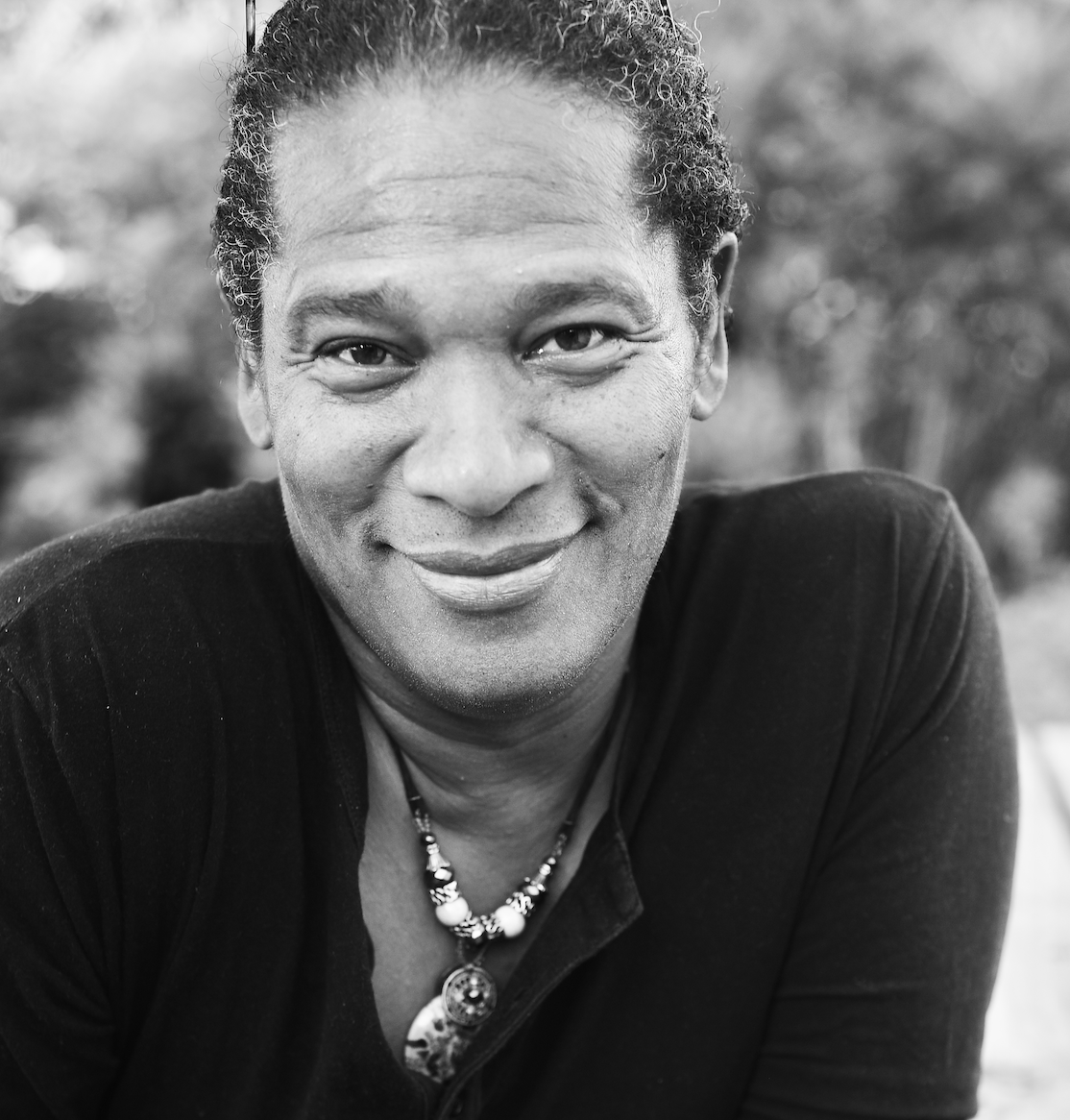
Georgio Sabino

Photo Credit by Robert Banks

With a Dash of Flair… Georgio Sabino III, Art, Education, and the Power of Telling Our Own Stories

The National Association of Black Journalists (NABJ) has long stood as a national and international yardstick for excellence in storytelling, truth-telling, and cultural accountability. Inspired by the NABJ Convention and Career Fair ethos, the “With a Dash of Flair . . .” project—developed in collaboration with the Cleveland Public Library (CPL), The People’s University, and Cleveland Digital—centers Black journalists, artists, historians, and cultural workers whose lived experiences shape Cleveland’s past, present, and future.

At the heart of this installment is Georgio Sabino III, an American artist, educator, photographer, and cultural documentarian, interviewed by Dr. Regennia N. Williams, Associate Curator of African American Community Partnerships, Programs, and Traveling Exhibitions and Distinguished Scholar of African American History and Culture at the Cleveland History Center of the Western Reserve Historical Society. The project was captured by Catherine Young, Cleveland Public Library Videographer, whose visual storytelling anchors the interview in both scholarship and accessibility.
(Video link included here in article)

As Dr. Nathan Carter once stated,

“I measure my work by what I think is a national, an international, yardstick.”

That philosophy resonates deeply throughout Sabino’s story—an artistic journey that refuses to play small, echoing the words of President Nelson Mandela:

“There is no passion to be found playing small— in settling for a life that is less than the one you are capable of living.”


Knowing Early: Art as Calling, Not a Hobby

Georgio Sabino III knew early—as early as 7th grade at Dominion Middle School—that he was an artist. This clarity was not accidental; it was instinctual. Art was not something he discovered later in life—it was something he recognized in himself.

His high school years were formative and complex. He spent some of his most joyful early years in Columbus at Whetstone High School, before relocating to Findlay High School, a move that proved unexpectedly transformative. Findlay offered one of the most comprehensive secondary arts programs in the region—spanning fashion design, interior design, jewelry making, alongside rigorous foundations in drawing, painting, ceramics, and design. That exposure reinforced Sabino’s belief that art was not only expressive—it was structural, intellectual, and professional.


Education as Foundation: Kent State, CWRU, and CIA

Sabino earned his Bachelor of Arts from Kent State University, an institution with deep historical ties to activism, design, and cultural inquiry. He later completed a dual master’s degree through a collaborative program between Case Western Reserve University (CWRU) and the Cleveland Institute of Art (CIA), focusing on Art Education.

His academic and professional work converged in a powerful body of work titled “Educational Genocide,” a series that critically examines systemic inequities in education—particularly how curriculum gaps, resource deprivation, and cultural erasure disproportionately impact Black and marginalized communities. The work is both visual and conceptual, combining research, symbolism, and lived experience.

As Jean-Michel Basquiat once asserted:

“Art is how we decorate space; music is how we decorate time.”

Sabino’s work does both—occupying space with intention while marking time with truth.
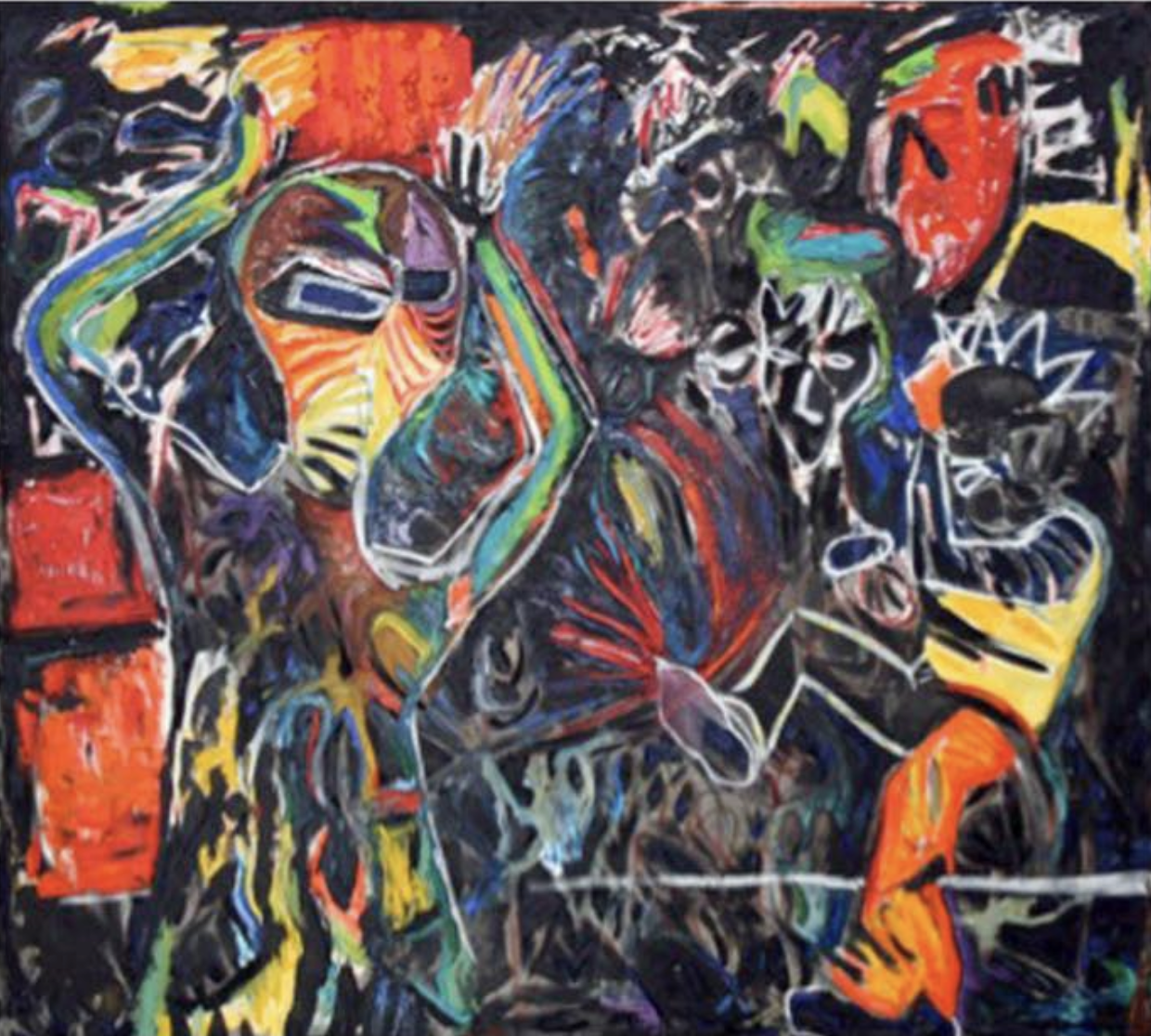
Educational Genocide Series

6’x6′ Oil Painting by Georgio Sabino III


From Fabric to Fashion: New York, SoulFire, and Early Recognition

For a brief but influential period, Sabino and business partner Richard Johnson II lived in New York City, where his clothing and designs were housed at SoulFire, a creative space curated by Lisa and Charles Woodward. During college, he hand-painted silk fabrics for fashion courses and showcased his work in fashion shows across New York and New Jersey—a period he describes as exciting, experimental, and formative.

These experiences expanded his understanding of art as interdisciplinary—where fine art, fashion, performance, and community intersect.
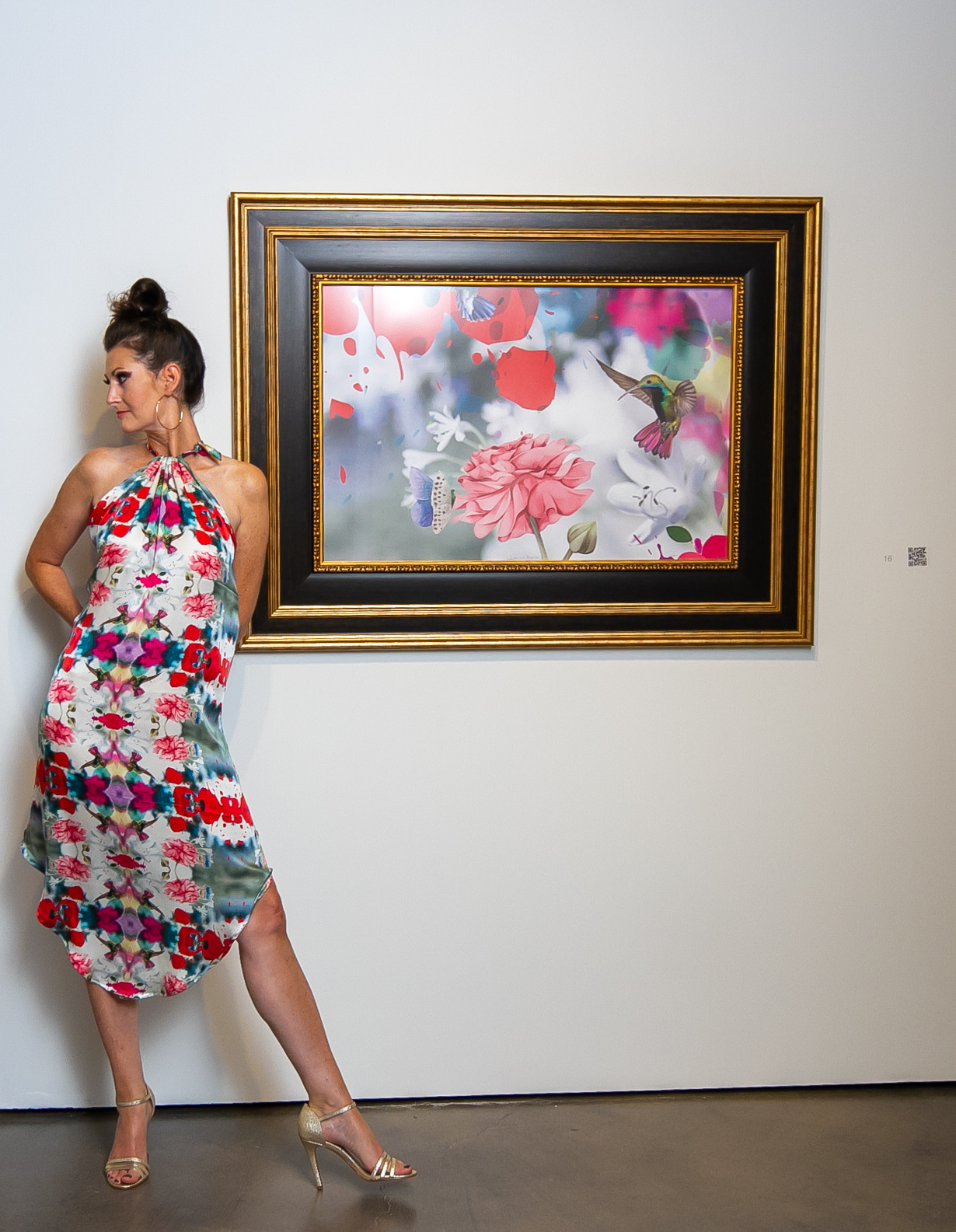
Model: Kerry Bihler, Georgio Sabino painted silk dress and painting

Returning to Cleveland: Tower Press and a City Buzzing

After returning to Cleveland, Sabino became part of a historic moment in the city’s arts revival. Under Mayor Michael R. White, he was among 20 artists awarded funding connected to a multi-million-dollar initiative to reinvigorate Cleveland’s cultural economy at Tower Press. The building became a creative epicenter, drawing tourists and residents every weekend.

Among the standout artists in the space were Hector Vega, Kathy Skerritt, and Bruce Conforti—figures whose work helped define the era. The city buzzed with exhibitions, conversations, and commerce—proof that investment in the arts yields cultural and economic returns.
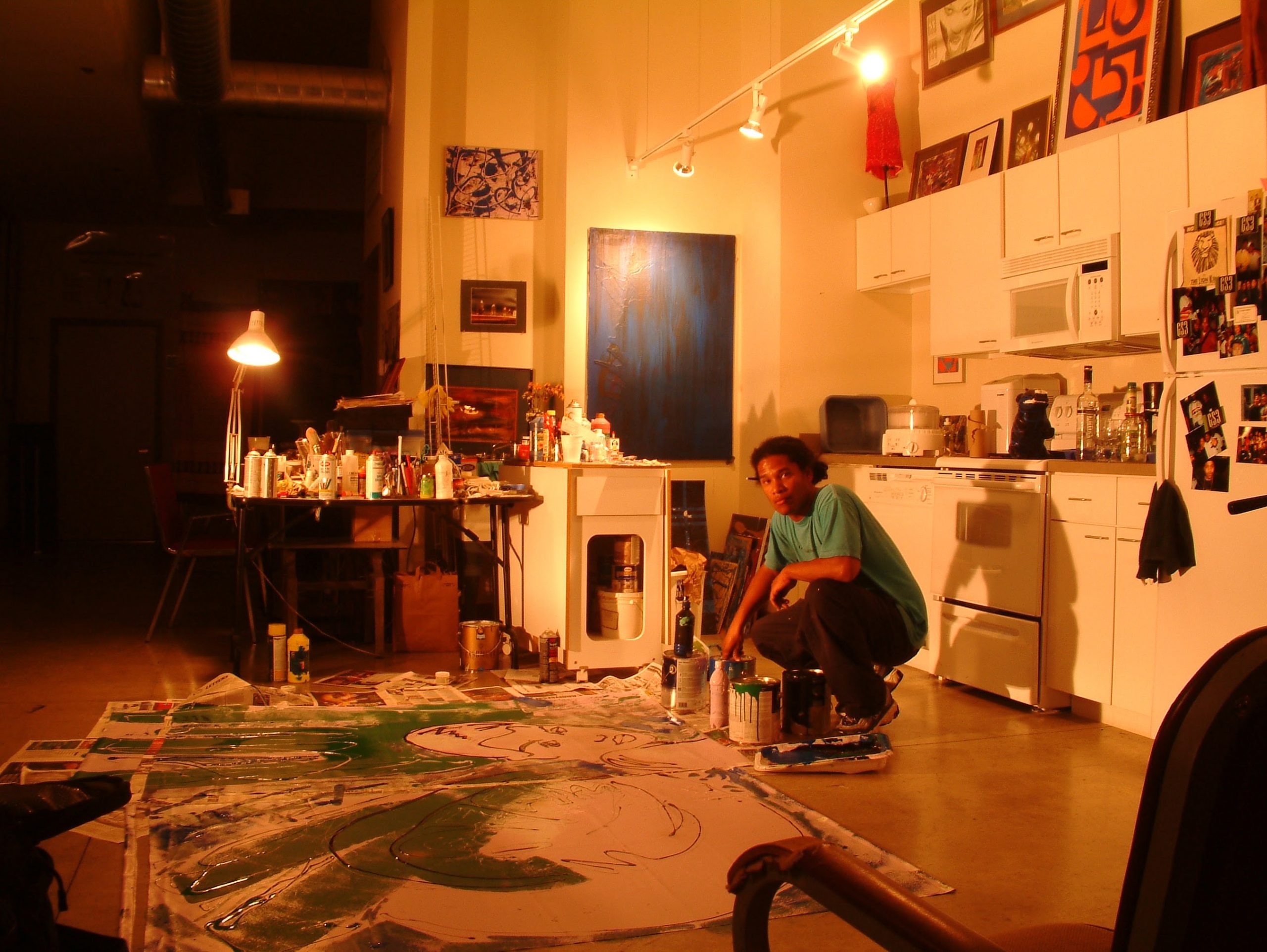
TowerPress Building, Cleveland Ohio Artist Georgio Sabino Art Studio
Towerpress

Picking Up the Camera: A Self-Taught Evolution

It was during this Cleveland renaissance that Sabino picked up a camera, teaching himself photography from the ground up. While art was innate, photography required technical mastery—timing, light, shutter speed, and aperture—skills he layered onto his deep understanding of composition, already honed through painting and design.

Influenced by John Isaac of National Geographic and guided by mentorship and friendship from Bern Webb, Sabino set a bold goal early: to shoot as if every image were a magazine cover. That discipline led to publication in iconic outlets such as JET and Ebony, and eventually to touring nationally with Grammy Award–winning artists.


History in Motion: Sports, the White House, and Presidential Recognition

Sabino’s lens later captured historic sports moments, including the Ohio State Buckeyes’ first College Football Playoff National Championship (2015) and the Cleveland Cavaliers’ NBA Championship (2016)—both teams later honored at the White House.

In a defining moment, Sabino directly asked the Obama Administration for access, stating:
“I am a small business, but I want to cover this big story.”

The request was granted—twice.

President Barack Obama personally signed Sabino’s artwork, recognizing his documentation of Obama’s journey from U.S. Senator through two presidential terms. Sabino has since published this body of work online, preserving it as both art and historical record.
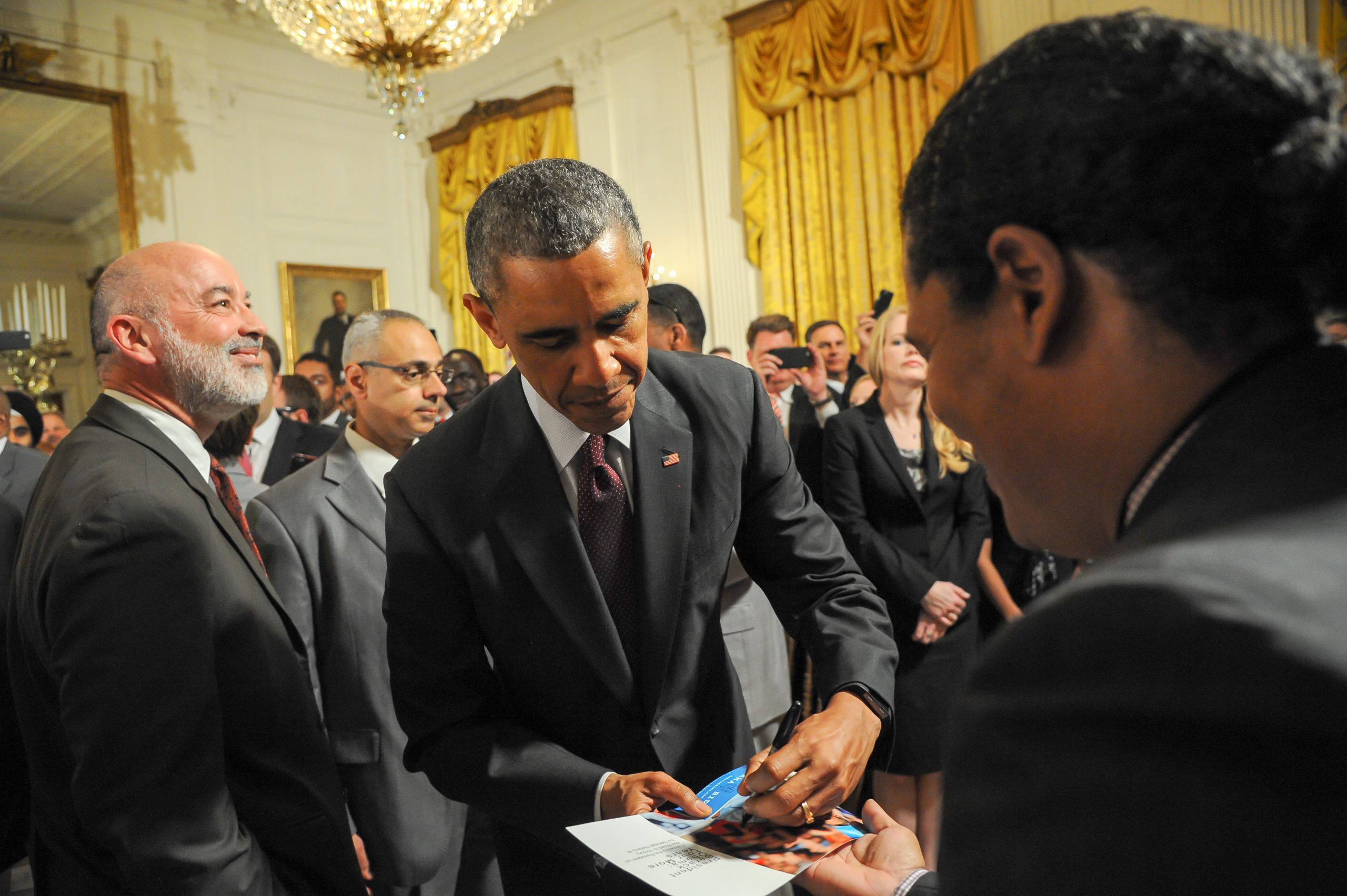
President Obama signing Georgio Sabino art-work in the White House
PRESIDENT OBAMA signs a Ohio State University Buckeyes football team poster for GEORGIO SABINO III in honor of the team winning the first ever College Football Playoff National Championship The event took place in the East Room of the White House by @RickyFitchett

A Global Artist, A Local Responsibility

From photographing fashion in Paris, to traveling and working in Tanzania, Sabino’s career spans continents—but remains grounded in community. As contemporary artist Kehinde Wiley has stated:

“The question is not who is allowed to speak, but who is believed.”

Projects like “With a Dash of Flair…” answer that question by centering Black voices as authorities of their own narratives.


Watch, Reflect, and Engage

There is far more to Georgio Sabino III’s story than one article can hold. This interview is an invitation—to watch, to listen, and to engage with the living history of Cleveland through journalism, art, and education.

Watch the interview. Share your thoughts. Join the conversation.

GS3 — An American Artist.
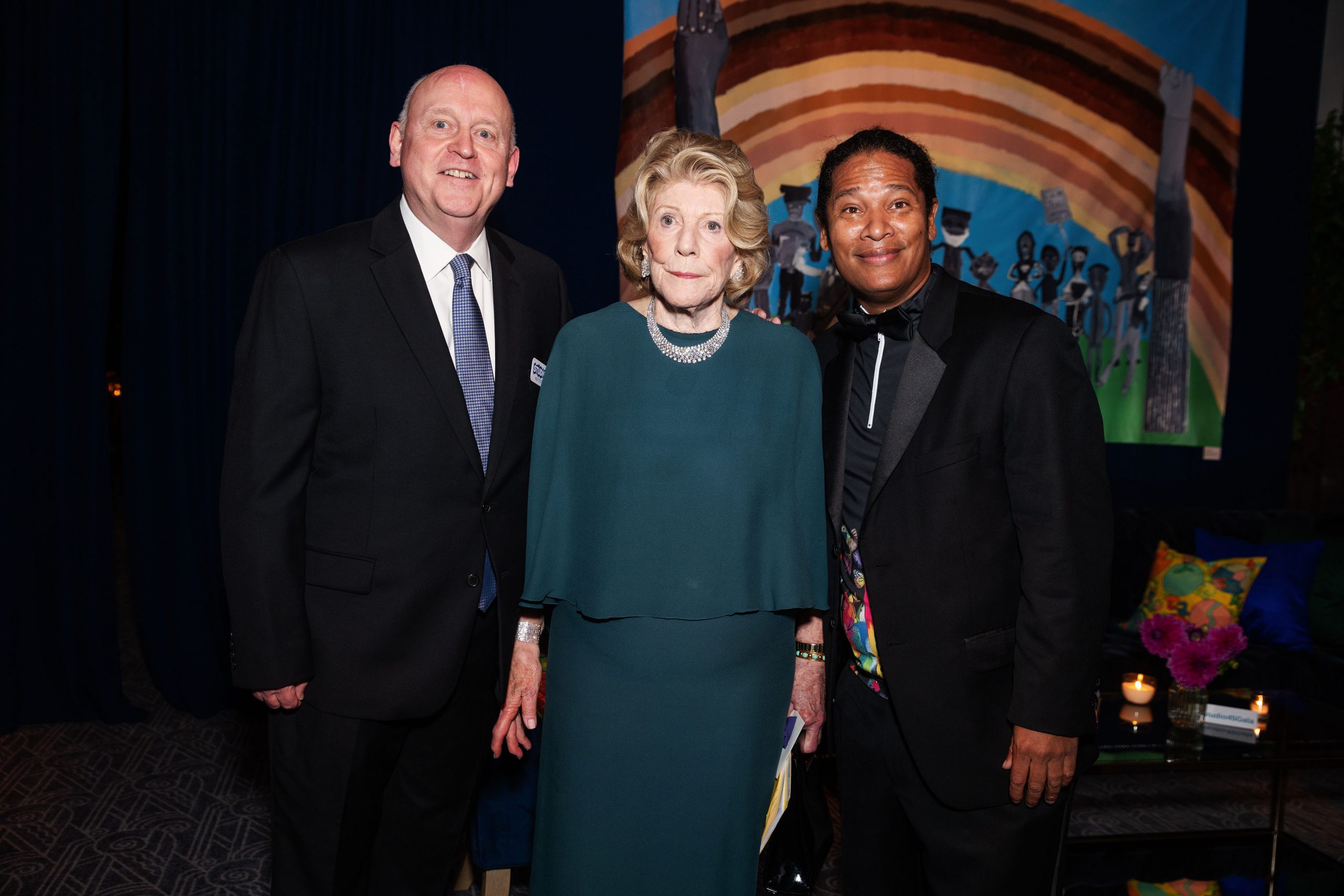
Right: Tom Cahill, Aggie Gund of the Gund Foundation, Left: Georgio Sabino at the Studio in a school 45th Gala in New York City.
Studio in a school 45th Gala

Right: Tom Cahill, Aggie Gund of the Gund Foundation, Left: Georgio Sabino at the Studio in a school 45th Gala in New York City.

Here is the movie The Joy of Arts Education: 45 Years of Studio in a School. Georgio has a movie to come out later from his reflection.
President Obama Honors the 2015 College Football Playoff National Champion Ohio State Buckeyes

President Obama signing photographs for Georgio Sabino

PRESIDENT OBAMA signs a Ohio State University Buckeyes football team poster for GEORGIO SABINO III in honor of the team winning the first ever College Football Playoff National Championship The event took place in the East Room of the White House


I remember the air before the speeches even began.

It felt lighter somehow—charged, electric, as if the country itself had leaned forward in its seat. During President Barack Obama’s campaign for the presidency, what I witnessed went far beyond politics. It was a collective emotional shift. People weren’t just attending rallies; they were arriving with hope in their hands. Strangers smiled at one another. Crowds were large, energetic, and fully present—cheering, chanting, holding signs high, believing that something historic was unfolding in real time.

As an artist and photographer, trained in aesthetics, composition, and visual storytelling, I’ve learned to read a room before I ever lift a camera. And these rooms—these streets, parks, and arenas—were filled with something rare. The mood of the country was changing. America was daring to imagine itself differently.

President Obama’s message of hope and change resonated deeply, especially in communities that had long felt unheard. His campaign brought a fresh air into politics—one that felt inclusive, intelligent, and human. The movement was powered not only by speeches, but by people. Grassroots organizing, social media, and community-driven momentum transformed supporters into participants. Everyone felt like they had a role in history.

I was there, camera in hand, documenting this evolution—from Senator to President, from possibility to reality.

Over the years, my lens followed that journey through both of President Obama’s terms. But nothing could have prepared me for the moments that followed—moments that still feel like an anomaly when I reflect on them.

I received two invitations to photograph inside the White House. One with my childhood heroes, The Ohio State Buckeyes, after winning the first-ever College Football Playoff National Championship. The other with my hometown champions, the Cleveland Cavaliers, following their historic NBA Championship victory.

To stand in the East Wing of the White House—with President Obama, the first Black President of the United States—while surrounded by the best of the best: elite coaches, world-class athletes, and championship teams at the absolute top of their game… all in the same moment, in the same place—was surreal.

For the Buckeyes, seeing figures like Urban Meyer, Ezekiel Elliott, Cardale Jones, Michael Thomas, and their teammates celebrated at the nation’s highest level felt like a full-circle moment from childhood dreams to living history.

Then, almost unbelievably, the following year the Cleveland Cavaliers did the impossible. LeBron James, Kyrie Irving, Kevin Love, and the rest of the Cavs brought Cleveland its long-awaited championship—ending a 52-year title drought. To witness and photograph that team, again at the White House, was another layer of awe stacked onto an already unbelievable journey.

And then—President Obama signed my photographs of himself.

That moment stopped time.

As an artist, having the President of the United States sign your work is more than an autograph. It is acknowledgment. Validation. Honor. It is the tangible recognition of vision, discipline, and years of showing up with integrity behind the lens. It symbolized not only his appreciation of my work, but his broader respect for the arts and the role artists play in documenting truth, culture, and history.

I stood there in amazement—thinking about the path from photographing a rising Senator, to witnessing a Presidency, to capturing my favorite teams achieving greatness, all intersecting in one extraordinary timeline. Coach. Players. President. Artist. One room. One moment.

An anomaly—by any definition.

And there I was, doing what I’ve always done: capturing the moment.

The crowd had been in awe of President Obama from the very beginning, and that awe never faded. It transformed into pride. Into belief. Into history.

These experiences didn’t just shape my career; they reshaped my understanding of what art can do. Art can witness. Art can preserve. Art can remind us—years later—of how it felt when a nation dared to hope together.

This is what I saw.
This is what I felt.
This is what I captured.

Georgio Sabino III (GS3)
Artist · Photographer · Visual Historian


GS3 Georgio Sabino III, PresidentObama, #WhiteHouse Professional Photographer Georgio Sabino III
The President Honors the 2015 College Football Playoff National Champion Ohio State Buckeyes, GS3 Georgio Sabino III, PresidentObama, #WhiteHouse, #GS3Photography, The President Honors the 2015 College Football Playoff National Champion Ohio State Buckeyes

Georgio Sabino III had the honor to photograph at the White House the Ohio State Buckeyes Football team. The President and Coach Urban Meyer celebrated and honored the first-ever College National Playoff Champions.

REMARKS BY THE PRESIDENT

HONORING THE 2014 COLLEGE FOOTBALL NATIONAL CHAMPION

OHIO STATE BUCKEYES

East Room

2:52 P.M. EDT

THE PRESIDENT:   O-H!

AUDIENCE:  I-O!

THE PRESIDENT:  O-H!

AUDIENCE:  I-O!

THE PRESIDENT:   O-H!

AUDIENCE:  I-O!  (Laughter.)

THE PRESIDENT:  That last one was a little weak there.  Everybody, please have a seat.  Welcome to the White House.  And give it up for the 2014 college football National Champions, The Ohio State Buckeyes!  (Applause.)

You may have noticed we have a lot of Buckeye fans here today, including some members of Congress.  Representative Joyce Beatty was once a leader in the OSU community, and now she represents the OSU community here in Congress.

I want to thank The Ohio State University President, Michael Drake, who is here; Athletic Director, Gene Smith; and of course, Coach Urban Meyer.  (Applause.)  So this is Ohio State Football’s eighth National Championship.  It’s Coach Meyer’s third time winning it all, with his second team, which is pretty impressive.  I’ve only done it twice.  (Laughter.)  And for the same team both times.  (Laughter.)

This was an historic year in college football.  The country got to enjoy its first-ever College Football Playoffs.  And I will say it — it was about time.  I cannot claim full credit — (laughter) — I will point out that I pushed for a playoff system in 2008.  (Laughter.)  I’d say I threw my weight around.  PolitiFact, which keeps track of whether politicians keep their promises — this is a promise kept by me.  (Laughter.)  So you’re welcome, America.  It was a great playoffs.  (Laughter.)

It was an exciting season from start to finish.  And to say that Ohio State’s path to the title felt improbable at times would be an understatement.

At one point last year, the Buckeyes were ranked as low as 23rd in the nation.  But they kept on battling back -– with the help of not one, not two, but three quarterbacks.  First, they lost Braxton Miller, a Heisman contender, before the season even started.  Then J.T. Barrett, the Big Ten Quarterback of the Year, steps in, has an extraordinary run, but then breaks his ankle against a certain team up north — I guess I’m not allowed to — (laughter and applause.)    And then we learned that Cardale Jones is not your average third-string quarterback.  (Laughter.)  Anybody with a nickname like “Twelve-Gauge” has to be taken seriously.  (Laughter.)  I told him that I could throw a football 75 yards also, but he didn’t believe me.  (Laughter.)  So he clearly is a smart kid.  (Laughter.)

But the Buckeyes hit their stride when it mattered most.  They pitched a 59-0 shutout in the Big Ten Championship, earning their way into the final playoff spot.  They beat top-ranked Alabama in the first round, then rolled up a decisive win against the Oregon Ducks for the National Championship.

At critical moments throughout the season, we learned about the character of this football team.  And we met the characters who made up this football team along the way.

Like Joey Bosa — Big Ten Defensive Player of the Year.  Joey — where’s Joey?  (Applause.)  A consensus All-American.  He led the conference in sacks in 2014, including the one that ended the double-overtime game against Penn State.  He followed each one up with his signature celebration -– a shrug.  (Laughter and applause.)  I use that move sometimes.  (Laughter.)  Now, Joey’s hair may be short now — and he looks good.  I actually like it shorter.

  1. BOSA:  That would be for you.

THE PRESIDENT:  See, I appreciate that.  (Laughter.)  But he assures us that the shrug would be back next year.  (Laughter.)

Wide receiver, Evan Spencer was named team MVP in 2014 for his selfless play, great blocking, and even a perfectly thrown touchdown pass to Michael Thomas in the Sugar Bowl.  Evan, go ahead and wave.  (Applause.)  And in addition to rushing for over 1,800 yards behind an extraordinary offensive line — as good as we’ve seen in a very long time — and earning the championship game MVP, Ezekiel Elliott made the NCAA fashion police take a close look at their midriff policies.  (Laughter.)  Where’s Zeke?  (Applause.)  Thanks for tucking in your shirt today.  We appreciate that.  (Laughter.)

He said I needed to get the rule changed — did you see that?  (Laughter.)  Look, I already got the playoff, all right? (Laughter.)  I’ve got other stuff to do now.  (Laughter.)

But in all seriousness, this was a team of true character, of true resilience.  As I said to them when I had a chance to shake the hands of all the players, everybody is going to go through ups and downs in life, and how folks handle it, how the quarterbacks on this team supported each other, that’s what every organization wants to see — is people stepping up for each other.  And not only did they do it on the field; they made Ohio proud off the field.  Each year, the Buckeyes pay forward their good fortune with more than 1,000 hours of community service and charitable efforts in Central Ohio.  Visiting young patients in hospitals.  Helping second graders improve their reading.  Building playgrounds.  Supporting the Special Olympics.  Stocking shelves for the Mid-Ohio Foodbank.

So the love between this team and their community is mutual.  I will say when you get 100,000 fans to show up to a practice — (laughter) — I think it’s fair to say that your fans are a little crazy.  (Laughter.)  But obviously it’s working for them and it’s working for this extraordinary team.

So, Coach Meyer, congratulations to you and The Ohio State University for your National Championship.  Good luck this season coming up.  (Applause.)

📸