A Press Badge Without a Newsroom
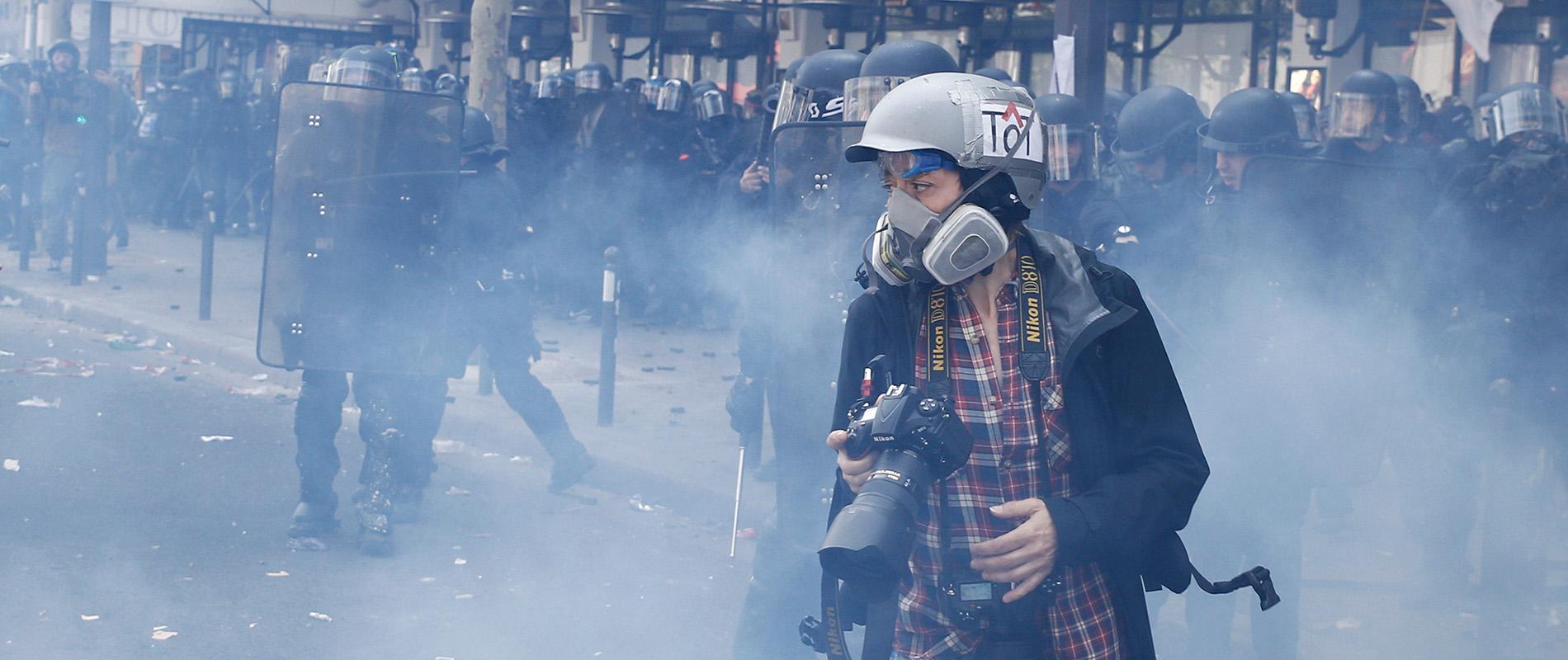
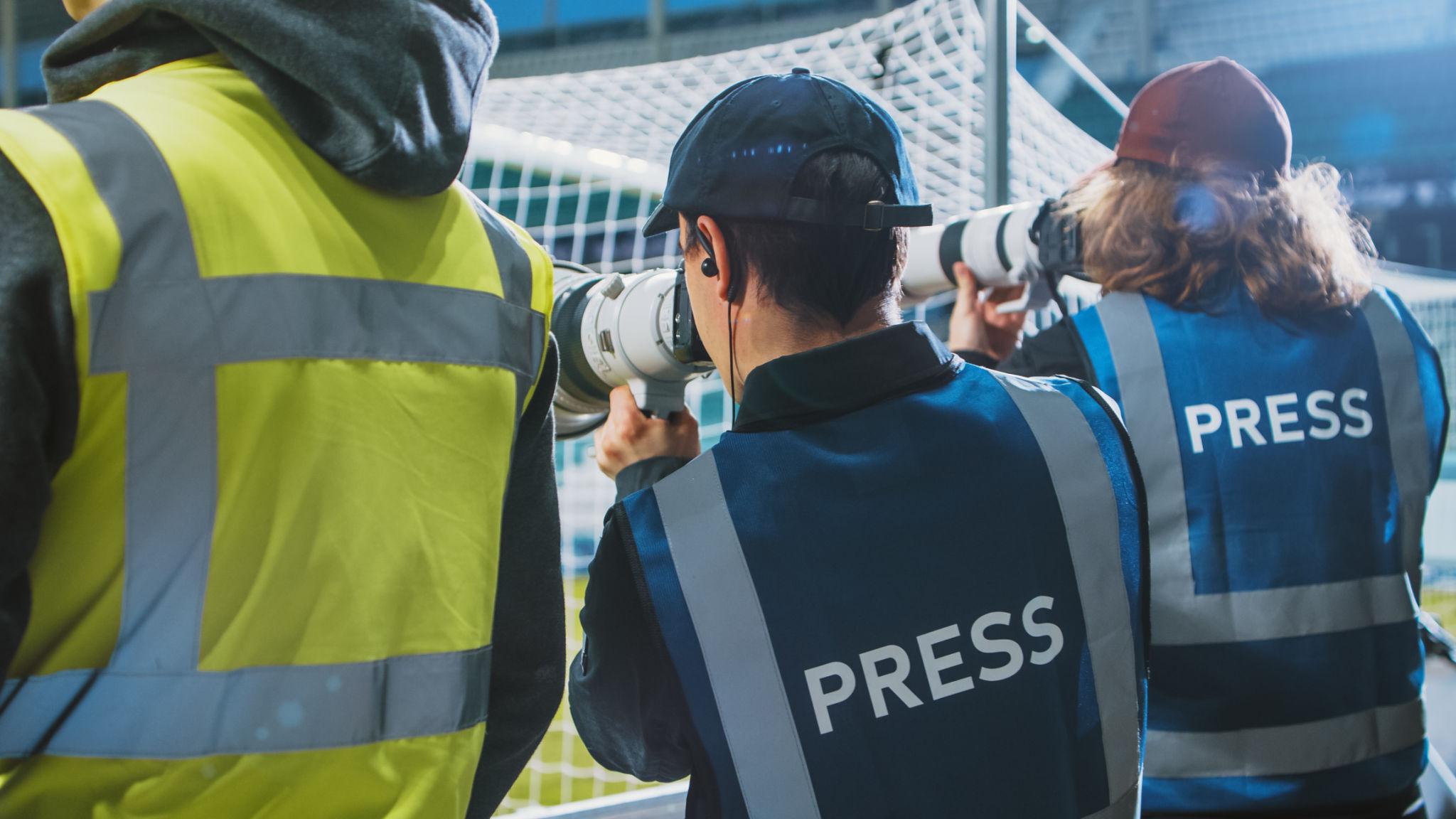
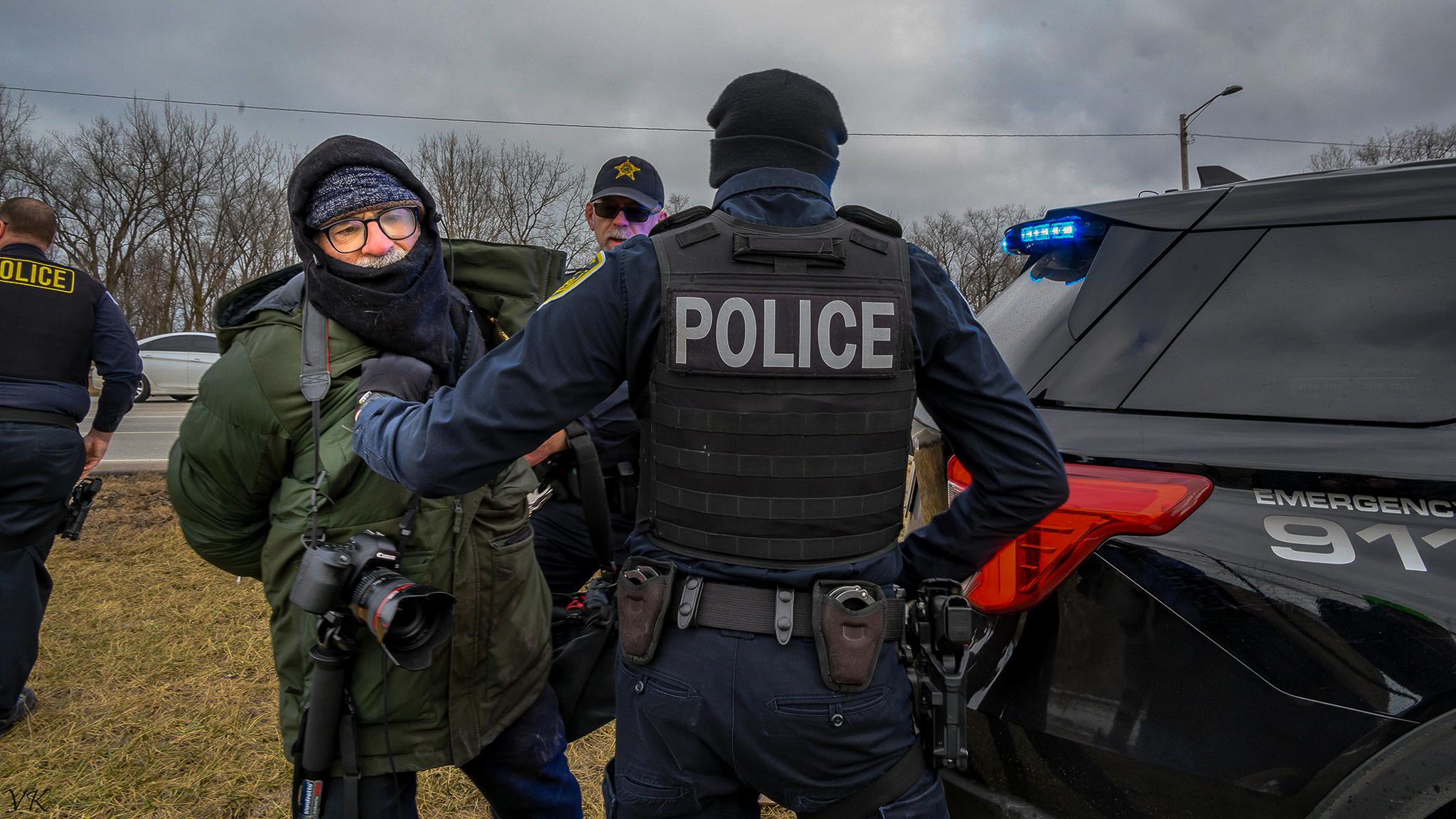
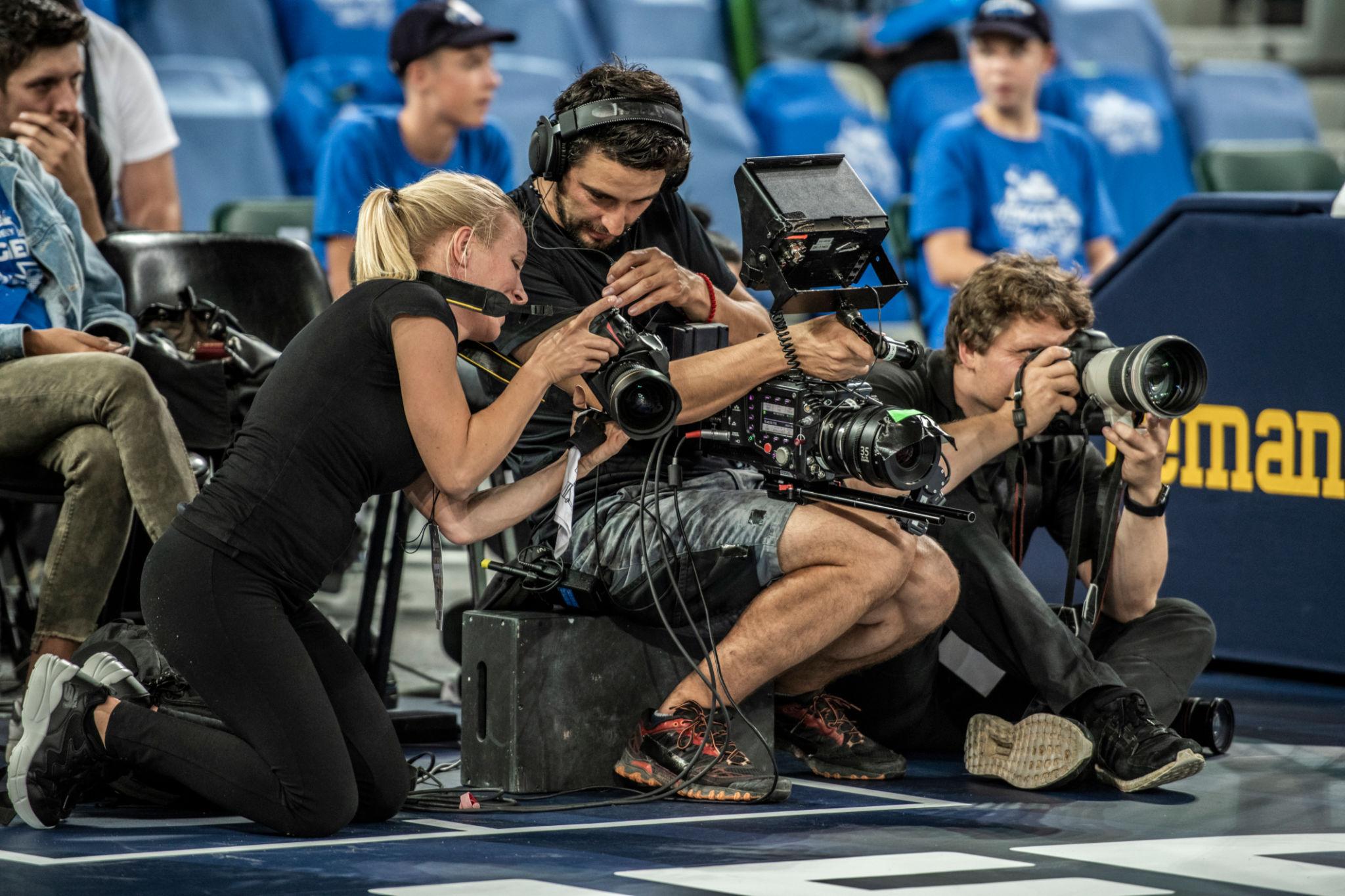
In an era when the definition of “the press” is being renegotiated in courtrooms, on social platforms, and in the streets, a quiet but persistent question lingers: Who gets to document history—and who gets believed?
For GS3 Photography, a Cleveland-based small business founded in 2000, the answer has never waited for institutional permission. It has been asserted, frame by frame, across two and a half decades of American and global life—wars and elections, championships and protests, runways and classrooms.
“We are the press,” says Georgio Sabino III, photographer, writer, and one of the core members of the GS3 team. “Not because someone handed us a title—but because we’ve done the work, consistently, in places where history is happening.”
The Long Arc of Independent Coverage
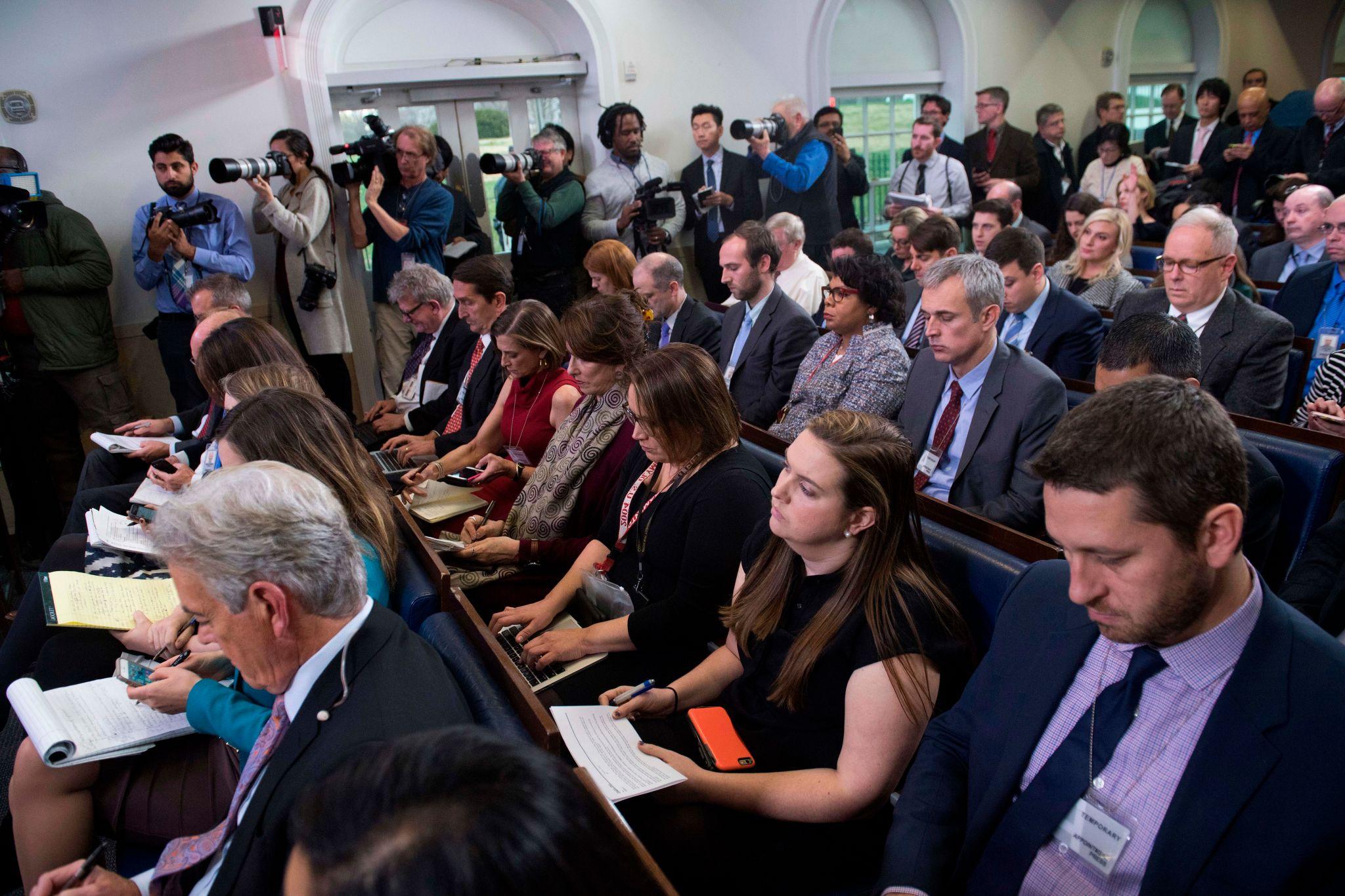


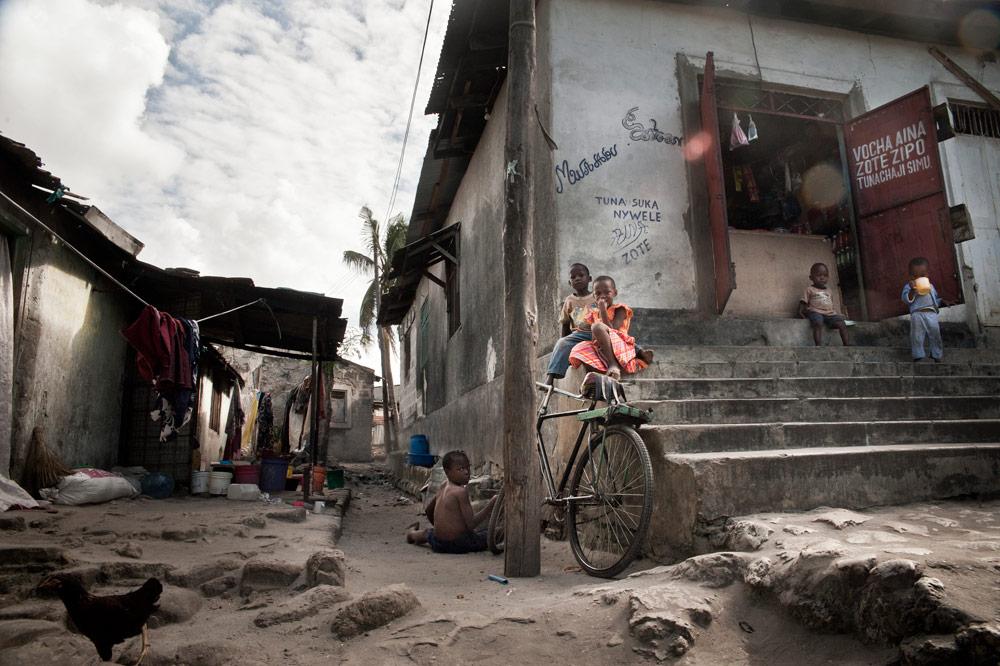
Since its founding, GS3 has built an archive that mirrors the fragmentation—and urgency—of modern journalism:
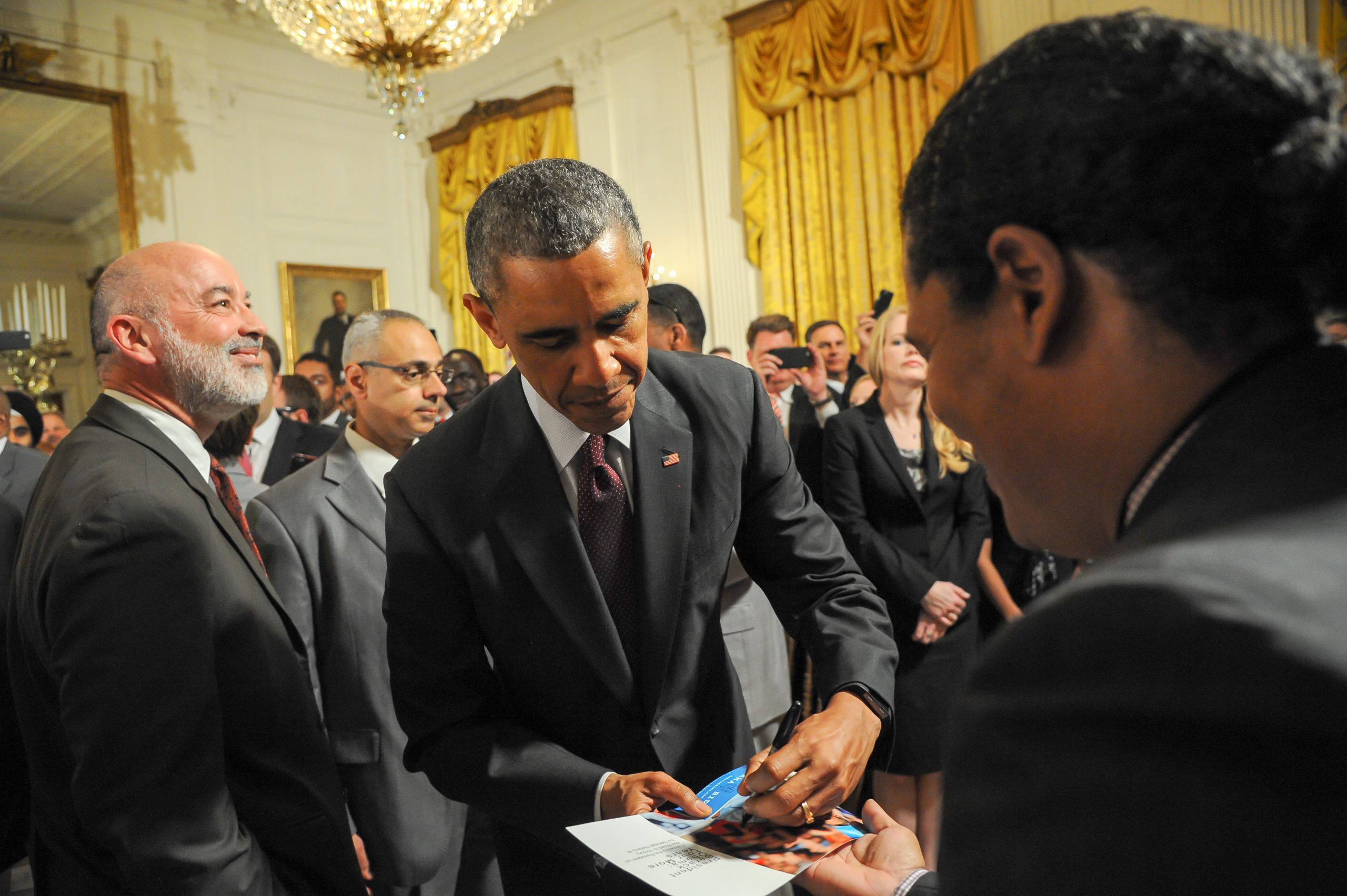
- Five U.S. presidents documented across administrations
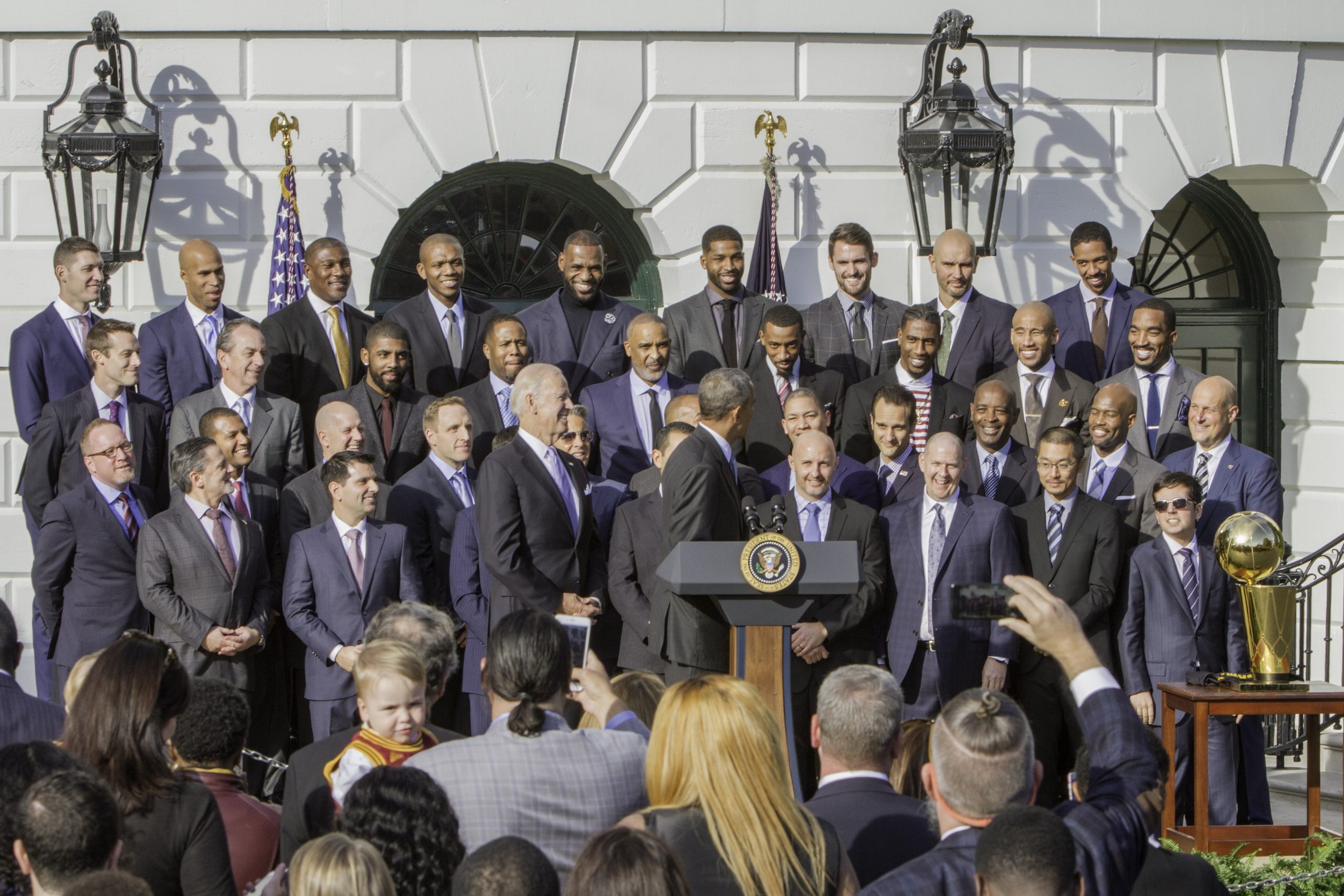
- Coverage inside and around the White House and the Congressional Black Caucus in Washington, D.C.
- International assignments in Paris and Tanzania
- National coverage from New York City to San Diego, San Francisco, Miami, and Pascagoula
- Regional reporting rooted in Ohio—from policy debates to community events
But unlike legacy outlets, GS3 operates without a sprawling newsroom or corporate backing. It is, in Sabino’s words, “a small business covering big events.”
That positioning—nimble yet exposed—places GS3 at the fault line of a shifting media ecosystem, where independent journalists often have access but not always protection.
The Datafied Gaze: AI, Surveillance, and the Camera

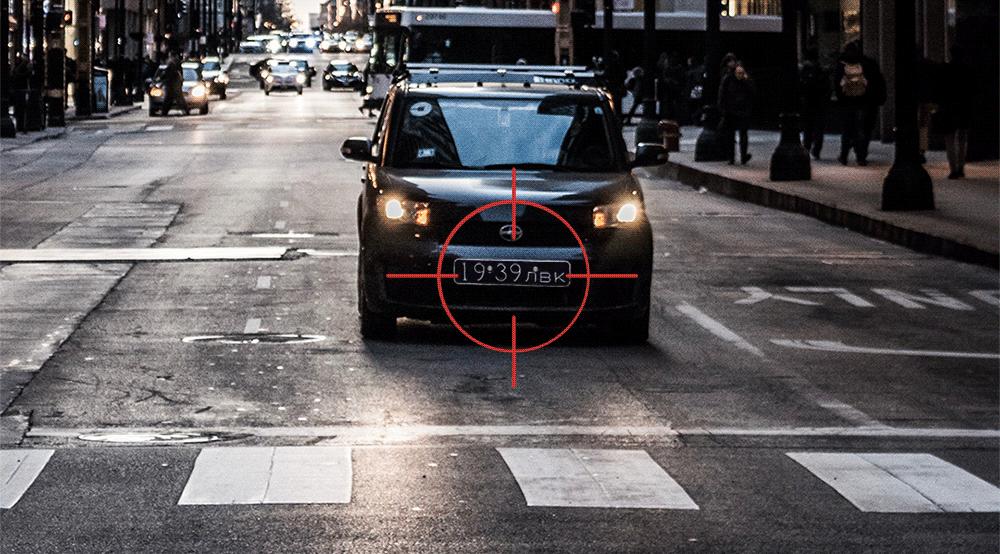
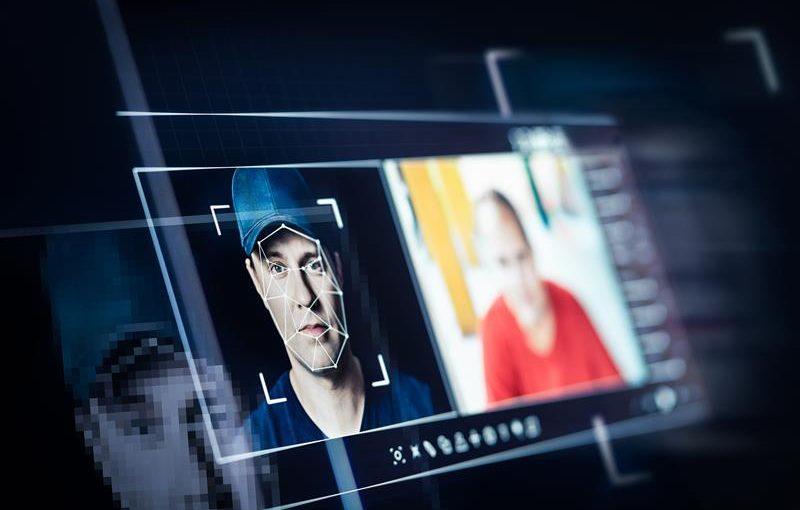
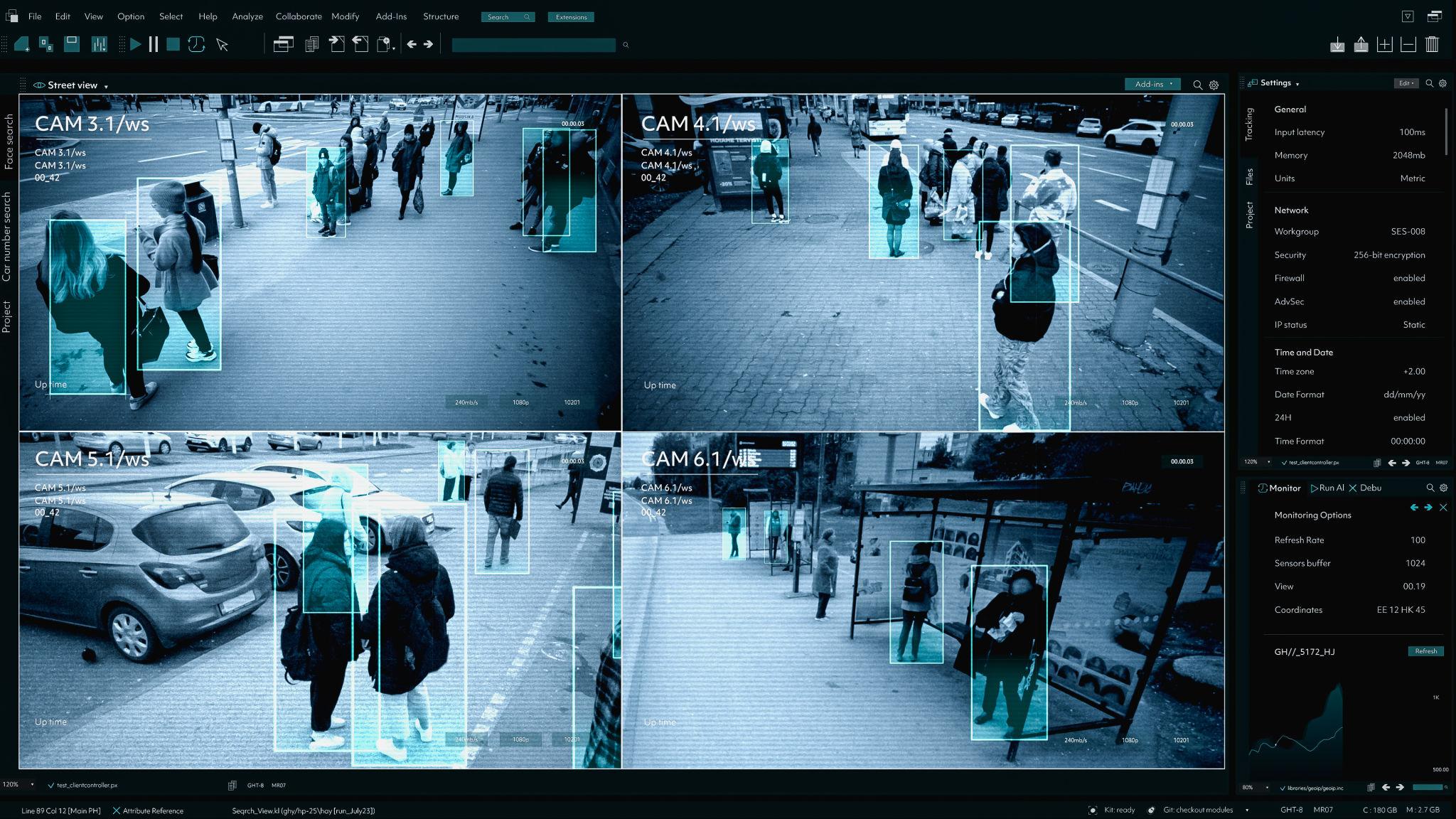
Across the United States, law enforcement agencies are rapidly integrating AI-driven tools—facial recognition, license plate readers, predictive analytics—into everyday policing. Cleveland, like many cities, has expanded its surveillance footprint in the name of public safety.
Yet for independent media organizations like GS3, these technologies introduce a paradox:
- The same systems that monitor crime can also capture journalists
- Algorithms trained on biased datasets risk misidentifying people of color, raising civil liberties concerns
- Footage that once belonged to the photographer can now be subpoenaed, scraped, or algorithmically analyzed
Studies have repeatedly shown that facial recognition systems can have error rates up to 10–100 times higher for darker-skinned individuals, depending on the dataset and model used. In the context of protests or political events, this disparity is not theoretical—it can shape who is flagged, questioned, or detained.
For GS3, whose work often centers Black, Latino, and multicultural communities, the stakes are immediate.
“Your camera used to be your protection,” Sabino notes. “Now, it can also make you visible in ways you can’t control.”
Courts, Credibility, and the Question of Evidence



The judicial system is also evolving. AI-assisted tools are now used in:
- Pretrial risk assessments
- Sentencing recommendations
- Digital evidence analysis
At the same time, visual media—photos, video, livestreams—has become central to legal narratives. Independent footage captured by organizations like GS3 can move from social documentation to courtroom evidence overnight.
But this transition raises critical questions:
- Who verifies the authenticity of digital images in an era of deepfakes?
- How do courts weigh independent journalism against official police footage?
- What protections exist for journalists whose work is compelled as evidence?
Legal scholars warn that without standardized frameworks, the justice system risks amplifying existing inequities—particularly when AI tools lack transparency.
For GS3, the camera is not just a storytelling device. It is, increasingly, a participant in legal processes.
Sidelines and Statehouses: A Spectrum of Access
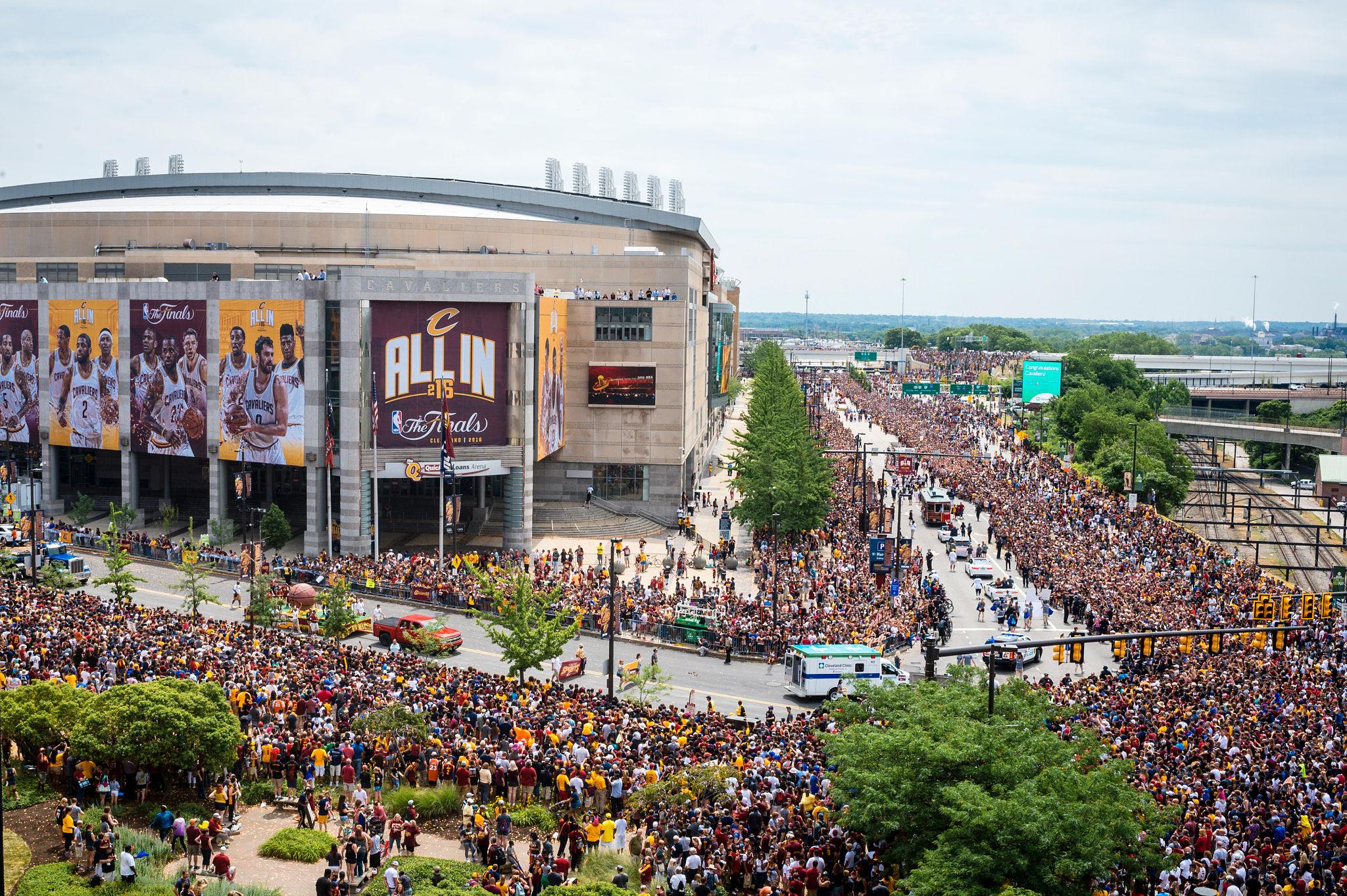

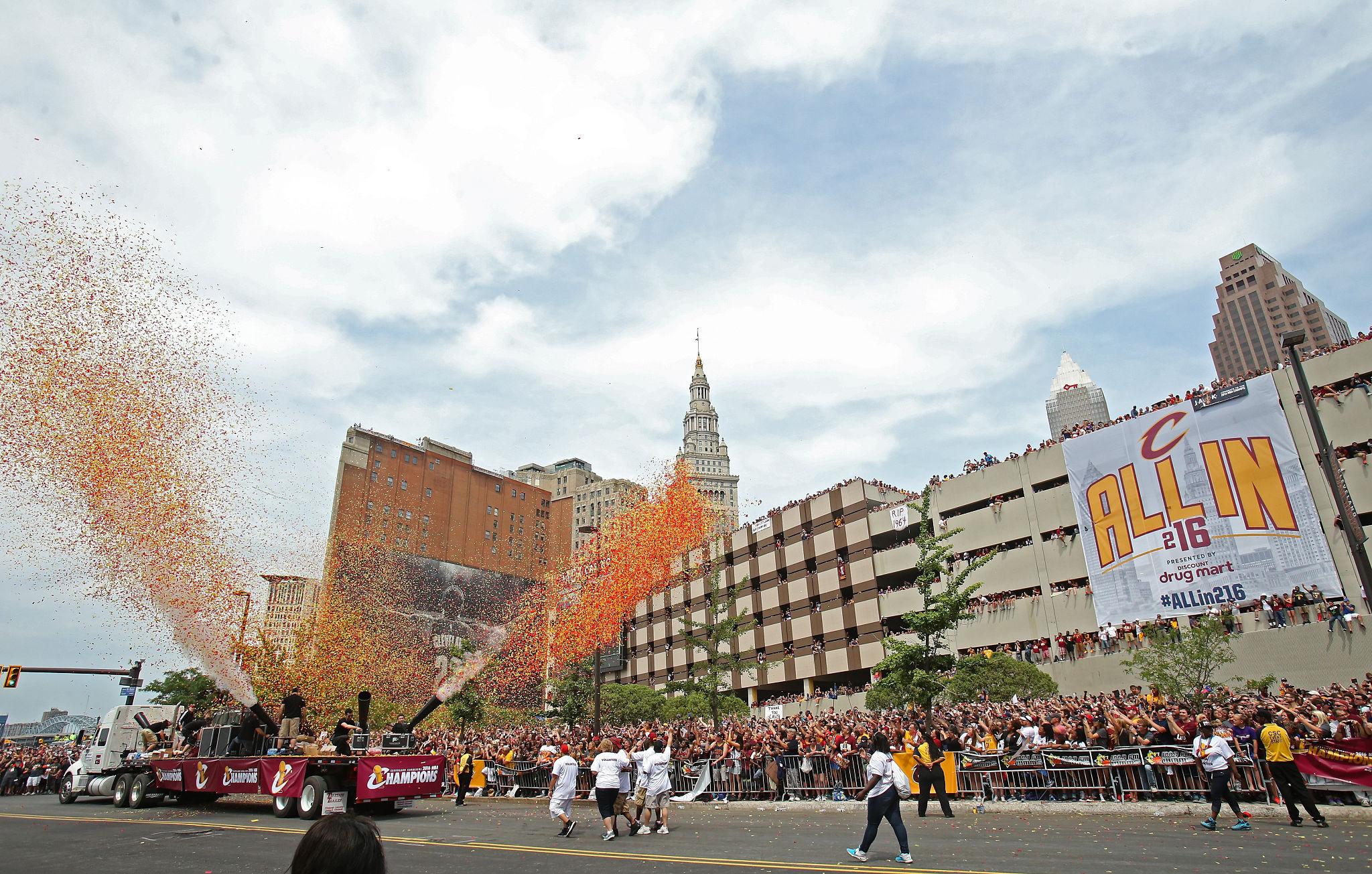
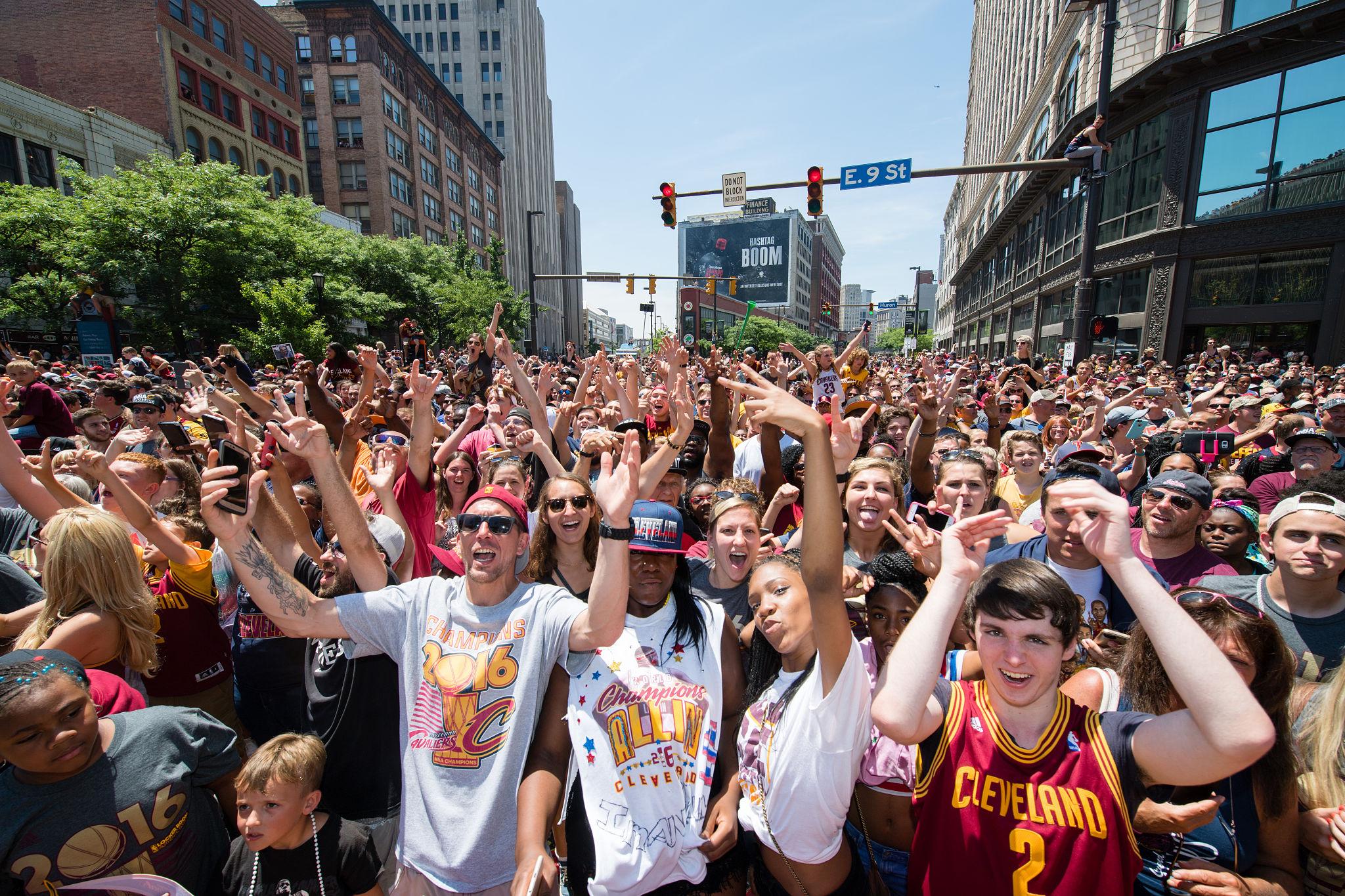
GS3’s reach is unusually broad for a small operation:
- Courtside at Cleveland Cavaliers championship moments
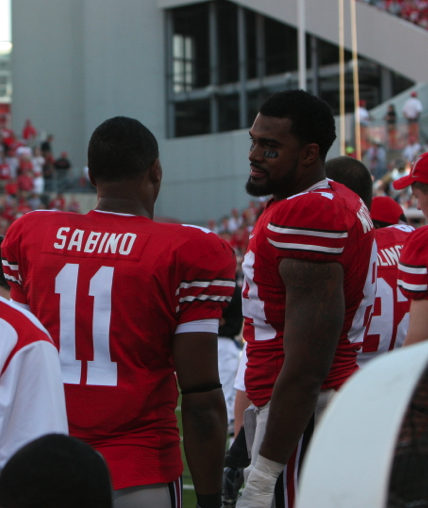
- On the field and in the stands with Ohio State Buckeyes fans
- Behind the scenes in fashion spaces where culture is negotiated through fabric and form
- Inside political gatherings where policy meets lived experience
This range is not incidental—it reflects a philosophy that news is not confined to crisis. Culture, sport, and art are part of the same civic fabric as legislation and protest.
“People think news is just politics,” Sabino says. “But fashion tells you who’s being seen. Sports tell you who’s being celebrated. Art tells you who’s being heard.”
Civil Rights in the Age of Algorithms
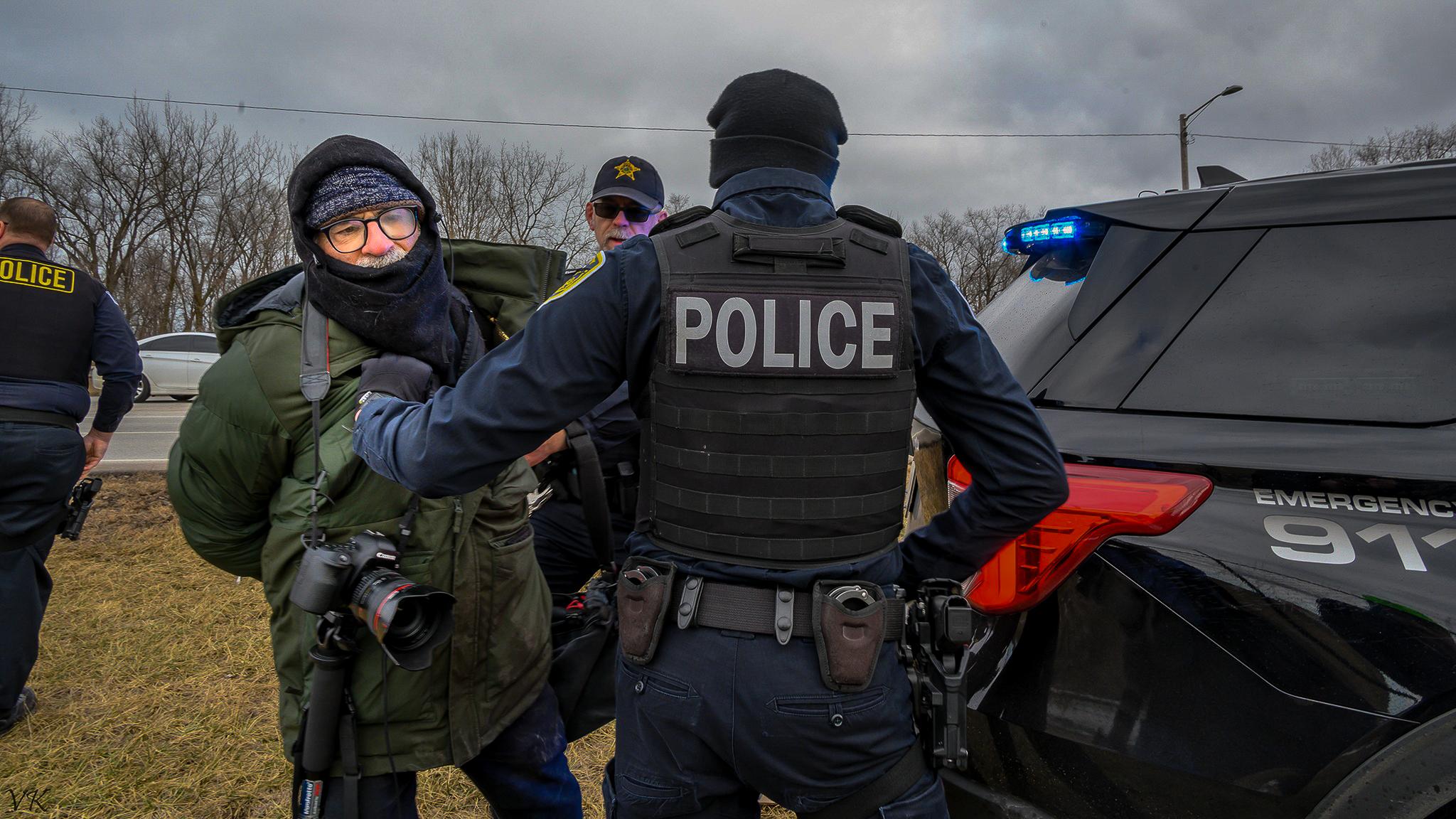

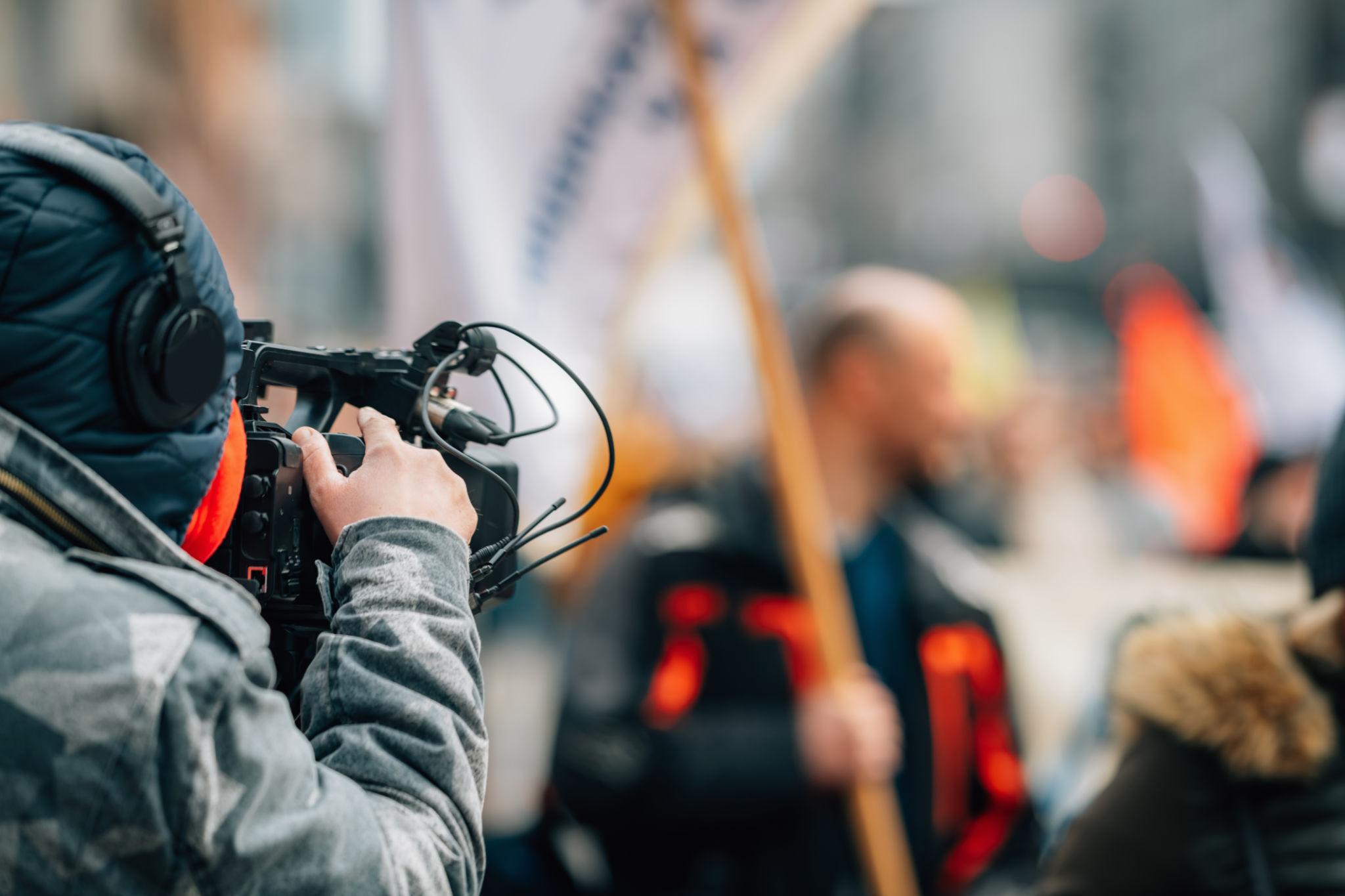
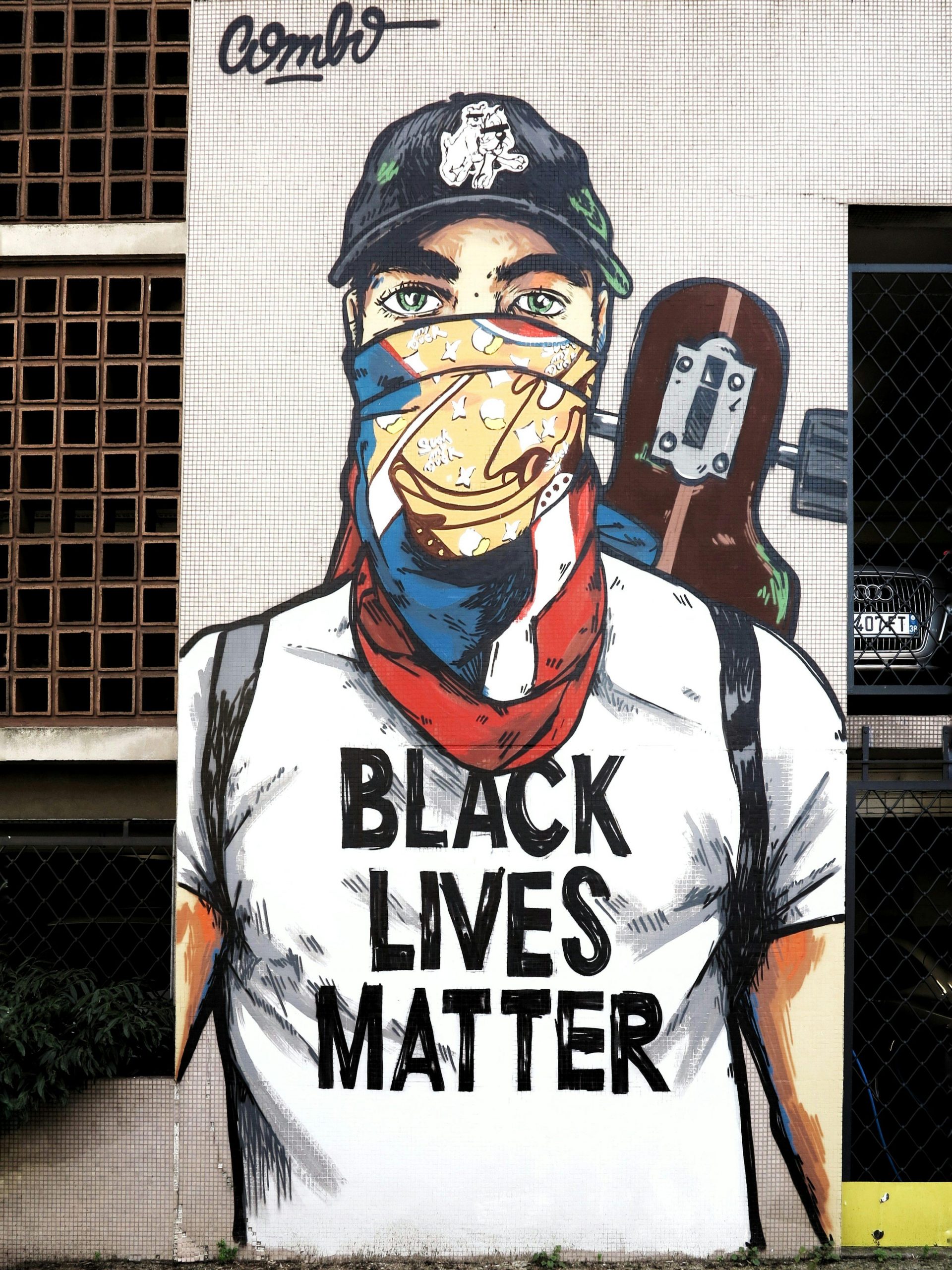
From civil rights marches to grassroots community events, GS3 has consistently documented movements that larger outlets sometimes overlook.
That work now intersects with a new frontier: algorithmic civil rights.
Advocates argue that AI systems used in policing and justice must be audited for bias, transparency, and accountability. Without such safeguards, technology risks reinforcing the very inequities it claims to solve.
Independent media plays a critical role here:
- Capturing on-the-ground realities that data alone cannot convey
- Providing counter-narratives to official accounts
- Preserving a visual record that may later inform policy, litigation, or public understanding
GS3’s archive—spanning decades of multicultural life—becomes, in this sense, a form of civic infrastructure.
“We Have the Right to Be Here”
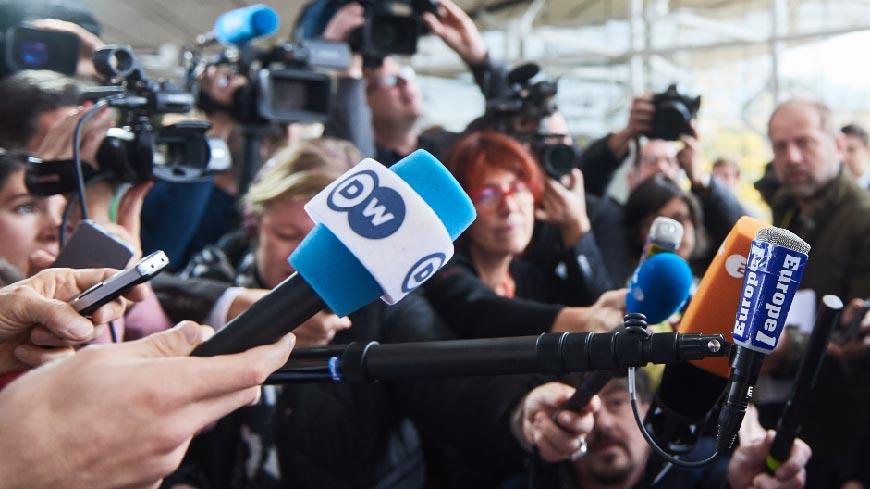
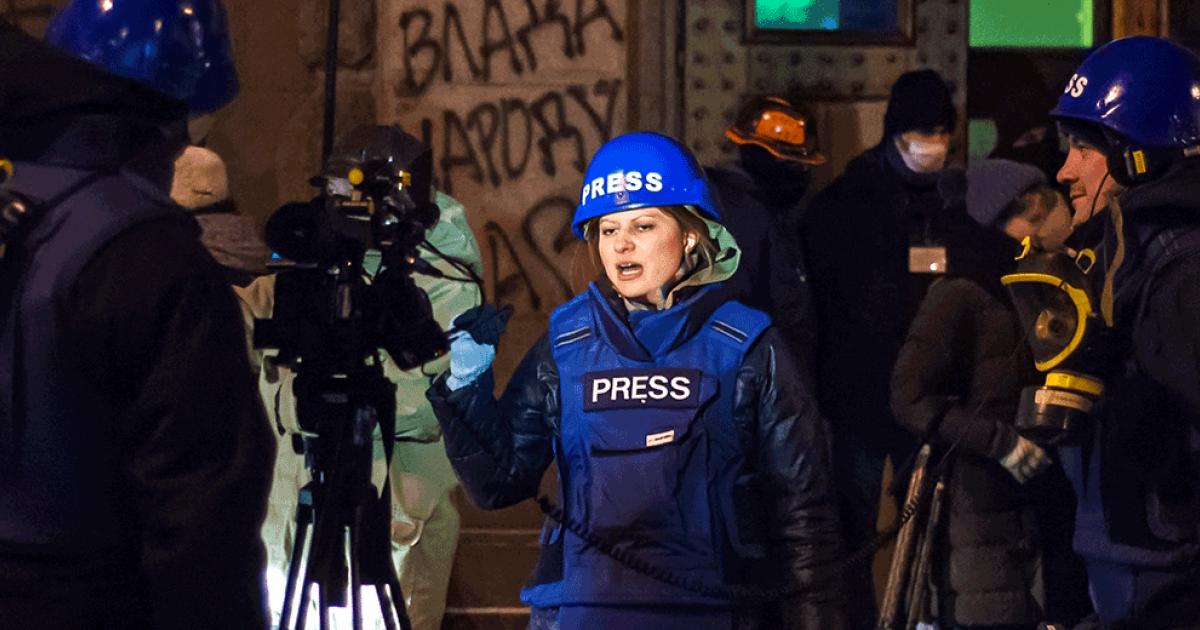

The First Amendment protections afforded to the press do not distinguish between multinational newsrooms and small, independent operations. But in practice, access and recognition often do.
GS3 operates in that gap—credentialed in some spaces, questioned in others, but persistent everywhere.
- A small business with a global footprint
- A local lens with international reach
- A team grounded in community but present in corridors of power
Their website—**www.GS3.us**—serves not just as a portfolio, but as a living archive of where they’ve been and what they’ve witnessed.
“We’ve been honored to stand at the White House, to document in Paris, to walk streets in Tanzania,” Sabino reflects. “But the real honor is being trusted to tell the story—whether it’s a president or a kid in Cleveland.”
The Future: Press, Platform, and Power
As AI reshapes policing and the courts redefine evidence, the role of independent media is becoming both more precarious and more essential.
Organizations like GS3 sit at a critical intersection:
- Witnesses to events
- Producers of visual truth
- Participants in legal and technological systems they did not design
The challenge ahead is not just access—but protection, recognition, and equity in a system increasingly mediated by algorithms.
In that landscape, GS3’s mission remains disarmingly simple:
Show up. Document. Tell the truth.
A small business, covering big events—insisting, with every image, that history does not belong only to those with the largest platforms, but to those willing to see it clearly and share it widely.