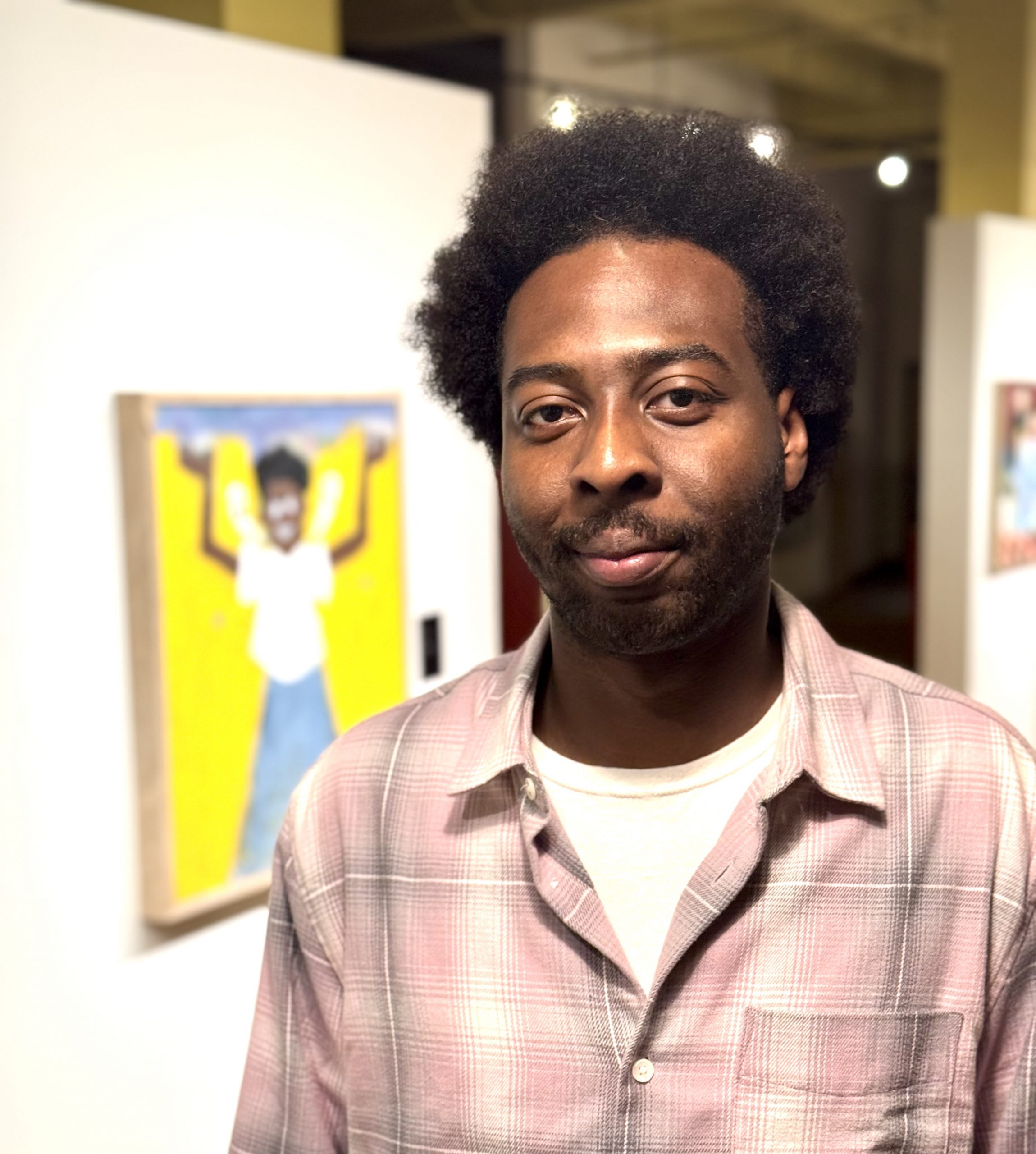
Author Archives: Georgio Sabino III

About Georgio Sabino III

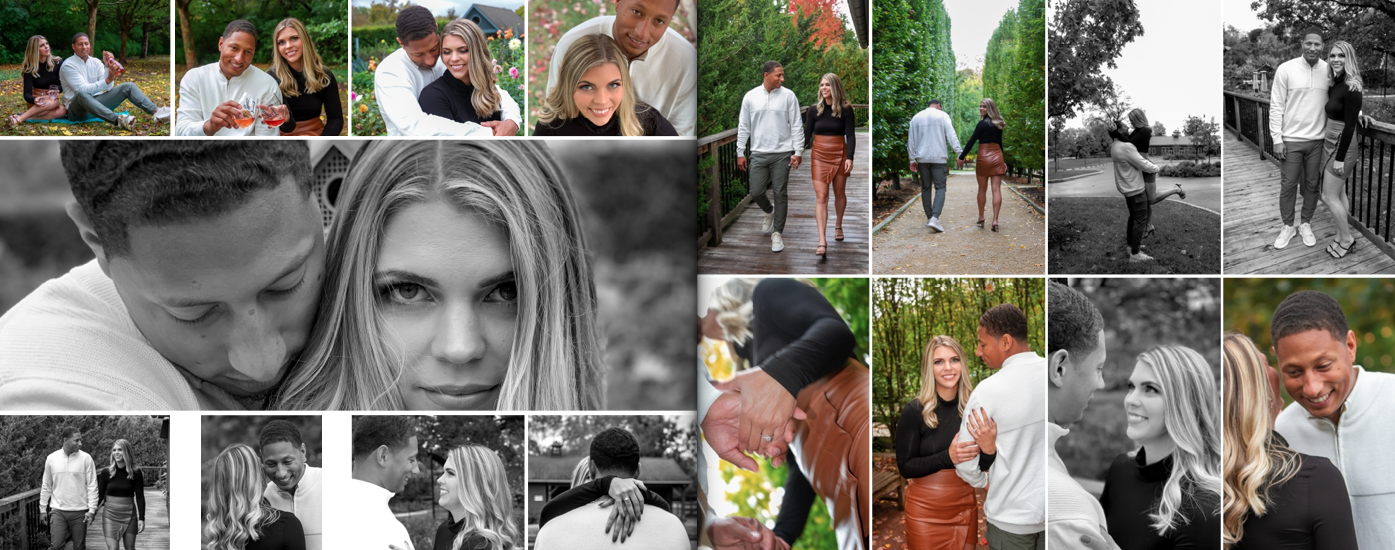
GS3 Worldwide The GS3 Team is a multi-media design firm that individually designs personal sessions and packages for weddings, corporate, fashion and family photography, and other multi-media art for private and corporate collections. Company Overview GS3 Street Team is a next-generation web-based advertising firm that serves the emerging music entertainment/night club market for events promotion and direct marketing. Located worldwide, we have ready access to the sharpest interns and recent graduates from several universities. Our advertising and promotional campaigns appeal to the local night club/concert market segment. By offering several quality options, we meet the primary needs of three market segments, with additional options for customers transitioning between market segments. In 2007, founder Georgio Sabino III and Team has recognized the opportunity to provide efficient and cost-effective advertisement and promotional marketing services to the local night club/concert industry with few online sources available to meet the needs of the local entertainment industry. Recent changes in the geographic and economic environment have increased the demand for advertisement and promotional marketing services which make it extremely appealing for our prospective clients to reach out through e-commerce and web-based marketing. The GS3 Team sees this as a prime opportunity to apply his business interests and experience to yield high potential profits and work in the area of his greatest passion. Description GS3 art, fashion, and photography team has worked with celebrities, professional athletes, and prominent members of the political, religious and entertainment communities and the community at-large. Mission We, the GS3 team engages as a partner-focused, collaborative approach for those who employ the firm's services, working with a team of beauty, fashion and corporate image experts, to create results that are custom tailored for each individual, family or company. It’s our pleasure to photograph your event weather it’s a weddings, birthdays, anniversaries, showers, gala gatherings, and corporate events we will capture your special moments in the atmosphere as exciting as your occasion and highlight the all the characteristics. -- The GS3 Team How can I add value? * Your professional and personal image will be heightened by the eye and skills of the GS3 team. #GS3Photography, @GS3Photography, #GS3Photography, GS3 Photography, Georgio Sabino III, Wedding Photographer, Wedding Photography, Hire Photographer, Event Photographer, Quality Photographer, Best Photographer Ever!, Affordable, Engagements, Bride & Groom, Family Sessions, www.GS3.us

Cleveland’s Orville Brown Rides the Year of the Horse: A Story of Shadows, Strange Grace, and Finding Passion on the Other Side of Fear

By Sabino, Elite Art News

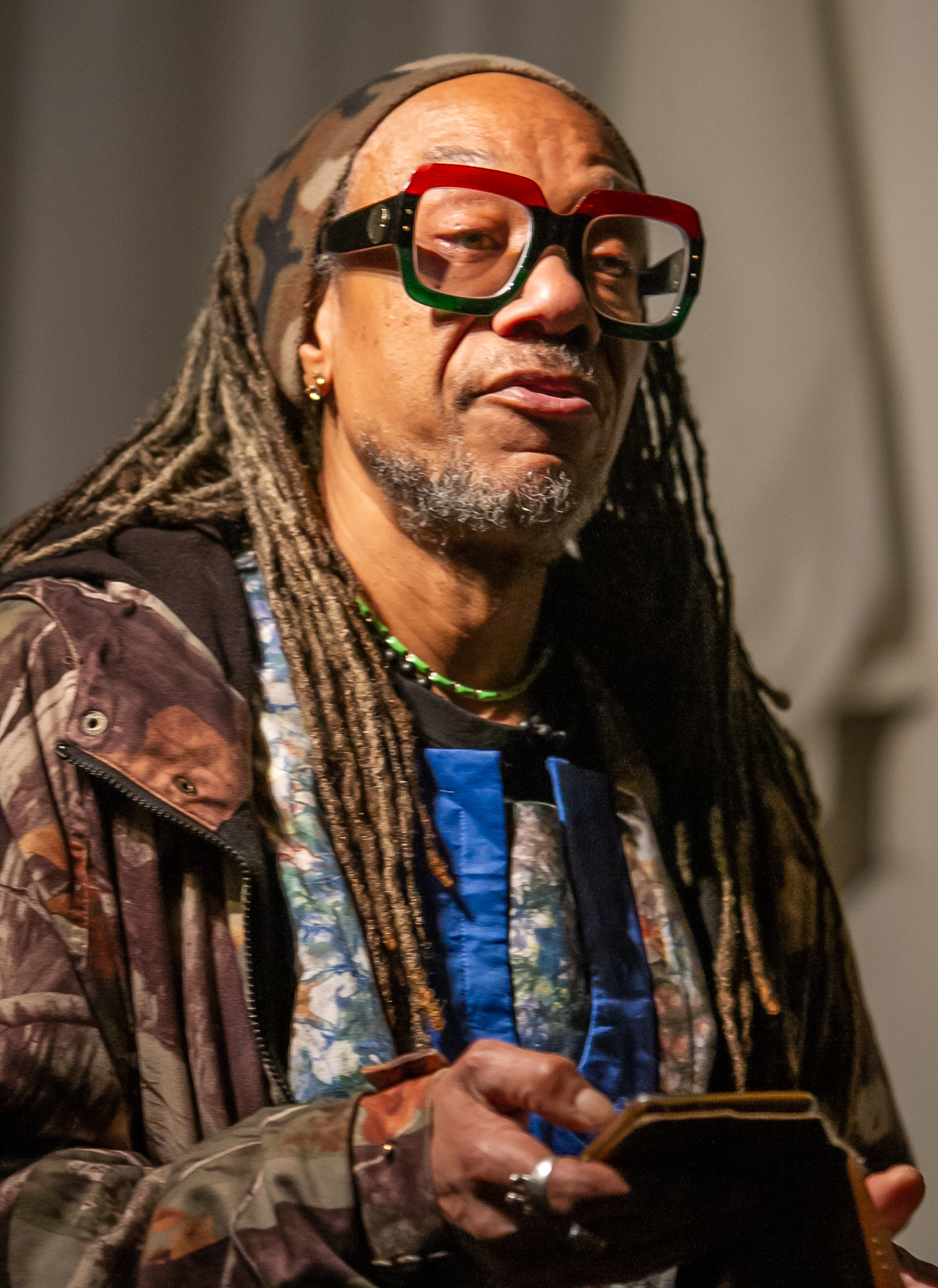
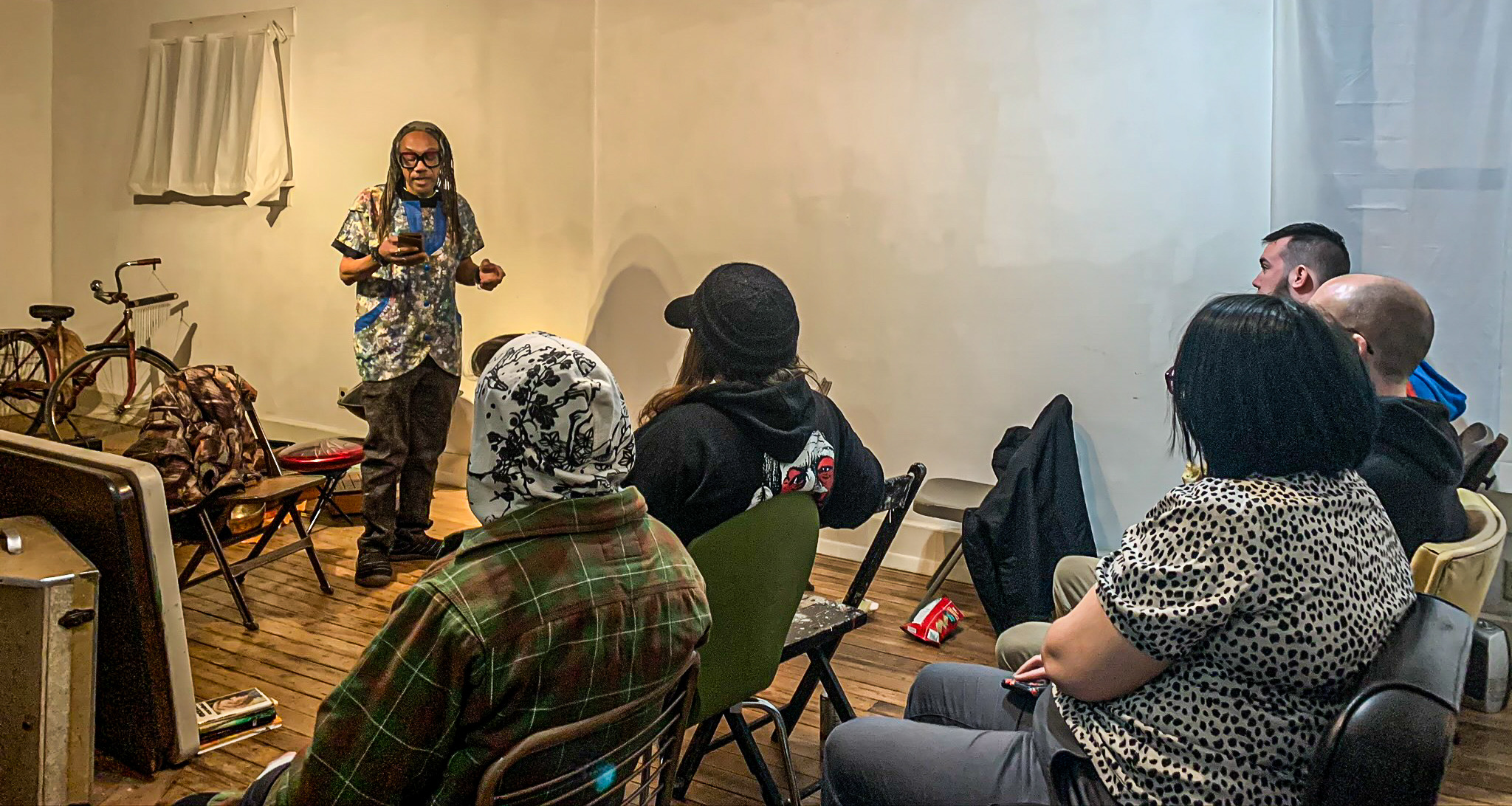
There are artists who paint what they see, and then there are artists who paint what haunts them—what lingers in the margins of memory, what moves beneath the skin. Orville Brown is the latter. A Cleveland-born painter, digital illustrator, and sculptor, Brown has spent the better part of two decades building a world that is at once intimate and surreal, a space where Attack on Titan-sized ambition collides with the quiet sensuality of personal history. His work speaks in shadows, in motion, in the language of a man who learned early that art wasn’t about talent alone—it was about learning to lean into the emotion so many of us spend our lives running from.

This March, Brown brings that emotional lexicon to the West 78th Street Galleries, taking over Suite 215 on the second floor at 1300 W. 78th Street, Cleveland, with a solo exhibition centered on the Year of the Horse. But to understand the work on those walls—the self-portrait as horse, the road rage of a red car, the bruised poetry of boxers in Lucifer Trails—you have to understand the long, winding road Brown took to get there.

Let’s start in 2009. Brown was a student at MC2 STEM High School, part of a visionary interdisciplinary project that would prove prophetic for his career. In English class, students wrote lyrics. In engineering, they constructed. In art, they designed. The assignment: build a boombox. Brown’s creation didn’t just earn a grade—it played at the Rock & Roll Hall of Fame, alongside his classmates’ tracks, a moment of youthful convergence that hinted at the collaborative, cross-disciplinary artist he would become. And yet, for all that early promise, Brown will be the first to tell you: he wasn’t passionate yet. The talent was there, humming beneath the surface. But the fire? That would come later.

It arrived, as these things often do, in the form of a dog named Lola and a stranger from Craigslist.

Before 2017, Brown was making art, but not feeling it in the way that would come to define his practice. A move to South Carolina changed everything. There, he found a mentor in an artist named Arnold Edmondson—a man he met, improbably, through a Craigslist post offering help around the house. Edmondson became a guide, a philosophical anchor, and it was he who gave Brown the instruction that now reads like a manifesto for his entire body of work: “Create with emotion. Lean into it.”

It was a lesson Brown carried back to Cleveland, where he enrolled at Virginia Marti College of Art and Design, majoring in graphic design with a focus on aesthetics. The foundation he built there—the principles of art and design that had felt academic in high school—suddenly had weight. They were tools now, not rules. They were a vocabulary for the emotional truths he was finally ready to speak.

But painting, the medium that now defines his voice, found him almost by accident. At a community maker space called Soul Craft—a woodworking shop in the Arches of the Flats—Brown was invited to paint by Shawn Wheeler, a painter who saw something in the young artist. Brown showed up, played around with paint, and discovered something he hadn’t expected: passion, growing on him like a second skin. “It grew on me,” he says simply. And in that growth, the work deepened. The mystique that had always been present in his drawings found a new home in oil and acrylic, in the physicality of brush against canvas.

All of which brings us to March 2026, and the Year of the Horse.

For Brown, the horse is not merely an animal. It is a symbol of the lessons he has learned about ambition, about getting out of his own way, about trusting what feels right even when it defies logic. The exhibition features three major works that encapsulate this journey. There’s a monumental self-portrait, 55 by 31 inches, in which Brown renders himself as a horse—witty, a little surreal, a mirror turned inward with humor and gravitas. There’s Road Rage, 28 by 34 inches, a painting of a driver in a red car that captures the claustrophobia and absurdity of our own impulses. And then there’s Lucifer Trails, 34 by 37 inches, a depiction of boxers that feels less like a sporting event and more like a dance of shadow and consequence, two figures caught in the dissonance of striving.
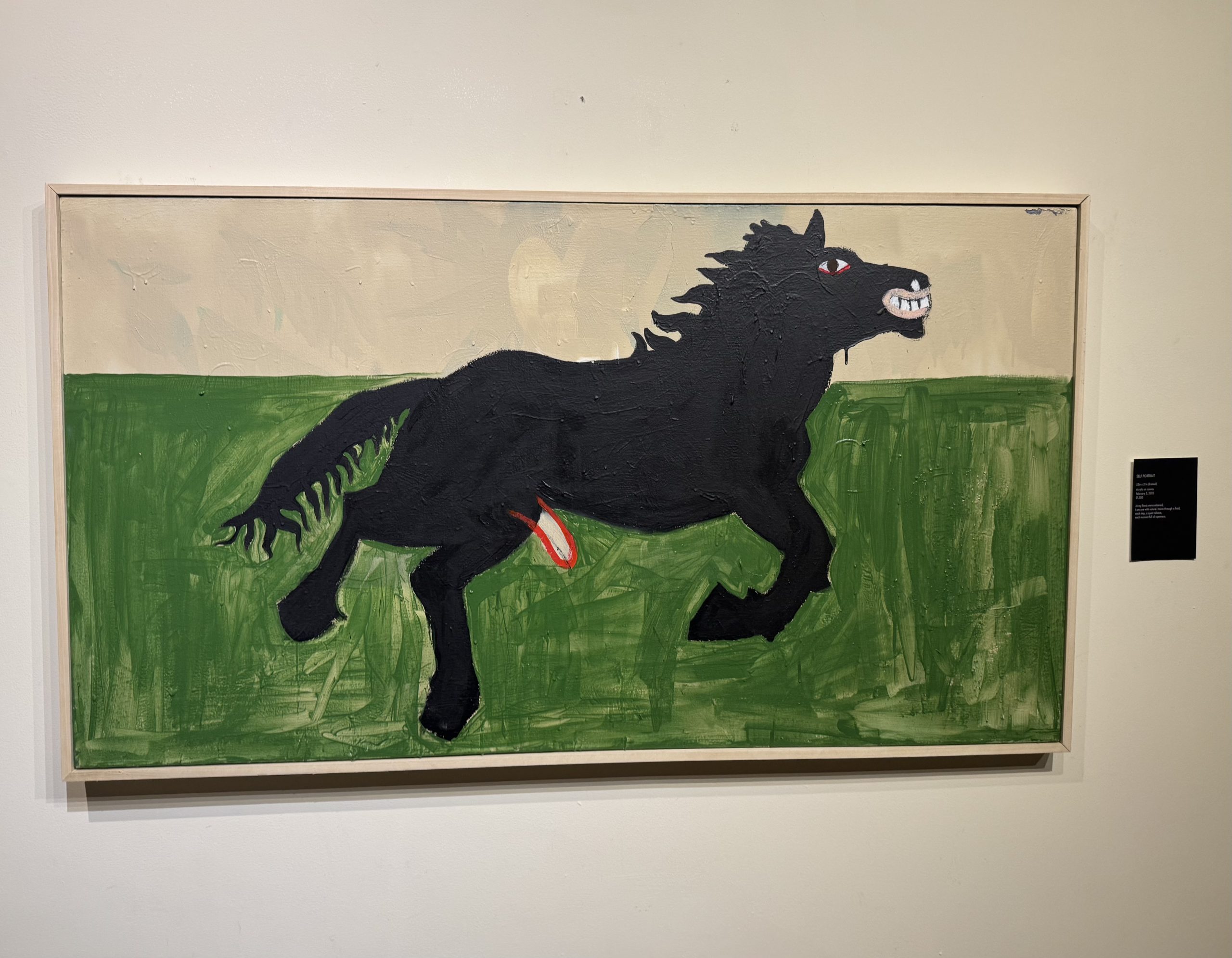
self-portrait, 55 by 31 inches
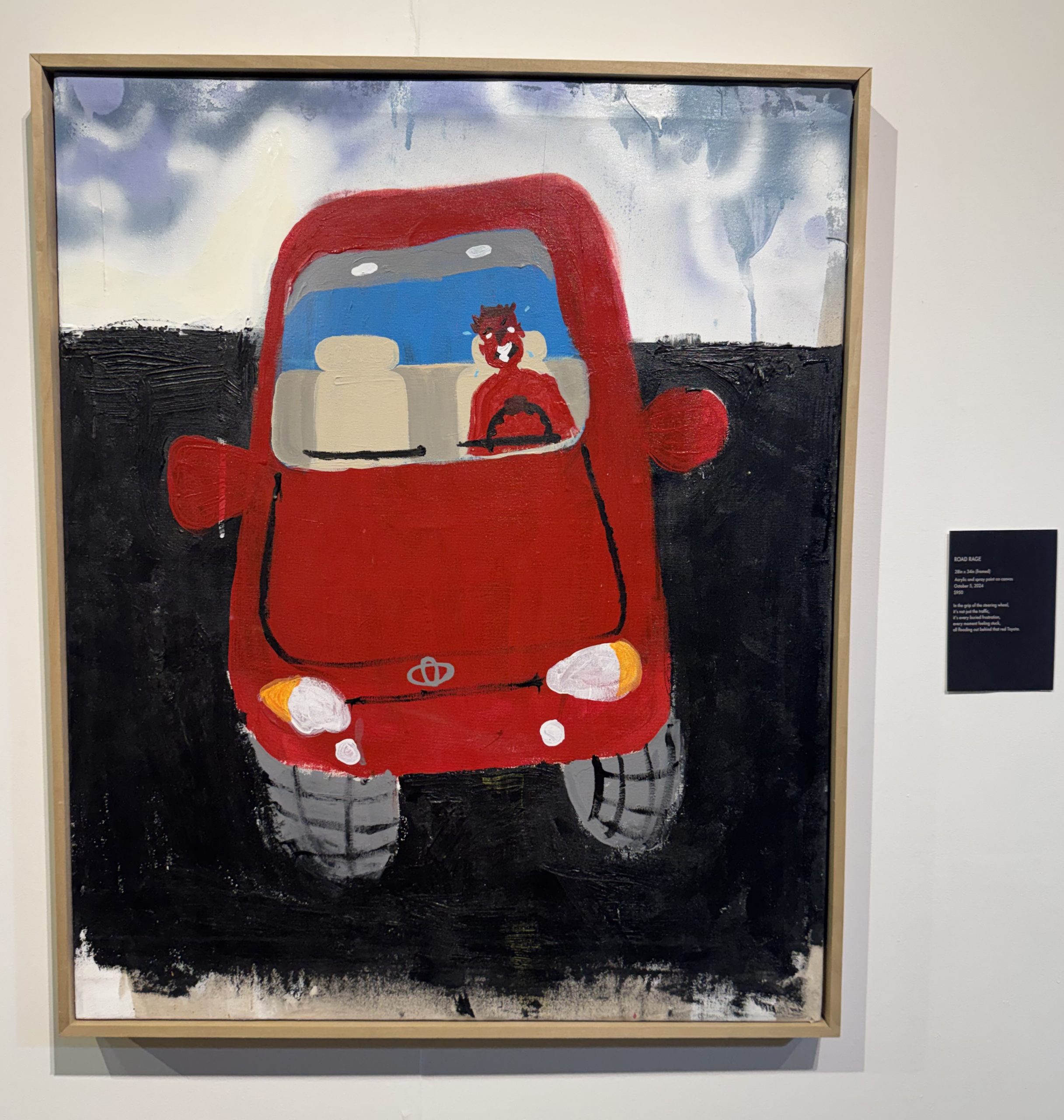
Road Rage, 28 by 34 inches
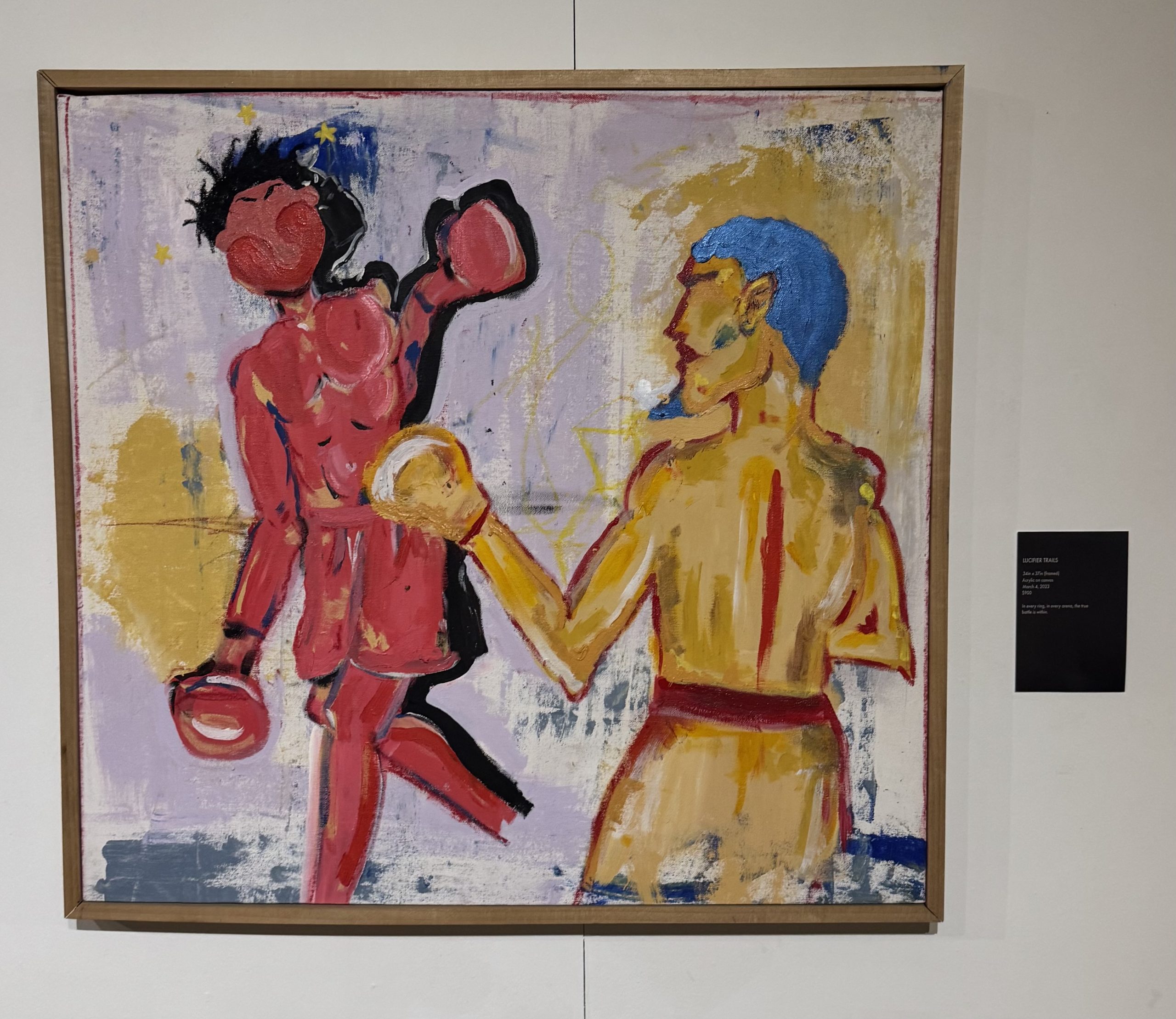
Lucifer Trails, 34 by 37 inches

These are paintings about the year we leap, the year we finally stop standing in our own way. They are playful, but they are also steeped in the kind of hard-won wisdom that only comes from a decade of transformation. Brown’s work has already been showcased in Cleveland’s CAN Triennial and has shaped the visual identity of local musicians and businesses, embedding him in the city’s cultural fabric. But this show feels different. It feels like an arrival.

Perhaps the truest compass for Brown’s work is a quote he carries with him, words that could serve as an epigraph for his entire exhibition: “Child, be strange. Dark, true, impure and dissonant.” It’s a blessing and a dare, a permission slip to make art that doesn’t apologize for its complexity. And it’s exactly what Brown has done.

When you step into Suite 215 this March, you’ll see the principles of design, yes—the refined hand of a Virginia Marti-trained artist. But you’ll also feel something else. A pulse. A quiet sensuality. The unmistakable presence of an artist who learned, finally, to create with emotion, to lean into it, and to let the shadows speak.

Orville Brown’s Year of the Horse opens March 2026 at Suite 215 Gallery, 1300 W. 78th Street, Cleveland. Don’t miss it and if you did go to the website. The leap is worth taking.
Website

The Fabricator of Frequency & Verse: TruthSerum’s Sonic. The Alchemist of Echoes: A Glowing Review of Michael Alan Cundiff, Columbus’s Most Authentic Voice

Michael Alan Cundiff

The Griot of the Circuit Board: TruthSerum’s Radical Craft
In the quiet, unassuming workshop tucked somewhere in the sprawl of Columbus, Ohio, there lives a man who does not wait for history to speak—he builds the instruments that carry its voice. His name is Michael Alan Cundiff, but you will never hear him answer to that. In this city, in the small but fierce constellation of artists who refuse to compromise, he is known only as TruthSerum.


To understand TruthSerum is to understand the architecture of rebellion. Born in Anchorage, Alaska—where survival demands ingenuity—he migrated to the heart of the Midwest, absorbing the grit of Mifflin High School before taking his restless intellect to The Ohio State University. But academia was never the destination; it was a layover. His real education began when he started asking a simple question: What does Black sound like when it refuses to be borrowed?


The answer, for TruthSerum, lies in the wood, the calabash, the carefully tensioned membranes, and the hand-forged tines of African instruments. While the world chases mass-produced guitars and factory-line synthesizers, he works in a different lineage. He is a builder, a repairer, a preserver, and an innovator of instruments that carry the DNA of the continent: kalimbas (thumb pianos) whose metal tines sing with the resonance of southern African tradition; djembes and talking drums whose voices shift pitch under a pressed elbow; ngonis and koras—string instruments whose ancestry stretches back to the Mandinka empires, their calabash resonators whispering stories older than the blues.


TruthSerum does not merely play these instruments. He fabricates them. Using a fusion of technical knowledge, deep research, and an almost obsessive reverence for authenticity, he builds, maintains, and tunes these vessels with the precision of a conservator and the soul of a griot. He understands that a kalimba is not a novelty; it is a philosophical technology—a tool for memory, for ceremony, for unapologetic Black joy and Black lament. When he repairs a cracked drum shell or re-tensions a goat hide, he is not fixing an object; he is restoring a line of communication that colonialism tried to sever.


And when amplification is required—because the revolution, after all, deserves to be heard—TruthSerum provides that too. He designs and configures sound systems that honor the acoustic integrity of these instruments while ensuring that their frequencies cut through the noise of a world that often prefers them silent.
The Word Is Truth


But the instruments are only half the story. If his hands build the vessels, his voice fills them.

TruthSerum is a poet of the uncompromising kind. His work does not whisper; it testifies. His poetry moves through the tradition of the Last Poets, of Gil Scott-Heron, of every Black artist who understood that art without confrontation is merely decoration. His themes are raw, unapologetically Black, and laser-focused on the urgency of Black Lives Matter—not as a slogan, but as a lived, breathing reality in the streets of Columbus and beyond.


His poem “My Black I Beautiful” stands as a cornerstone of his artistic manifesto:
“My Black is BeautiFULL because my heritage is rich and full of dynastic Queens and Kings spanning continents and ages. My Black is beautiful because of its diverse cultural aspects, unique languages, arts, musical instruments & historical accomplishments. My black is beautiful because it is unique, always copied (often envied). My black is beautiful because it is strength, adaptability & endurance throughout the centuries of life on this planet. My black is beautiful just because!”


This is not poetry designed for quiet chapbook readings in coffee shops where people nod politely. This is a declarative act. It is a rebuttal to every erasure, every microaggression, every stolen rhythm repackaged for suburban consumption. When TruthSerum performs this piece—often accompanied by a kalimba he built himself, amplified through a rig he tuned with his own hands—the room stops being a room. It becomes a sanctuary. It becomes a witness.


The Synthesis


What makes TruthSerum a singular figure in Ohio’s artistic landscape is the unity of his craft and his message. He does not separate the instrument from the poem. He understands that the talking drum was once used to transmit messages across dense forests—and that today, his voice, amplified through circuits he understands intimately, serves the same purpose. He teaches not just technique but lineage. When he instructs a student on the method of playing a kora, he is also teaching them the history of the Mande hunters who first strung its twenty-one strings. When he tunes a djembe, he is reminding them that rhythm was the original telegraph—resistance encoded in syncopation.


Originally from the wilds of Alaska, tempered by the halls of OSU, and rooted in the community of Mifflin and Columbus, TruthSerum represents something rare: an artist who builds his own tools, speaks his own truths, and refuses to let Black art be sanitized for mainstream comfort. He is a fabricator of African instruments in a city that often overlooks their existence. He is a poet who uses the word “Black” like a drum strike—unflinching, resonant, necessary.


In a cultural moment that loves to appropriate aesthetics while ignoring the people who created them, TruthSerum is a corrective. He does not ask permission. He does not wait for validation. He builds. He writes. He amplifies.

And if you ever find yourself in Columbus, standing in the presence of a kalimba he crafted, hearing a poem that refuses to let you look away, you will understand: this is what truth sounds like when it is given its proper instrument.

Michael Alan Cundiff

“The Electric Genius of Georgio Sabino III”


By Elite Art Correspondent,

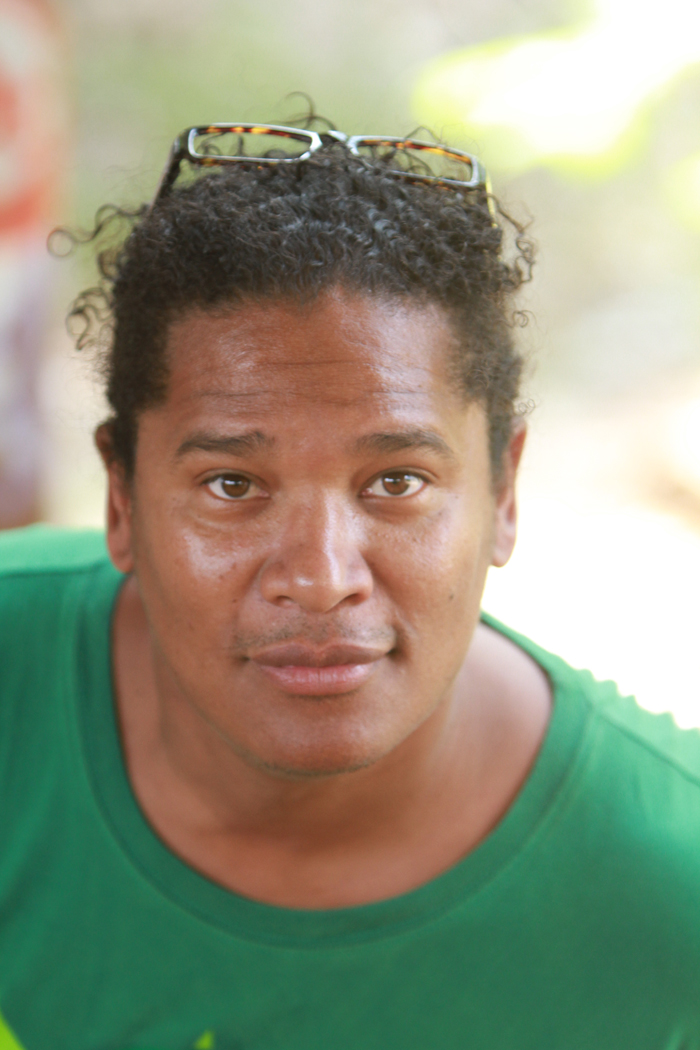
There are some artists whose hair announces them before their art does — and Georgio Sabino III (GS3) may very well be one of those rare electrified souls. Imagine if Einstein’s iconic mane wandered through an art studio, danced with silk, splashed itself in neon paint, and then signed its own masterpiece. That’s GS3 — a living sculpture of creativity and kinetic curiosity. His hair, much like his imagination, seems to defy gravity and logic at once, a halo of genius that warns the world: something innovative is about to happen.

You might first meet GS3 through his paintings — lush, textural “still life” works that transform simple vases into emotional architecture, or his Artistic Jungle Series, alive with pulsing greens, haunting golds, and the hum of hummingbirds. Each brushstroke feels like nature speaking back, not politely whispering but roaring with grace. His research into natural forms — vines, light, reflection — transforms into language on canvas. It’s as though he’s decoding Mother Earth’s private diary, one pigment at a time.

But Georgio is no singular-medium man. His vision stretches far beyond traditional frames. He’s a fashion alchemist — taking his paintings and translating them onto silk, where pattern meets poetry. Hand-painted textile art once defined his process, but now, armed with digital tools and a photographer’s eye, GS3 captures high-resolution images of his own paintings and manipulates them into couture. The results shimmer like wearable dreams — kinetic color frozen in time, then freed again by movement.

And then there’s the lens work — GS3’s camera doesn’t just snap; it converses. He captures the sweat of athletic greatness — collegiate football games, pro tennis rockets, NBA stars mid-leap, football warriors mid-roar — each photo a hymn to human excellence. Yet, just as fluidly, he steps into wedding corridors gilded with cultural splendor: Vietnamese silks, Ghanaian Kente cloths, east Indian embroidery, and the mosaic of America’s own bridal traditions. Each image refracts diversity through empathy, showing beauty as universal choreography.

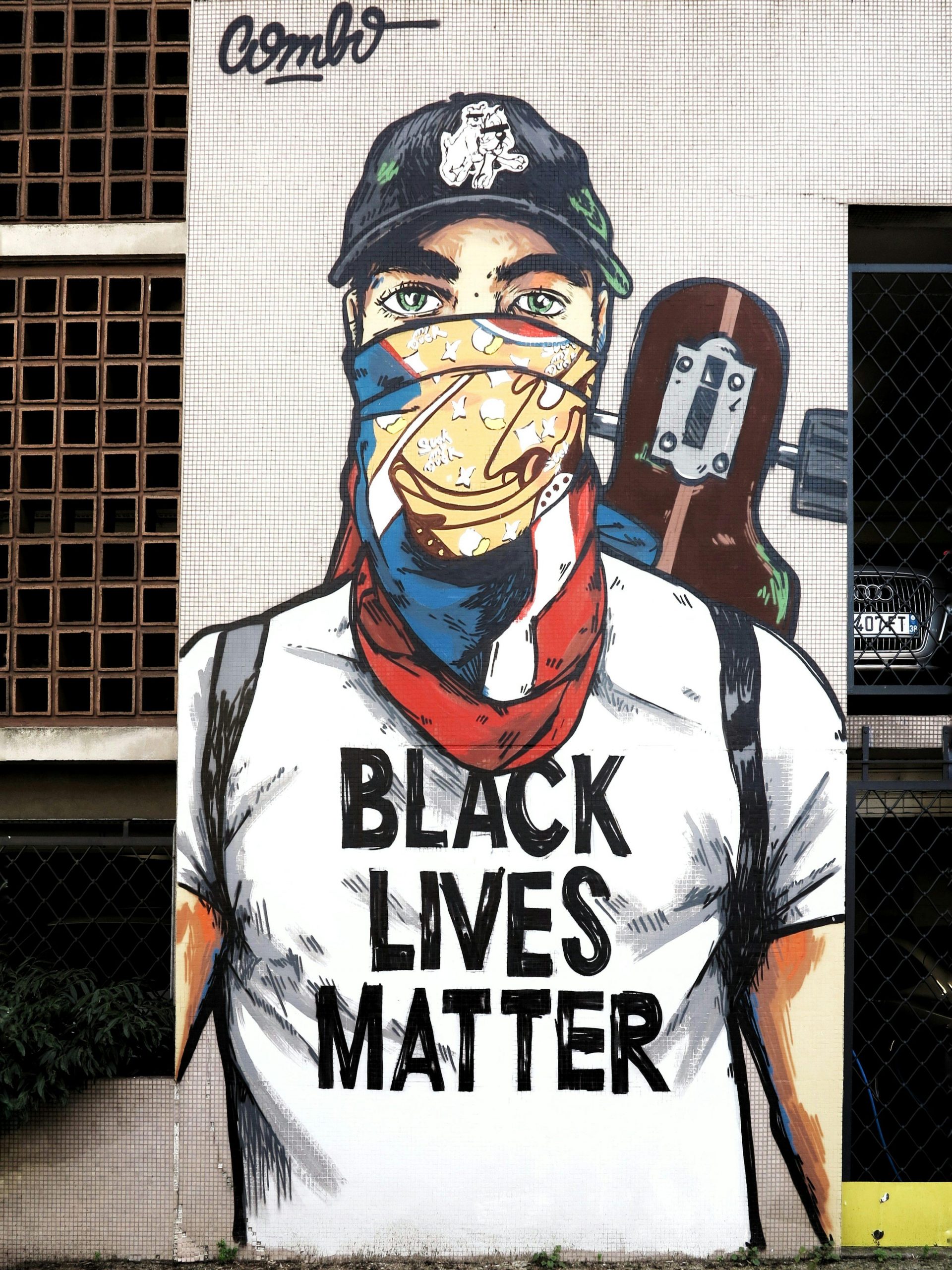
Politics and protest, too, are caught in his viewfinder — from Black Lives Matter marches to the corridors of power in D.C., GS3’s camera listens to history happen. His artistry doesn’t segregate beauty from truth; it stitches them into shared fabric. Even his software development — GoVia, his “brain child,” the 21st-century cousin, perhaps, of Einstein’s thought experiments — blends art and analytics. It’s creativity that codes. Aesthetic intellect merged with digital purpose.

In the modern art constellation, Georgio Sabino III stands as an electric intersection: part painter, part designer, photographer, technologist, dreamer. And that wild hair? It remains his living manifesto — proof that genius rarely follows the combed path.


The Press: Lens of Record – How GS3 Photography Became a Small Newsroom With a Global Gaze

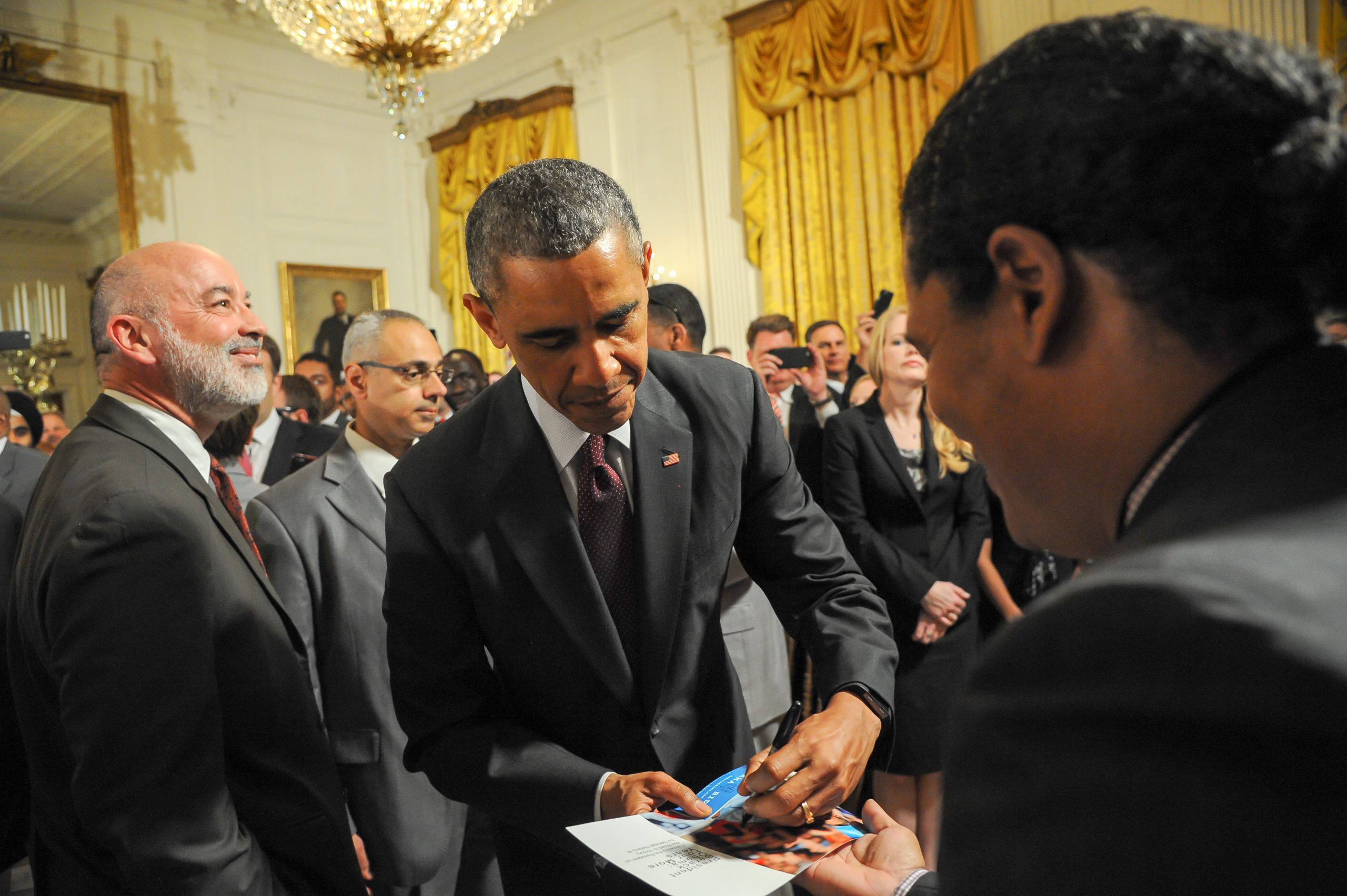
President Obama signing photographs for Georgio Sabino
PRESIDENT OBAMA signs a Ohio State University Buckeyes football team poster for GEORGIO SABINO III in honor of the team winning the first ever College Football Playoff National Championship The event took place in the East Room of the White House

A Press Badge Without a Newsroom

In an era when the definition of “the press” is being renegotiated in courtrooms, on social platforms, and in the streets, a quiet but persistent question lingers: Who gets to document history—and who gets believed?

For GS3 Photography, a Cleveland-based small business founded in 2000, the answer has never waited for institutional permission. It has been asserted, frame by frame, across two and a half decades of American and global life—wars and elections, championships and protests, runways and classrooms.

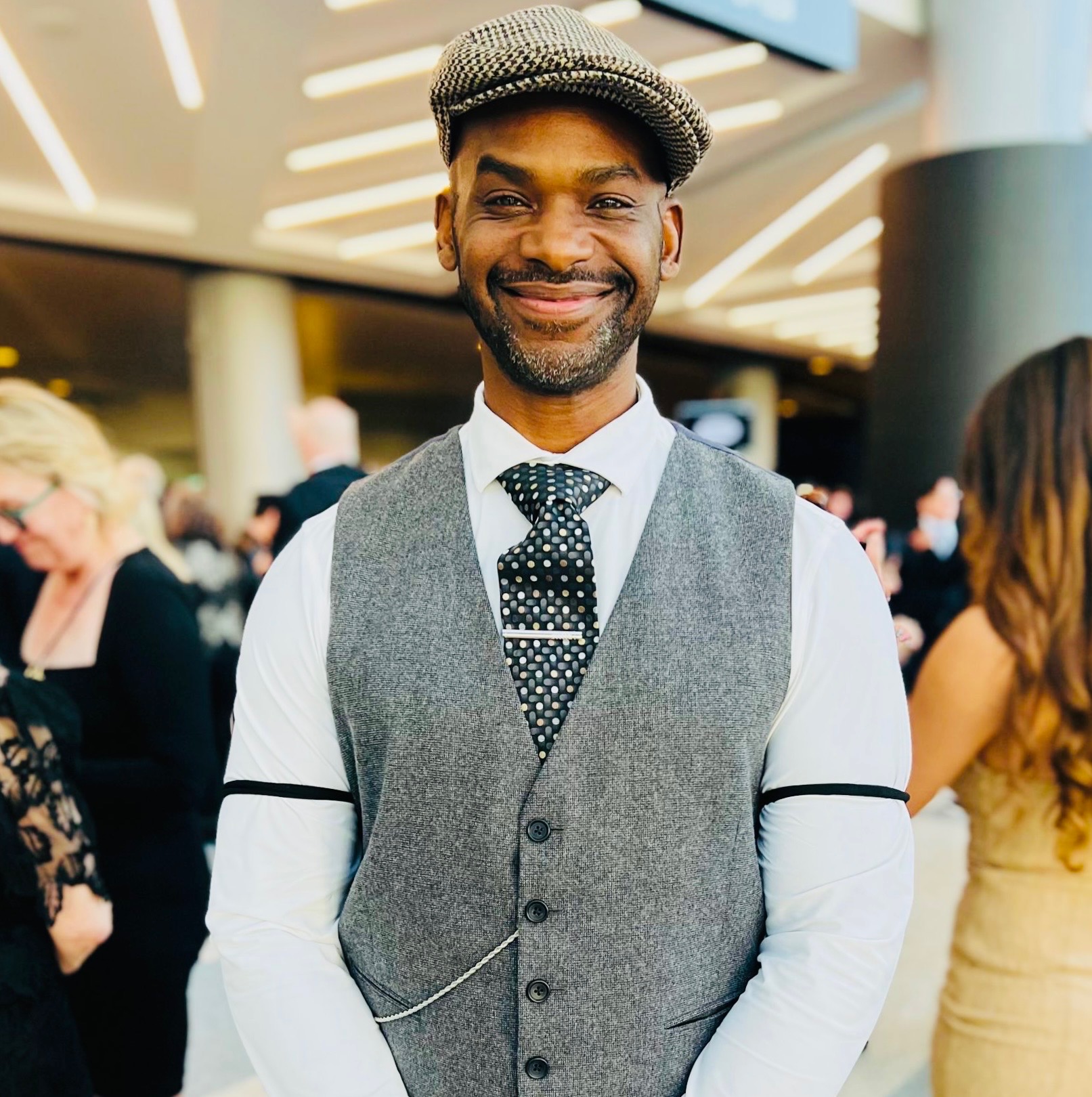
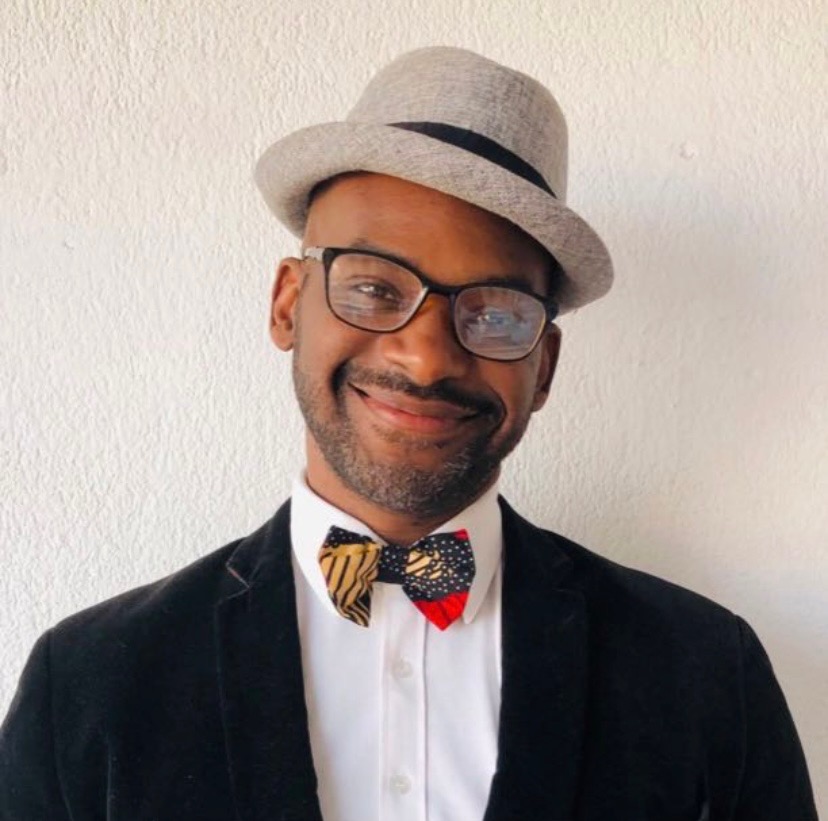
“We are the press,” says Georgio Sabino III, photographer, writer, and one of the core members of the GS3 team. “Not because someone handed us a title—but because we’ve done the work, consistently, in places where history is happening.”


The Long Arc of Independent Coverage

Since its founding, GS3 has built an archive that mirrors the fragmentation—and urgency—of modern journalism:

  • Five U.S. presidents documented across administrations
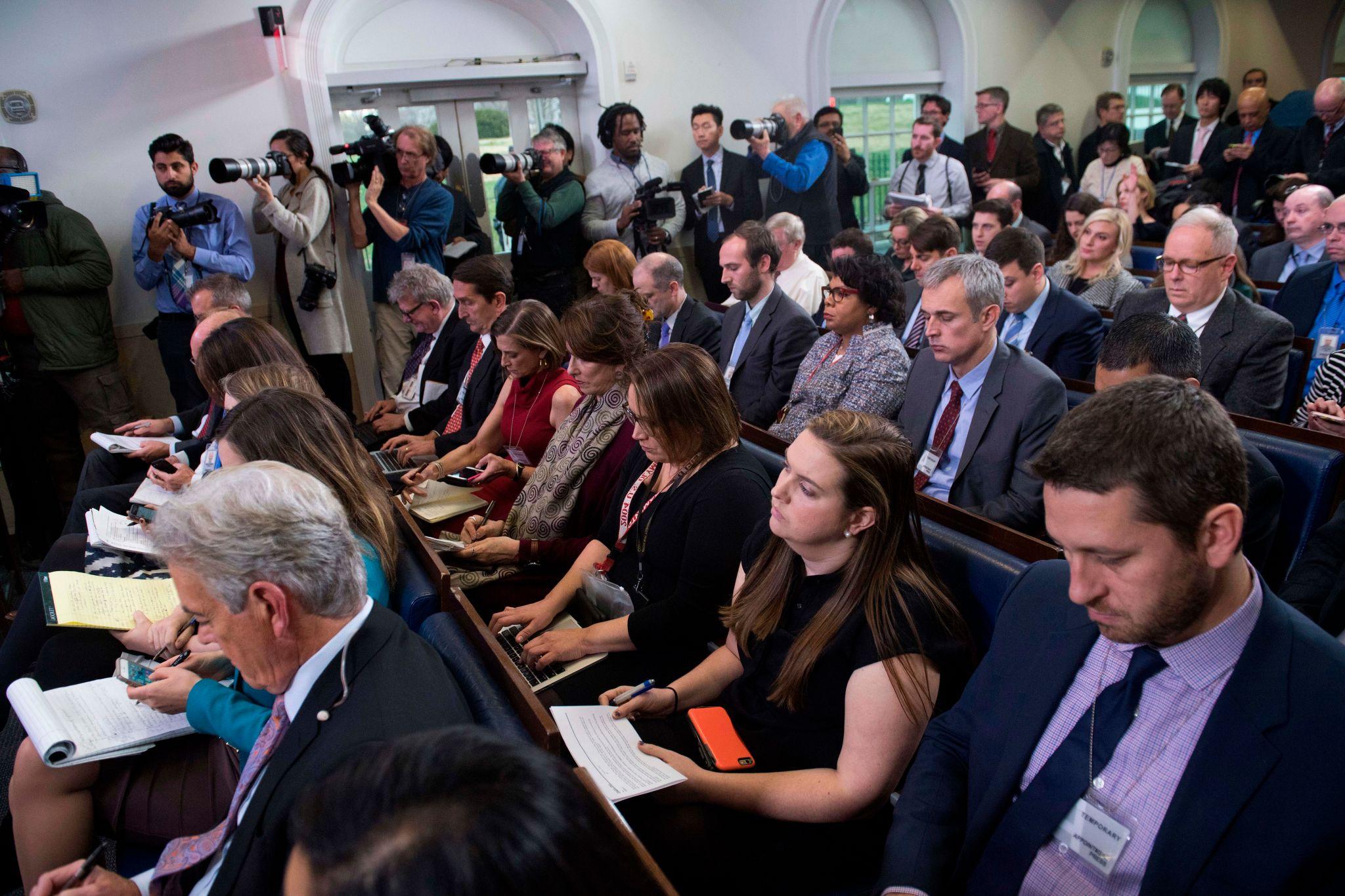
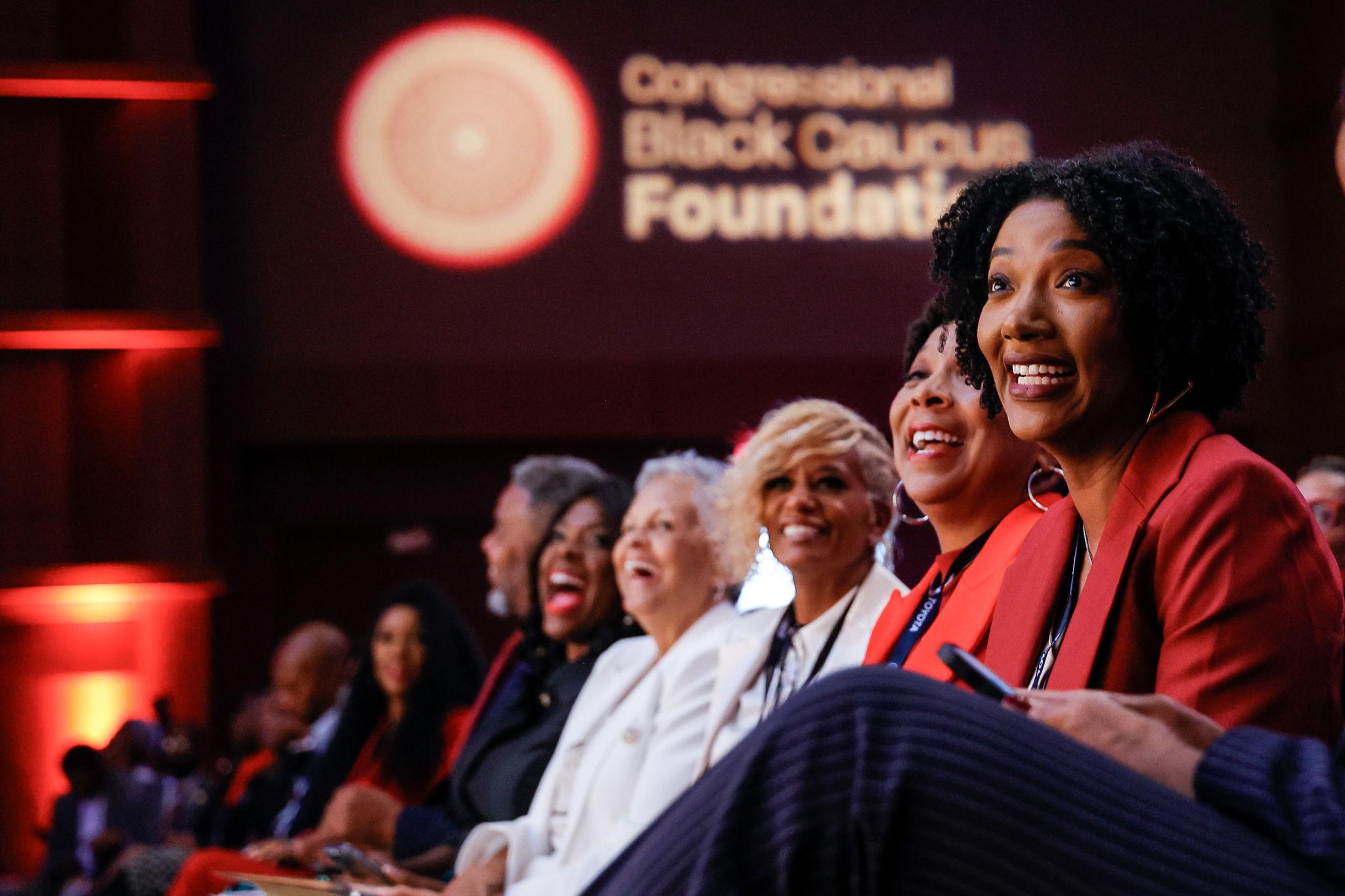
  • Coverage inside and around the White House and the Congressional Black Caucus in Washington, D.C.
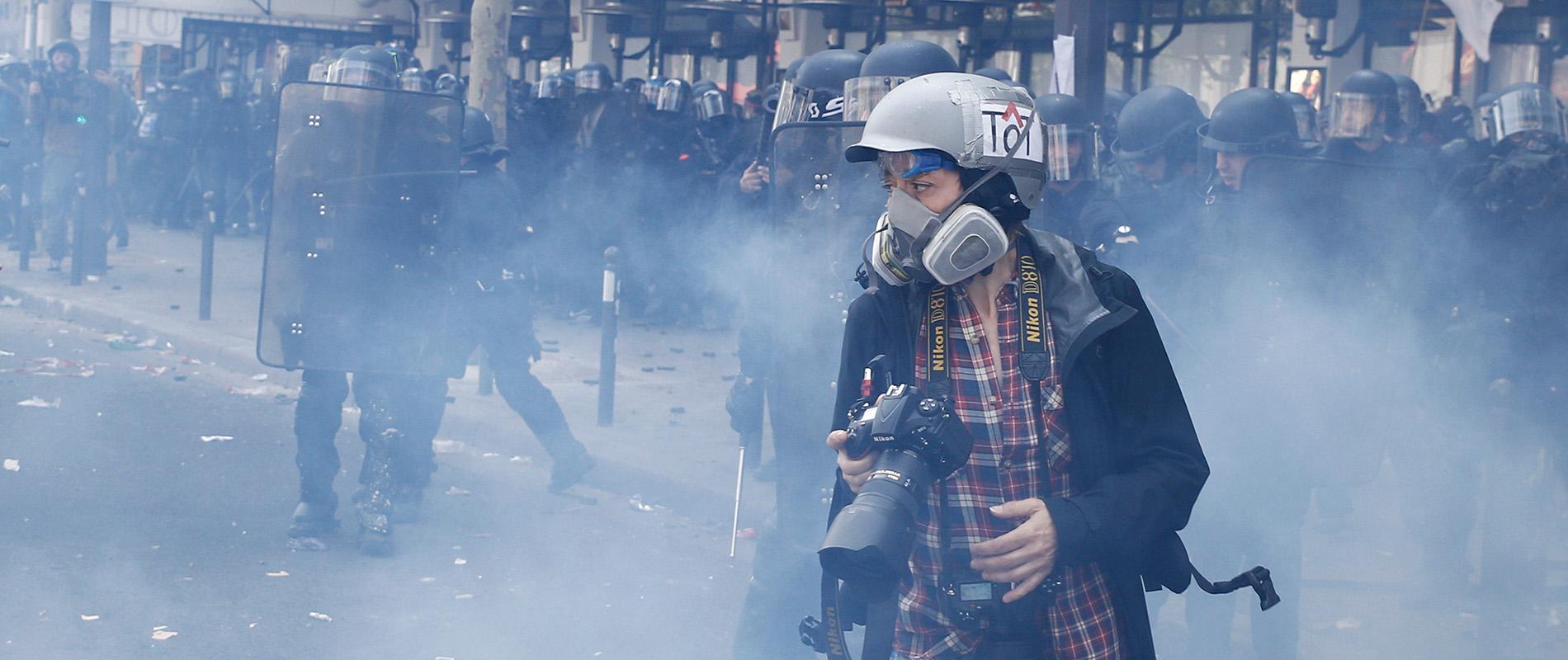
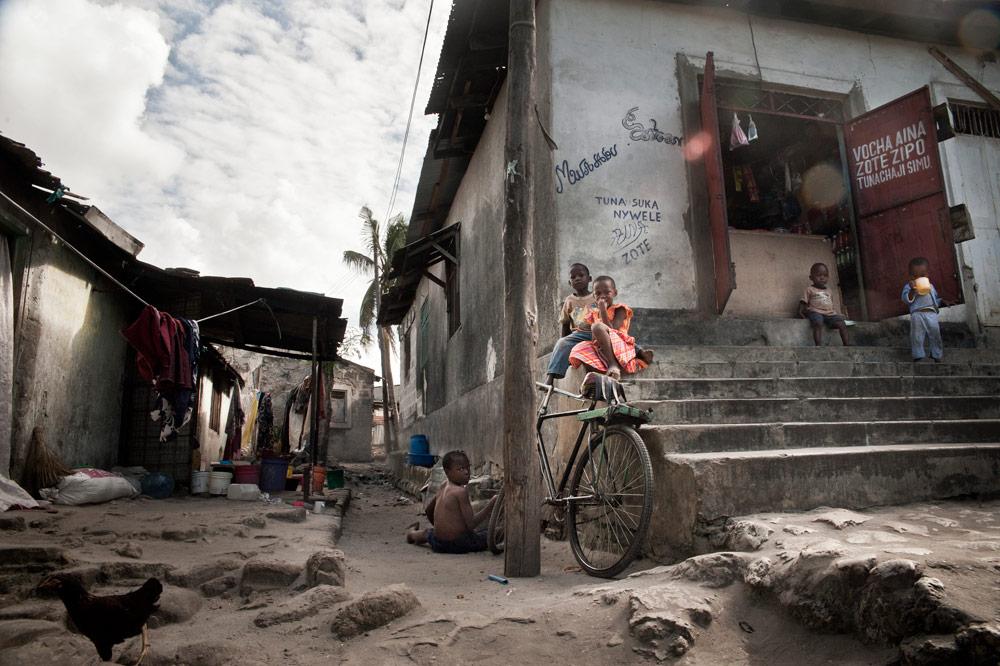
  • International assignments in Paris and Tanzania
  • National coverage from New York City to San DiegoSan FranciscoMiami, and Pascagoula
  • Regional reporting rooted in Ohio—from policy debates to community events

But unlike legacy outlets, GS3 operates without a sprawling newsroom or corporate backing. It is, in Sabino’s words, “a small business covering big events.”
That positioning—nimble yet exposed—places GS3 at the fault line of a shifting media ecosystem, where independent journalists often have access but not always protection.


The Datafied Gaze: AI, Surveillance, and the Camera

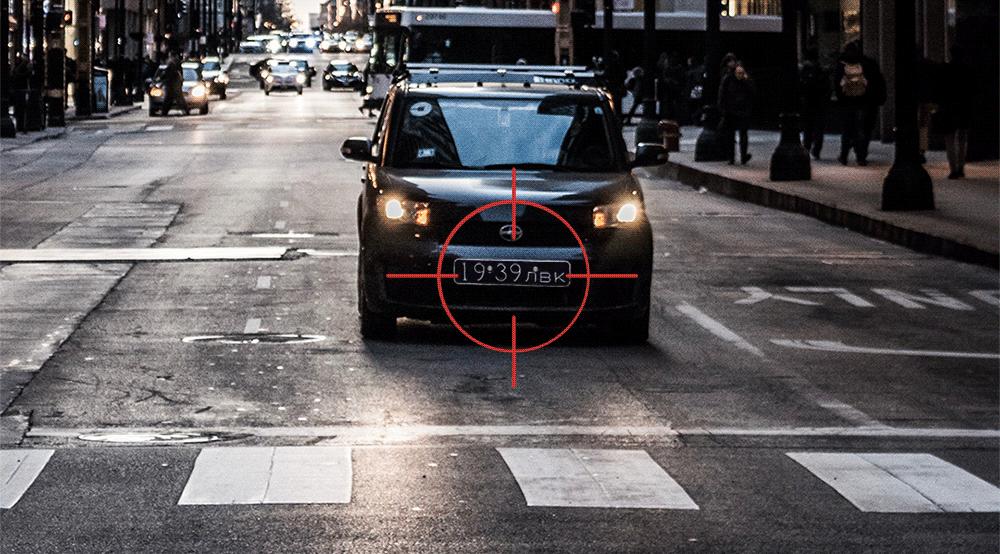
Across the United States, law enforcement agencies are rapidly integrating AI-driven tools—facial recognitionlicense plate readers, predictive analytics—into everyday policing. Cleveland, like many cities, has expanded its surveillance footprint in the name of public safety.
Yet for independent media organizations like GS3, these technologies introduce a paradox:

  • The same systems that monitor crime can also capture journalists
  • Algorithms trained on biased datasets risk misidentifying people of color, raising civil liberties concerns
  • Footage that once belonged to the photographer can now be subpoenaed, scraped, or algorithmically analyzed

Studies have repeatedly shown that facial recognition systems can have error rates up to 10–100 times higher for darker-skinned individuals, depending on the dataset and model used. In the context of protests or political events, this disparity is not theoretical—it can shape who is flagged, questioned, or detained.

For GS3, whose work often centers Black, Latino, and multicultural communities, the stakes are immediate.

“Your camera used to be your protection,” Sabino notes. “Now, it can also make you visible in ways you can’t control.”

Courts, Credibility, and the Question of Evidence

The judicial system is also evolving. AI-assisted tools are now used in:
  • Pretrial risk assessments
  • Sentencing recommendations
  • Digital evidence analysis

At the same time, visual media—photos, video, livestreams—has become central to legal narratives. Independent footage captured by organizations like GS3 can move from social documentation to courtroom evidence overnight.

But this transition raises critical questions:

  • Who verifies the authenticity of digital images in an era of deepfakes?
  • How do courts weigh independent journalism against official police footage?
  • What protections exist for journalists whose work is compelled as evidence?

Legal scholars warn that without standardized frameworks, the justice system risks amplifying existing inequities—particularly when AI tools lack transparency.

For GS3, the camera is not just a storytelling device. It is, increasingly, a participant in legal processes.

Sidelines and Statehouses: A Spectrum of Access

GS3’s reach is unusually broad for a small operation:

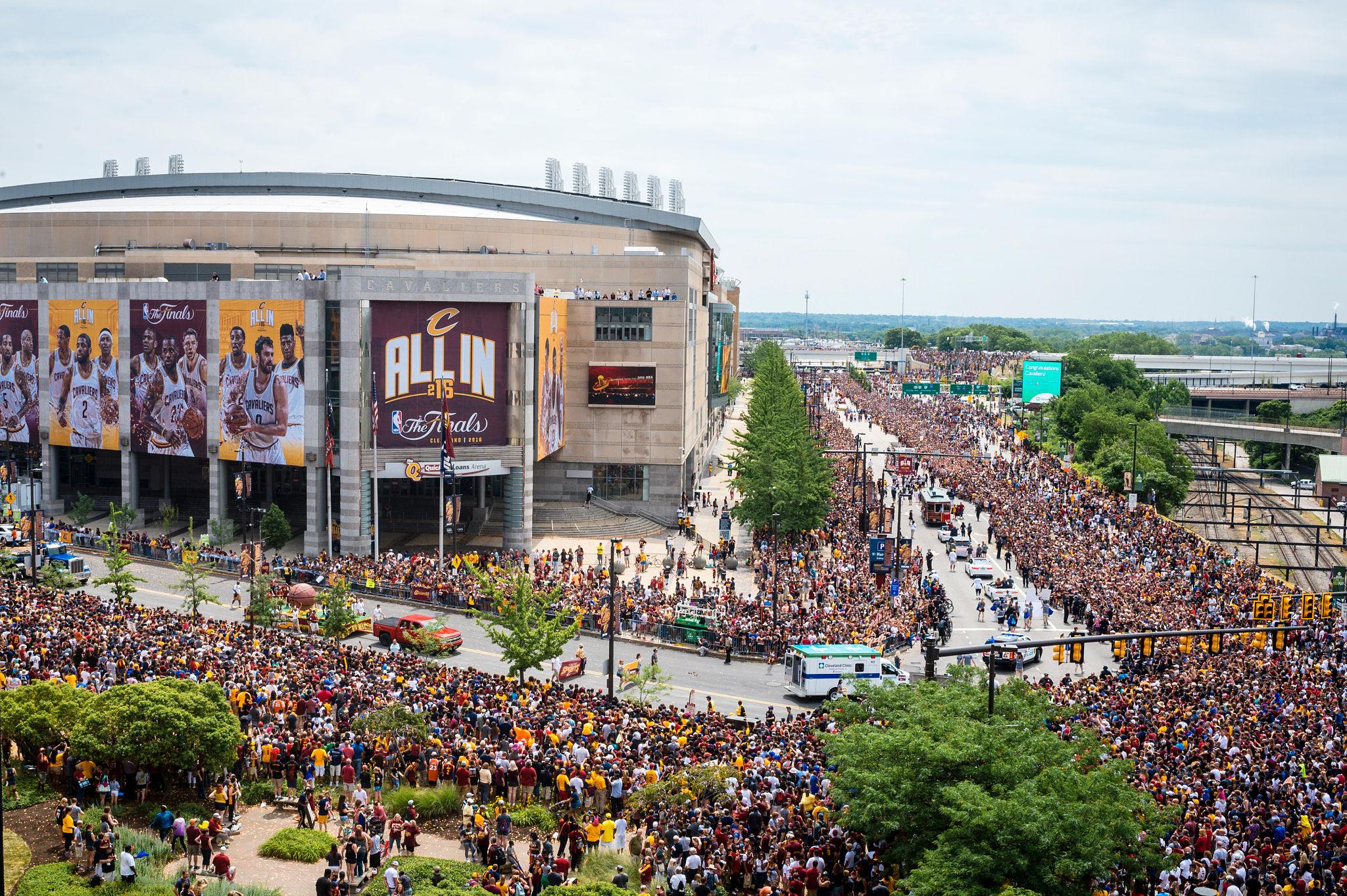
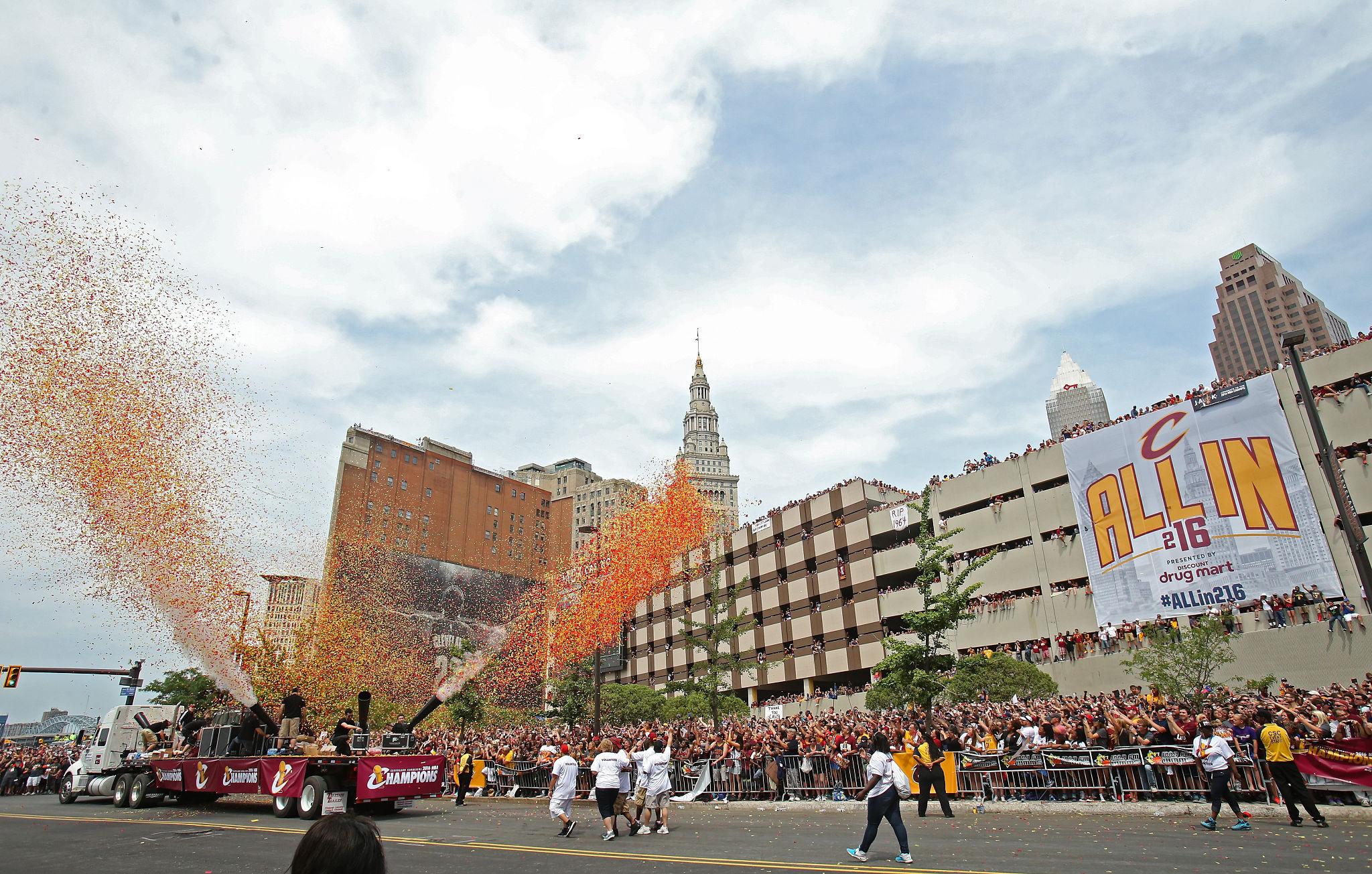
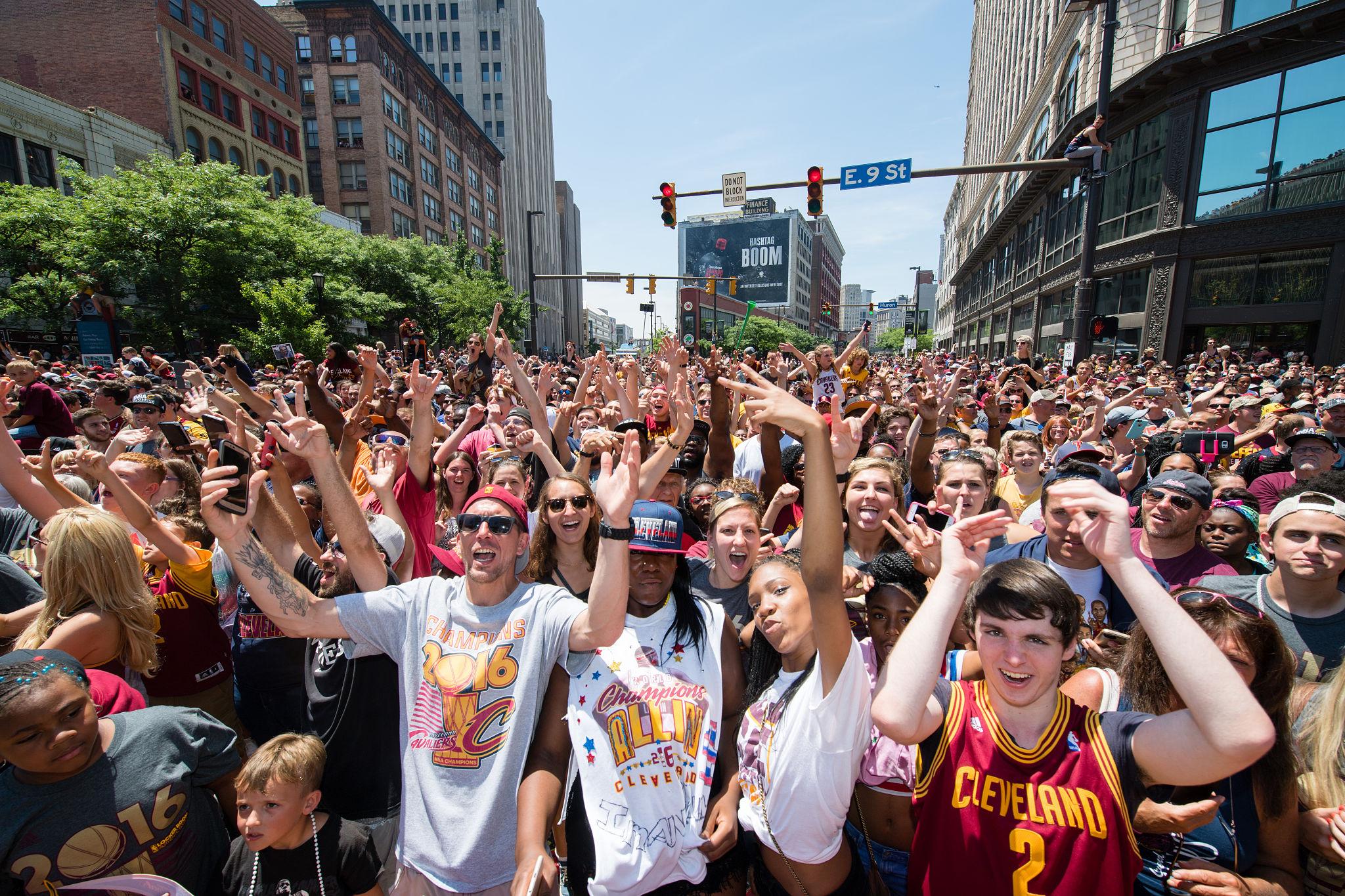
  • Courtside at Cleveland Cavaliers championship moments
  • On the field and in the stands with Ohio State Buckeyes fans
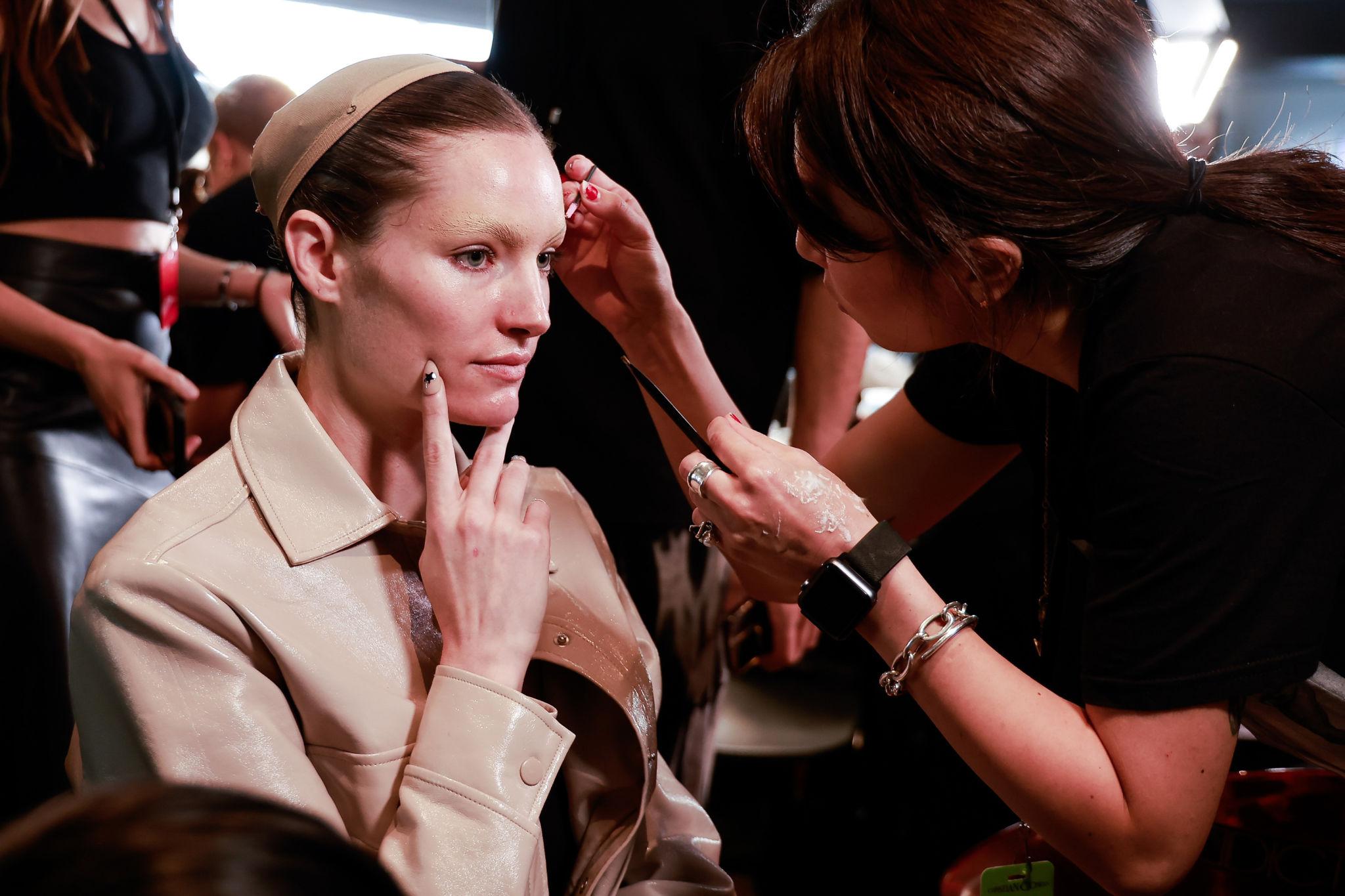
  • Behind the scenes in fashion spaces where culture is negotiated through fabric and form
  • Inside political gatherings where policy meets lived experience

This range is not incidental—it reflects a philosophy that news is not confined to crisis. Culture, sport, and art are part of the same civic fabric as legislation and protest.

“People think news is just politics,” Sabino says. “But fashion tells you who’s being seen. Sports tell you who’s being celebrated. Art tells you who’s being heard.”

Civil Rights in the Age of Algorithms

From civil rights marches to grassroots community events, GS3 has consistently documented movements that larger outlets sometimes overlook.

That work now intersects with a new frontier: algorithmic civil rights.

Advocates argue that AI systems used in policing and justice must be audited for bias, transparency, and accountability. Without such safeguards, technology risks reinforcing the very inequities it claims to solve.

Independent media plays a critical role here:

  • Capturing on-the-ground realities that data alone cannot convey
  • Providing counter-narratives to official accounts
  • Preserving a visual record that may later inform policy, litigation, or public understanding

GS3’s archive—spanning decades of multicultural life—becomes, in this sense, a form of civic infrastructure.

“We Have the Right to Be Here”

The First Amendment protections afforded to the press do not distinguish between multinational newsrooms and small, independent operations. But in practice, access and recognition often do.

GS3 operates in that gap—credentialed in some spaces, questioned in others, but persistent everywhere.

  • small business with a global footprint
  • local lens with international reach
  • team grounded in community but present in corridors of power

Their website—**www.GS3.us**—serves not just as a portfolio, but as a living archive of where they’ve been and what they’ve witnessed.

“We’ve been honored to stand at the White House, to document in Paris, to walk streets in Tanzania,” Sabino reflects. “But the real honor is being trusted to tell the story—whether it’s a president or a kid in Cleveland.”

The Future: Press, Platform, and Power

As AI reshapes policing and the courts redefine evidence, the role of independent media is becoming both more precarious and more essential.

Organizations like GS3 sit at a critical intersection:

  • Witnesses to events
  • Producers of visual truth
  • Participants in legal and technological systems they did not design

The challenge ahead is not just access—but protectionrecognition, and equity in a system increasingly mediated by algorithms.

In that landscape, GS3’s mission remains disarmingly simple:

Show up. Document. Tell the truth.

A small business, covering big events—insisting, with every image, that history does not belong only to those with the largest platforms, but to those willing to see it clearly and share it widely.

OSU Buckeyes Sabino #11
Winning!

When Hip-Hop Meets Hope: “Hip Hop Saves Lives” Touches Down in Cleveland

Chad Harper

In a moment that feels as historic as a soul sample in a timeless record, Chad Harper—the visionary founder of Hip Hop Saves Lives—is bringing his mission to Bolton Elementary School in Cleveland, Ohio. Harper, whose organization has roots in youth education and humanitarian advocacy through hip-hop culture, partners this spring with Georgio Sabino, multi-disciplinary creator and community arts leader, to work with young scholars on a track unlike any other: a song that honors heritage, elevates young voices, and is destined for Grammy consideration. (teach.nwp.org)

Harper’s philosophy is simple but profound: hip-hop—born from the spirit of peace, unity, and community expression in New York’s Bronx—is a vehicle to teach empathy, awareness, and self-esteem. His nonprofit has taken workshops on four continents, inviting youth to write, record, and film songs about everyday heroes and social change. Those songs become cultural artifacts, used to both educate and honor. (awakin.org)

This year, Hip Hop Saves Lives escalates its evolution. The Cleveland initiative will cultivate a song written with Bolton students that draws inspiration from their voices singing background melodies built upon iconic, feel-good hooks—music designed not just for performance, but for impact. That track, grounded in creativity and social uplift, will be submitted to the Grammy Awards—following Harper’s own recent experience at the 2026 Grammys. (Forbes)

Hip Hop Saves Lives
Chad Harper

What sets this project apart isn’t just the ambition of bringing kids into a Grammy-eligible work, but the inclusion of a world-class hip-hop MC—an established artist whose verses will interweave with Bolton’s voices, turning their classroom energy into a professional record.

For Harper, this work is rooted in a belief that hip-hop can do more than entertain—it can educate, elevate, and heal. His curriculum encourages students to explore global issues, connect them to local heroes, and express what they’ve learned in original music and visual storytelling. What echoes from his years of coaching young creators around the world is this: if youth can articulate their truths and be heard, they begin to see possibility where there was none. (teach.nwp.org)
And then there’s Georgio Sabino.  A music press and tour photographer, Sabino’s journey within the creative industries is rich and defining—especially behind the lens. Sabino has served as a tour photographer for luminaries grammy winning musicians. His eye for storytelling through imagery has been integral in capturing the authenticity of artists whose music lives somewhere between poetry and raw human experience.

That sensibility now underpins his work with young scholars: empowering their creative expression and linking it to real artistic processes. Sabino’s partnership with Harper is a meeting of worlds—two Ohio natives whose careers have spanned global culture and local impact, now converging to give children access to professional creative platforms that can change how they see themselves and their community.

In a music industry that often celebrates glamor over grit, this project signals something deeper: a reaffirmation that culture is shaped first by those who feel it, live it, and lift it up—from the playground to the stage and, with hope, into Grammy history.


🎤🎶

Georgio Sabino III

Jesse Jackson: A Civil Rights Superhero in My Lens

Screenshot

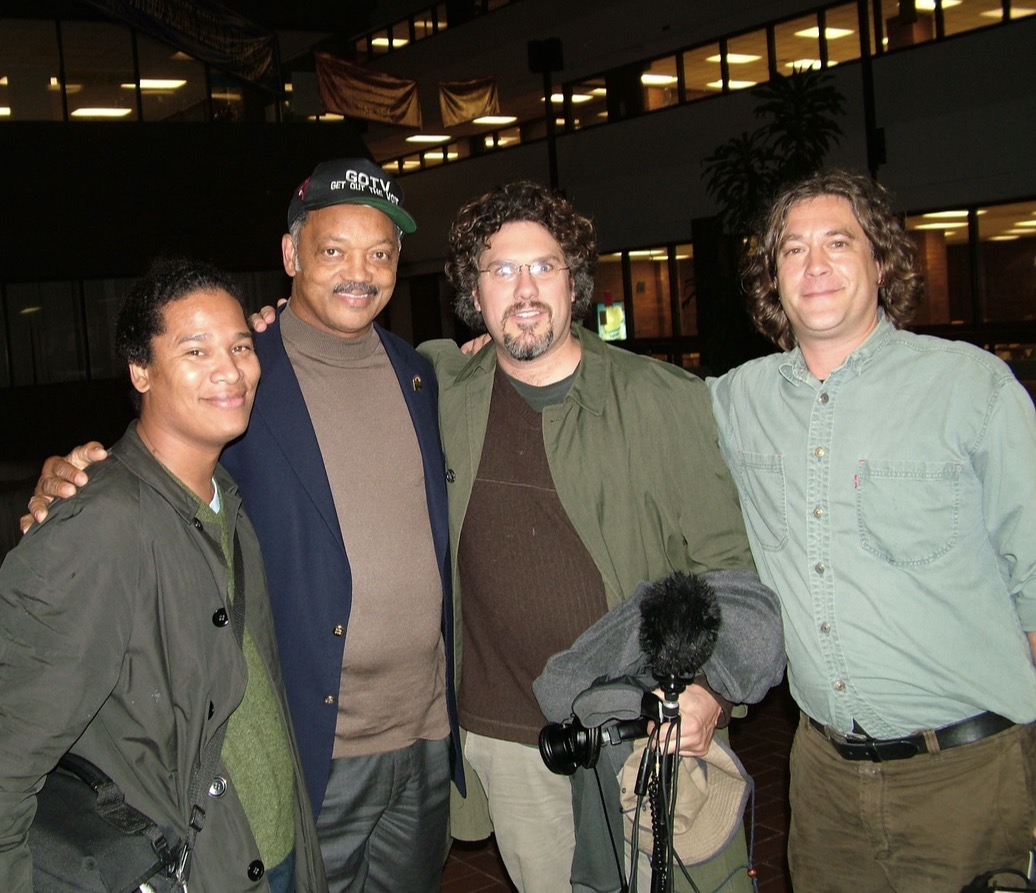
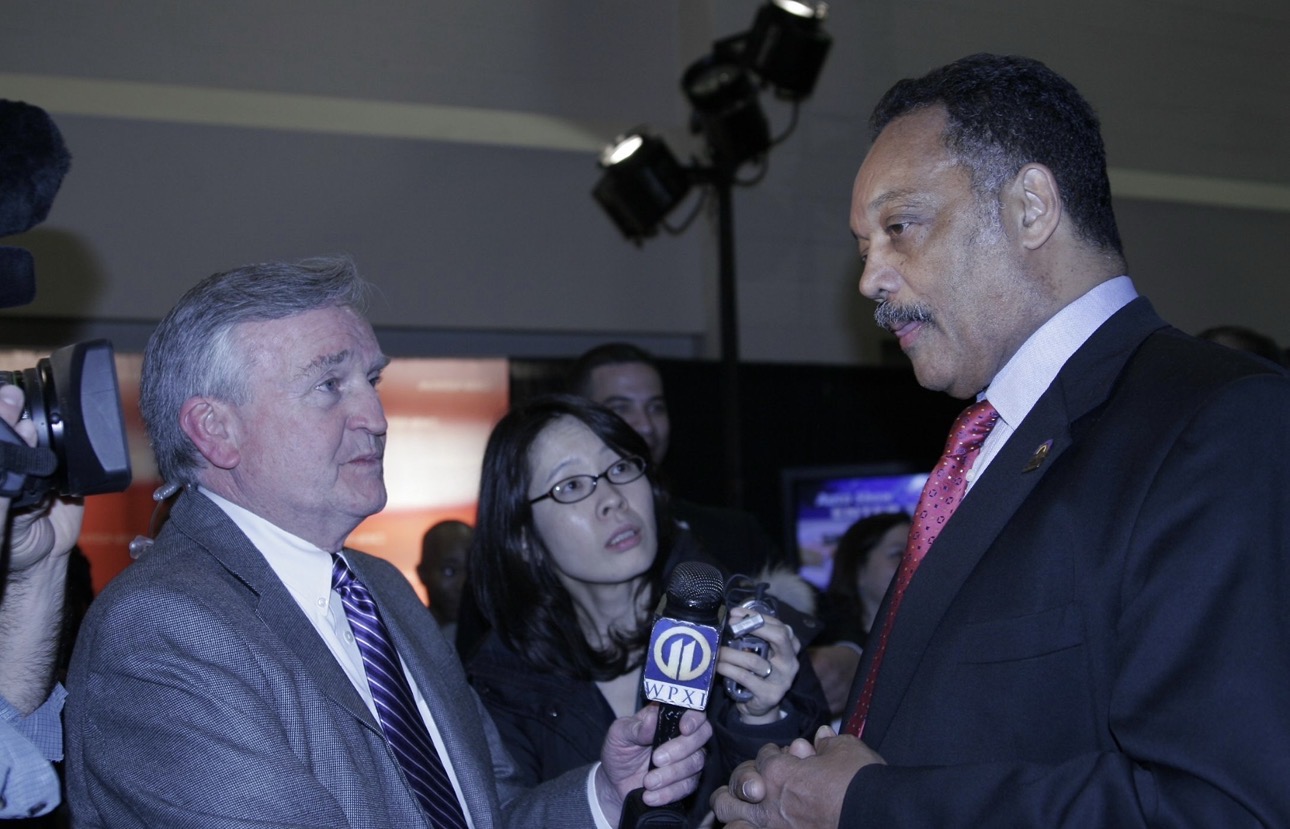
I still carry vivid memories of the moments I encountered Reverend Jesse Jackson, a man whose presence felt larger than the rooms he entered. The first time I met him was in Cleveland, not long after the debate between Senator Barack Obama and Hillary Clinton. I was there working as a photographer, navigating the charged atmosphere where politics, media, and history converged. Beside me stood my niece, Paige Smith — then a young journalist — filming with a steady focus that belied her age. Backstage, amid the swirl of campaign staff and whispered strategy, I had the distinct honor of introducing my nephew, Aaron Sabino, to Reverend Jesse Jackson, a true civil rights superhero whose legacy continues to inspire generations and the power networking conference by Dr. George Fraser. Jesse Jackson carried an unmistakable gravity. When we met, it was brief, but it was enough. It felt like standing near a current of history still in motion.

Seeing him again on the campaign trail reinforced something deeper for me. Jackson was not only a civil rights activist; he became, in my own journey, another reason to believe activism was a calling rather than an abstract ideal. He was an icon who demonstrated that moral conviction could be public, disciplined, and courageous. Years later, I would meet him again at the Congressional Black Caucus gathering in Washington, D.C., where I attended with Silver B. Richards, a local legend from Cleveland. In those spaces, Jackson’s legacy was palpable — his voice echoing through decades of struggle, coalition-building, and relentless advocacy. His leadership symbolized a bridge linking the unfinished work of the Civil Rights Movement with contemporary battles for equity and dignity.

Screenshot

Jackson’s associations underscored his place within a lineage of transformative figures. He stood alongside giants like Dr. Martin Luther King Jr., shared platforms with Al Sharpton, and worked closely with Ambassador Andrew Young. He invoked the global moral arc embodied by Nelson Mandela, reminding us that civil rights was never solely an American story, but a human one. Jackson walked — literally and symbolically — in the footsteps of those (MLK) who crossed the Edmund Pettus Bridge, where courage met brutality and where democracy itself was tested. For many, he was a leader. For me, he was a brick — another brick in the foundation shaping my understanding of ancestry, responsibility, and the African-American experience.

In 1988, I was 18 years old, witnessing history unfold as Jackson ran for president, expanding what felt politically imaginable. His campaigns were not merely electoral exercises; they were declarations of belonging. Figures like Bernie Sanders, who served as a delegate during Jackson’s presidential run, reflected the breadth of the coalition he sought to build. Jackson called it a Rainbow Coalition — a vision insisting that justice must be inclusive, that equality and equity were inseparable from progress. His words still resonate: “Keep hope alive.” And equally enduring: “You are qualified. You are able.” These were not slogans; they were affirmations aimed at those long told to doubt their worth.

It is bittersweet to reflect on his legacy in our present moment. Civil rights, which exist to protect all people — Black, white, Asian, East Asian, Latino, Indigenous — sometimes feel fragile under shifting political winds. Yet Jackson’s example reminds us that rights are never self-sustaining; they endure through vigilance, participation, and courage. I remember the emotion on his face when Barack Obama rose to the presidency — tears that captured not only personal pride, but the weight of generations who struggled to make that moment possible.

I share my photographs now in honor of Jesse Jackson during Black History Month — images not just of a man, but of a movement, a voice, a conviction. I pray for our country, and I pray that we each look inward. Jackson’s life asks something of us: to resist cynicism, to reject division, and to remember that justice must mean justice for all. The introspective, righteous voice within each of us might dare to say: I am Jesse Jackson — at my best. And at our best, perhaps we too can keep hope alive.

Brooklyn Sabino Smith: Orchestrating Unity — Adornment at the Confluence of Ancestry and Futurism

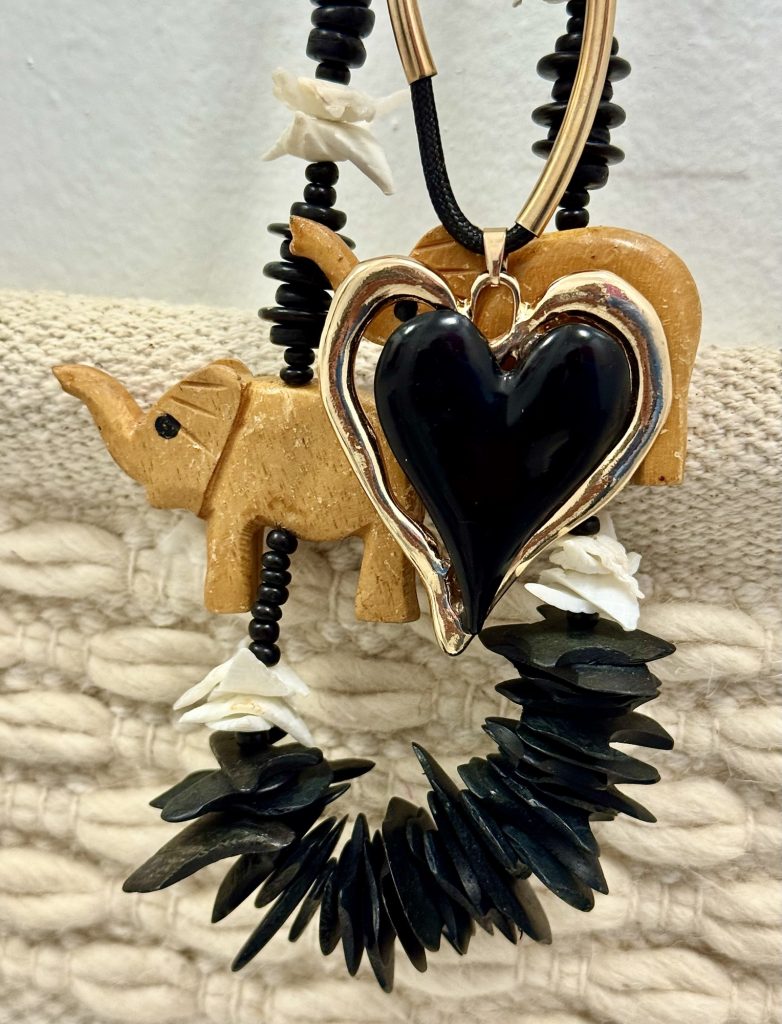
Big heart of gold 

“Brooklyn Sabino Smith” does not simply design jewelry; she composes constellations meant to be worn.

In her studio, light behaves like a collaborator. Morning arrives softly, filtered through gauze curtains, touching sheets of metal, slivers of carved wood, rods of glass, and a velvet tray where diamonds wait with patient, ancient indifference. On the central worktable lies a half-finished piece: a brooch unfurling like a flower not yet cataloged by botany, its geometry echoing Adinkra ideographs—symbols of memory, endurance, interdependence.

Smith moves with the assurance of someone who understands that ornament, at its highest register, is philosophy. Her work is Afrocentric yet unbounded, rooted yet planetary. Petals appear in brass and oxidized silver, spirals emerge from ebony and translucent glass, chromatic planes collide—cobalt against gold, crimson against smoke. Nothing is decorative for decoration’s sake. Every line is a proposition.

This season, her practice bends toward a new axis: futurism braided with ancestry. “I’m looking for the African,” she says, “and the citizen of the world.” In Smith’s lexicon, the two are not opposites but mirrors.

Pinned above her drafting desk is a handwritten note: HEXAGRAM 8 — Pi: Unity, Co-ordination. It is not there as mysticism, but as method.

Water above earth.

The ancient text speaks of assembly, of hearts drawn together, of the peril of lagging behind the current of collective movement. Smith reads it as both omen and instruction. Jewelry, after all, is an intimate architecture of relation: between maker and wearer, body and object, past and possibility.

In anticipation of the Chinese New Year, Smith begins a series she calls Flowing Bowl. The pieces shimmer with kinetic balance—necklaces that seem poured rather than constructed, earrings that hold tension like suspended droplets. Circular forms repeat with subtle variations, invoking continuity rather than closure. She incorporates red lacquered wood beside cool steel, jade-toned glass beside diamond pavé. The palette nods to celebration; the structures whisper of convergence.

The first line of the hexagram becomes a quiet manifesto in metal: Where there is confidence, unification proceeds flawlessly. There is a windfall yet to come.

Confidence, here, is not bravado but fluency. Smith trusts materials that resist her. She coaxes glass into obedience, persuades wood to honor angles, convinces metal to curve like breath. In her hands, disparate mediums negotiate rather than compete.

The second line—unification from within one’s own circle—finds expression in collaboration. Smith invites a woodworker versed in West African carving traditions, a glass artist trained in kiln-formed translucency, a metalsmith obsessed with micro-hinges invisible to the eye. The studio becomes an ecosystem. Ideas circulate. Authority dissolves into dialogue.

Unity is not sameness; it is orchestration.

But the hexagram warns, too. The third line cautions against alliances with what corrodes. Smith recalls early offers that promised visibility at the expense of integrity: shortcuts in craftsmanship, dilution of symbolism, spectacle over substance. She declined. Disaster sometimes wears the mask of opportunity.

By the fourth line, the text gestures outward—co-operation beyond the immediate circle. Smith’s work travels: exhibitions in cities where viewers trace unfamiliar symbols with reverent curiosity, collectors who speak different languages yet recognize the grammar of care embedded in her designs. Her jewelry becomes a site of meeting.

The fifth line tells of a king who loses the quarry ahead because the people were not warned. Smith reads this as a meditation on communication. Art, however refined, falters if it withholds its invitation. She begins writing more—about Adinkra meanings, about material choices, about the ethics of adornment. Context, she understands, is not explanation but hospitality.

And the top line, stark as winter:

Attempts at unity without leadership result in disaster. Leadership, in Smith’s world, is not hierarchy but coherence. The artist must hold the center—not to dominate, but to align. Without that gravitational force, even brilliance scatters.

On New Year’s night, beneath lanterns and the percussive joy of celebration, Smith wears one of her own creations: a pendant where a diamond rests at the nexus of intersecting planes, metal and wood meeting like continents. It catches light, then releases it, as if demonstrating the simplest and most elusive truth:

Beauty is what happens when elements agree to belong to one another.

In Brooklyn Smith’s hands, unity is neither slogan nor symbol alone. It is structure, discipline, destiny—water lying upon the land, co-ordination made visible, a future assembled from fragments that were never truly separate.

@BrooklynSabinoSmith, #BrooklynSabinoSmith, Artist, Jeweler, #JewelryMaker, @JewelryDesigner,

The Architecture of Allure: Posing and Professionalism

2162567018 Correct Number

Call 2162567018

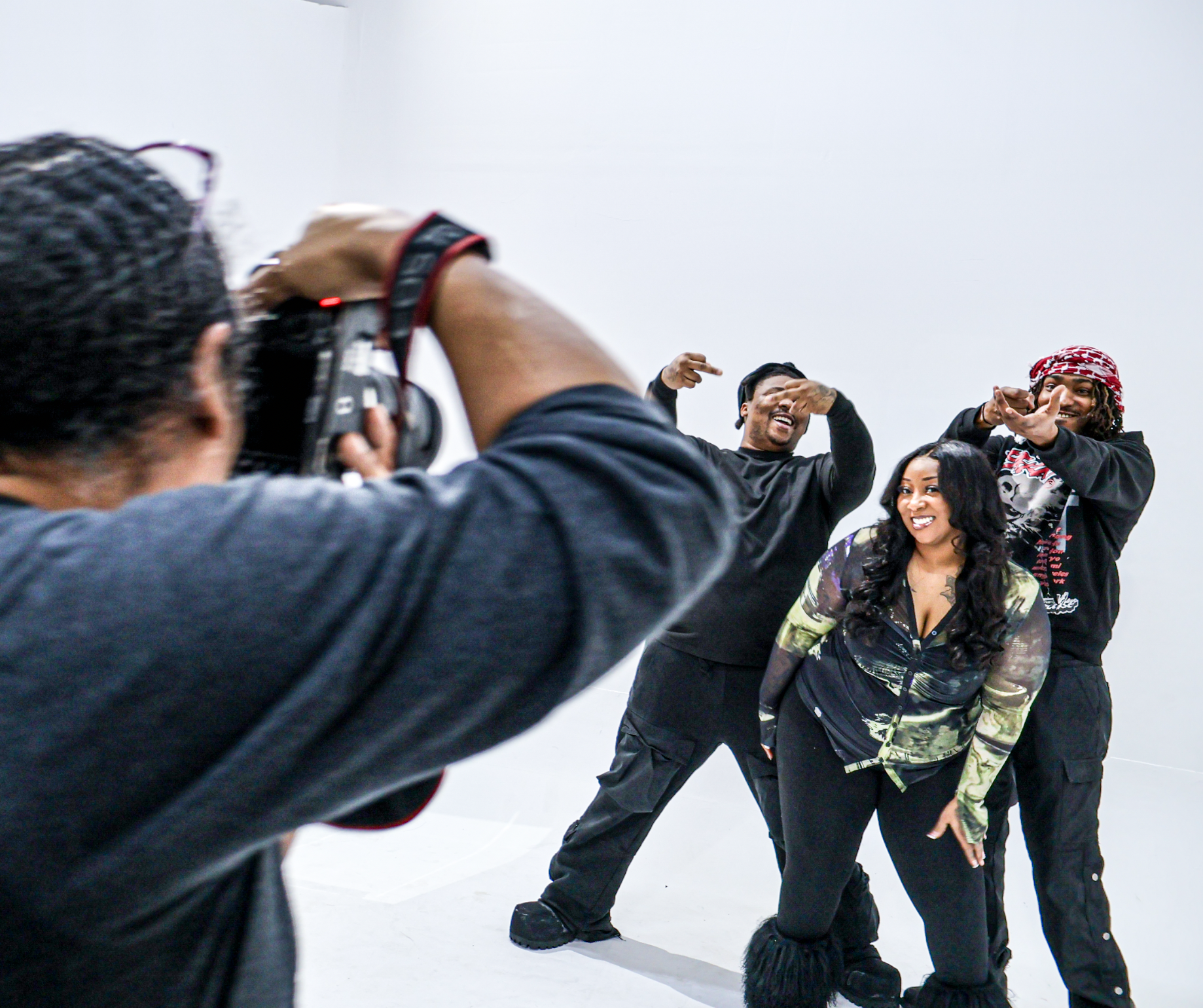
On set withGS3 Photography, the atmosphere is one of intense, focused creativity. Sabino approaches a shoot not as a mere documentation of a model wearing lingerie, but as an architectural study of the human silhouette. His direction is meticulous; he understands that a successful boudoir or fashion image relies on the subtle geometry of the body. He guides models to create “angles and arching,” shifting weight to one hip to create that coveted S-curve, or lifting arms to arrange hair—a pose that transforms a simple action into an elegant revelation of the belly, hips, and back. “Dramatic lines combined with vibrant colors make a strong contrast that brings richness into my artwork,” Sabino explains, referencing his fine arts background. Photos online

This artistic rigor is matched by a profound commitment to professionalism, particularly in the nuanced realm of posing. Sabino has cultivated a reputation for creating a “pleasant and respectful environment” where communication is paramount. This expertise extends to working with models on the autism spectrum, where the traditional chaos of a photoshoot is replaced with structured, clear direction. By breaking down poses into simple, understandable instructions—focusing on the position of a hand, the turn of a chin, the creation of “negative space” between an arm and the torso—Sabino empowers his subjects. He replaces anxiety with intention, allowing their natural grace to emerge without the pressure of improvisation. This patient, instructional methodology echoes his years as an educator at institutions like the Ursuline College, Virginia Marty School of Fashion and Cuyahoga Community College for photography, proving that the best photographers are also the best communicators.

THE ART OF THE POSE: How Natasha & TeAna Create Magic in Front of the Lens

In the world of professional photography, the camera does not create beauty—it merely records it. The true artists are the ones standing in front of the lens. In this video, we celebrate the extraordinary talent of models Natasha Logsdon and TeAna, two women who transform a simple photoshoot into a gallery of living art.

Watch as we dive deep into the mechanics of modeling, exploring how Natasha and TeAna use their bodies, expressions, and energy to craft stunning, professional photographs. From the glitz of Las Vegas poolside to the intimacy of a hotel suite, they prove that true beauty lies in the details.

The Alchemy of a Simple Gesture

There is a common misconception that modeling is simply “looking pretty.” In reality, it is a highly skilled form of non-verbal communication. Natasha and TeAna demonstrate that beauty is often found in the smallest, most subtle movements.

· The Whisper of a Hand: Watch how Natasha allows her fingers to relax gently against the fabric of a swimsuit. It isn’t just a hand; it is a narrative element that suggests elegance and ease. A tensed hand would scream anxiety, but a soft hand whispers luxury.
· The Weight of a Gaze: TeAna understands that the eyes are the windows to the soul of a photograph. In one frame, her gaze is fierce and editorial, piercing through the lens. In the next, she softens her eyelids slightly, creating a dreamy, romantic atmosphere. This split-second adjustment changes the entire mood of the shot.
· The Architecture of the Body: A slight tilt of the chin can elongate the neck into a swan-like curve. A shift of weight onto the back foot creates a natural, candid “S-curve” in the silhouette. We analyze how Natasha uses her angles to play with the light, creating shadows that sculpt her features. Photos online

The Joy of Collaboration

Great photographs are rarely taken in a vacuum. They are built by a team. In this video, you will witness the beautiful synergy between Natasha and TeAna. They aren’t just posing individually; they are actively assisting each other to ensure the final product is perfect.

Between takes, you will see them adjusting a stray hair on the other’s shoulder, offering a pep talk before a difficult pose, and stepping in to tug a wrinkle out of a dress. They help each other with styling transitions—zipping up zippers and suggesting which accessories look best with the casual wear. This isn’t just professionalism; it is a sisterhood of artistry. They know that when one of them looks good, the entire production looks good.

Join us as we celebrate the dedication, the emotion, and the technical prowess of Natasha Logsdon and TeAna. They remind us that a photograph isn’t just a picture; it is a feeling, captured in a fraction of a second.

From the Strip to the Seine: A Global Vision

While Las Vegas provides a stage of dazzling lights and bold aesthetics, Georgio Sabino’s lens is truly global. His passport tells the story of an artist in constant pursuit of new frontiers. He has traversed the United States, bringing his signature style to both coasts, and has planted his flag on the international streets of fashion. His work has graced the romantic roads of Paris, France, where the very air seems saturated with artistic history, and has captured the raw, untamed beauty of Tanzania, proving his versatility across vastly different cultures and landscapes. This international experience culminates in a deep understanding of what it takes to create an image worthy of the world’s most prestigious publications.

The Holy Trinity of Fashion: Vogue, Elle, and Beyond

For a photographer of Sabino’s caliber, the ultimate canvas is the magazine cover. His body of work, which has already been featured in publications like Ebony and Essence, is primed for the highest echelons of fashion media. When aiming for global domination, Sabino sets his sights on the titans of the industry:

In the United States, the pinnacle remains Vogue. As the arbiter of American fashion since 1892, landing a cover or editorial spread in Vogue is the undisputed marker of having arrived. Alongside it, Elle USA stands as a powerful platform, a staple read for fashion professionals that celebrates both high fashion and accessible style.

Sabino is working towards crossing the Atlantic, the European standards are equally exacting. British Vogue, the first international edition launched in 1916, offers a platform known for its eclectic mix of high culture and street style. In the heart of European chic, Vogue Paris (or Vogue France) represents the zenith of sophisticated, sometimes avant-garde, fashion photography. Meanwhile, the subcontinent beckons with Vogue India, a publication that masterfully weaves traditional Indian aesthetics with contemporary global fashion narratives. Sabino’s ability to photograph “national and international” subjects with equal authenticity makes him the ideal candidate to tell stories for these diverse audiences. Photos online

The Creative Collective

No vision of this magnitude is realized alone. Behind the lens, a trusted team ensures that every detail, from the drape of silk to the catchlight in a model’s eye, is perfect. Elmer Turner, Sabino’s dedicated assistant, is the steady hand that anticipates needs and maintains the technical precision required for a high-stakes editorial shoot. Meanwhile, the creative energy is often sparked in moments of connection, such as when Georgio visited with colleague Juleick Smith when this photo shoot occurred. These collaborations and conversations are the lifeblood of GS3 Innovations, fueling the next wave of concepts destined for the page and the screen.

As GS3 Photography looks toward the future, the mission remains clear: to capture the “celestial moment,” to immortalize the intersection of confidence and vulnerability, and to prove that whether in a Las Vegas studio or a Parisian courtyard, the art of fashion is the art of humanity. Are you ready? Photos online

Model Natasha Logsdon and TeAna

Call 2162567018 and schedule

Youtube

#GS3Photography #GeorgioSabino #FashionPhotography #LasVegasPhotographer #LosAngelesPhotographer #BoudoirPhotography #EditorialShoot #Vogue #ELLE #ParisFashion #Tanzania #ModelPortfolio #FashionFilm #BehindTheLens #LingeriePhotography #Fashion #MagazineCover #ArtOfThePose Photos online

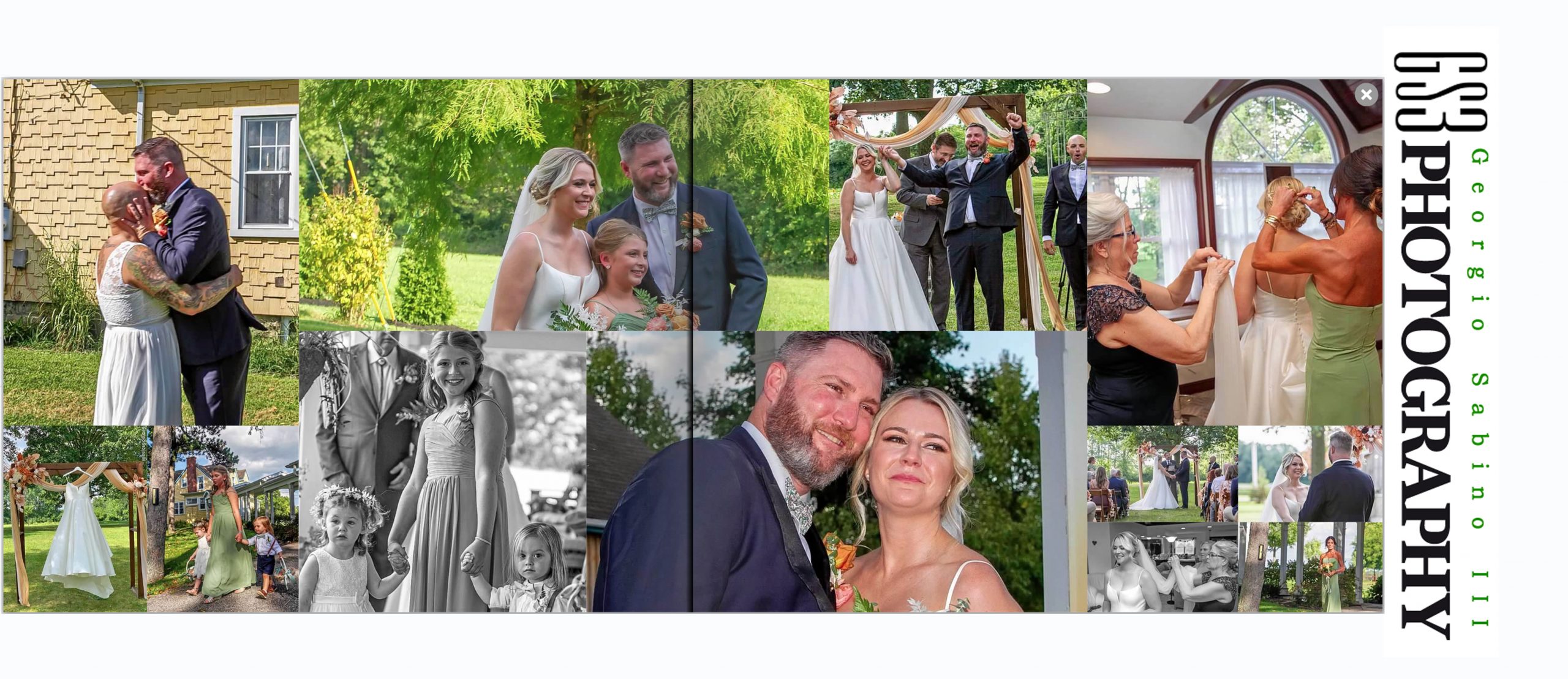
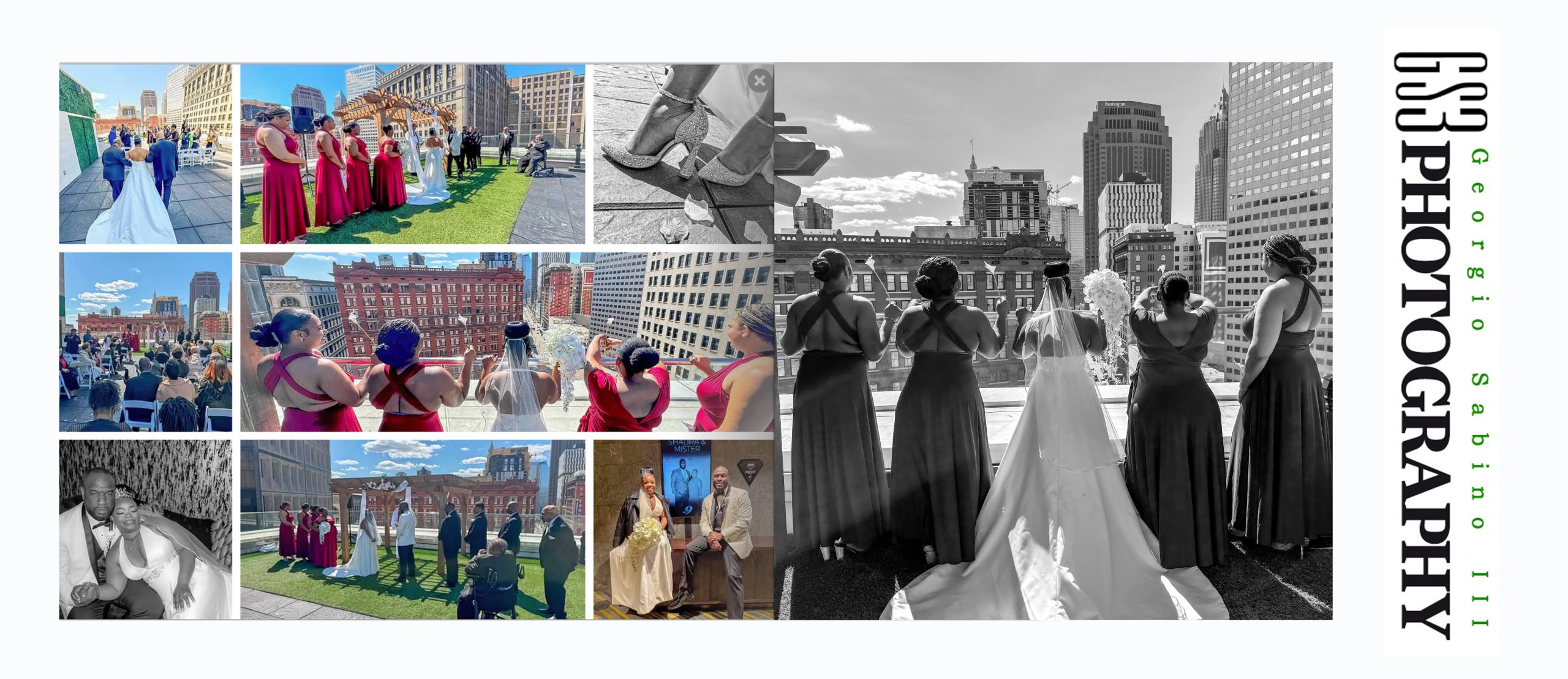
Amazing Weddings Across the Country ask GS3 Photography

GS3 Photography

Close your eyes for a moment and picture the day you’ve always imagined — the quiet breath before you walk down the aisle, the way your hands find each other during the vows, the laughter that spills out when you realize this is really happening. That’s where GS3 Photography lives — in those real, unscripted, once-in-a-lifetime moments.

I’m Georgio Sabino III, and over the course of photographing more than 359 weddings across the country, I’ve had the honor of documenting love stories from every culture, tradition, and walk of life. From grand ballroom celebrations to intimate ceremonies, I don’t just take photos — I preserve history. Your history. The emotion, the energy, the enthusiasm, the excitement — all captured with intention and heart.

Call to schedule 2162567018

My background in fashion and fine art shapes the way I see your wedding day. I look for elegance in movement, beauty in light, and style in every detail — the gown, the suit, the décor, the way your families embrace. This artistic perspective allows me to create images that feel both timeless and editorial, emotional yet refined.

GS3 is more than one photographer — we are a creative team. From cinematic video coverage to breathtaking drone perspectives and a dedicated second shooter, we offer thoughtfully designed packages to ensure no moment is missed. While one lens focuses on the grand story, another captures the quiet tears, the proud smiles, the subtle glances that mean everything.

Your wedding day will pass in a beautiful blur — but your images should bring you right back to the feeling, every single time. That’s our promise.

View our work and imagine your story here:

Flickr

Pixieset

GS3 Photography

Artistic Jungle: Layered Realities by Artist Georgio Sabino III

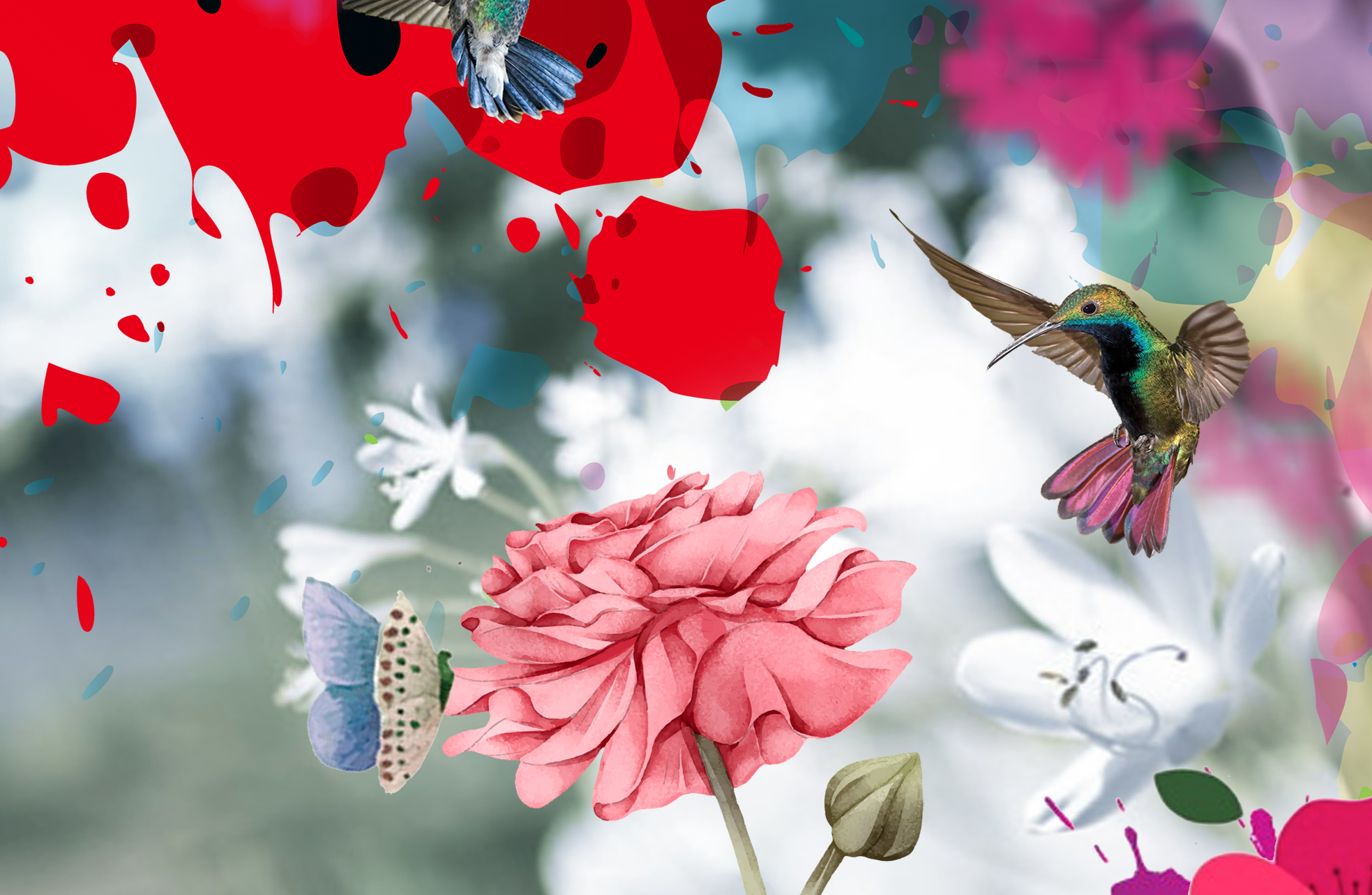
Artistic Jungle "Birds Butterflies II" by Georgio Sabino III

Georgio Sabino III’s Artistic Jungle is an exploration of how the physical world and digital reality intertwine through layered experiences of sight, memory, and rhythm. This evolving body of work moves through overlapping planes of nature, identity, and technology, where lush ecosystems coexist with coded light and augmented vision. Each artwork is built in layers: atmospheric backgrounds suggest misty forests or cosmic skies, while detailed flora, fauna, and human figures form a second layer of living presence, symbolizing growth, migration, and spiritual connection. Over these, Sabino adds bold digital patterns, paint-like gestures, and repeating motifs that create additional layers of data, emotion, and cultural memory. These strata reveal how stories, histories, and futures rest on top of one another rather than replacing what came before. The series embraces an Afro‑futuristic lens, in which Black identities, ancestral wisdom, and speculative technologies fuse into new visual worlds. In the Artistic Jungle, every layer—organic, synthetic, emotional, and virtual—contributes to a polyrhythmic design, inviting viewers to look through the surface, feel the depth beneath, and imagine how art might evolve as our realities become ever more layered.

About the Biographical Artist CV:

Georgio Sabino III is a multi-disciplinary visual artist, photographer, designer, and tech innovator whose work fuses fine art, fashion, and emerging technologies into immersive visual experiences.

Professional Profile

  • Chief visionary and strategist for GS3, leading a collaborative studio that merges the visual arts, design, and technology, including app development and augmented reality experiences for galleries, public art, and brand clients.
  • Recognized for polyrhythmic visual narratives—layered photographic and graphic compositions that emphasize symmetry, balance, and saturated color while inviting viewers to explore their own identities through extended reality environments.
  • Widely sought as a creative director and educator, bridging professional arts, business, and community sectors through strategic partnerships, workshops, and mentorship initiatives that cultivate new talent and culturally responsive visual storytelling.

Artistic Vision

  • Develops series in photography, mixed media, and digital compositing that integrate augmented reality triggers, enabling audiences to activate moving images, sound, and data overlays on physical artworks.
  • Pursues a design language grounded in strong linear structure, vibrant chromatic contrast, and precise spatial rhythm, producing a sense of completeness while pushing viewers toward experimental, technology-enabled engagement with the work.
  • Articulates a clear conceptual framework around “polyrhythmic identities,” using portraiture, fashion, and urban landscape imagery to interrogate how culture, memory, and technology intersect in contemporary life.

Leadership in Art, Technology, and Community

  • Founder and CEO of GoVia: Highlight A Hero, a community–police safety platform that leverages real-time communication, documentation, and support tools to promote safer, more transparent encounters.​
  • Leads cross-sector collaborations with civic agencies, foundations, and incubators to position GoVia as a model for community-centered public safety innovation, earning support from organizations such as MIT Solve and regional entrepreneurial programs.
  • Provides strategic creative leadership for GS3 initiatives that connect business leaders, students, and communities, emphasizing mental and physical well-being, cultural sensitivity, and data-informed understanding of audience behavior and learning styles.

Selected Professional Highlights

  • Serves as director at Hector Vega Art & Design Studio, contributing to major public art commissions including civic murals and utility-box projects across Cleveland and Akron.
  • Twice invited as an official photographer at the White House for presidential celebrations of national championship teams, strengthening his reputation in high-profile event, sports, and performance photography.
  • Exhibited and featured in regional and national venues and media platforms, including museum and gallery shows, arts fellowships, and coverage in print, broadcast, and digital outlets that spotlight his hybrid practice in art, fashion, and photography.

Teaching, Mentoring, and Professional Service

  • Designs and delivers visual arts curricula, workshops, and artist talks for schools, colleges, and community arts organizations, with a focus on technology-enhanced practice and career-path development in creative industries.
  • Actively mentors emerging artists and creative entrepreneurs, drawing on extensive studio, commercial, and startup experience to guide portfolio development, branding, and market engagement.
  • Serves in professional and civic capacities as an art juror, advisor, and association member, contributing expertise to regional arts education networks and professional photography organizations.